Commercial Roof Repair, Replacement & Maintenance
Carlisle SynTec Commercial Roofing Systems in Everett, WA
A Carlisle label on a closeout file does not tell you which membrane, attachment method, or accessory is on the roof today. Carlisle SynTec lists Sure-Seal EPDM, Sure-Weld TPO, Sure-Flex PVC, and FleeceBACK membranes, with insulation, adhesives, and other assembly components. We inspect the roof itself, identify the system where possible, and compare repair or replacement options with the building's conditions. If the property has several roof sections, we map the membrane and installation method by zone so an EPDM addition is not treated as a TPO field. Keep sample cuts, repair records, and later equipment penetrations attached to the correct section. This avoids ordering a system-wide repair package when only one roof segment has the condition being addressed. Everett's Port and BNSF Delta rail yard support maritime and logistics activity, while Paine Field has aviation and maintenance uses. That variety makes access and equipment interfaces part of the review. A roof inspection establishes the field condition before a membrane system comparison.
Review EPDM seams, flashings, and attachment
Sure-Seal EPDM is a Carlisle system family for low-slope roofing. EPDM sheets are thermoset rubber, so field seams rely on compatible adhesives or seam tapes rather than heat welding. The inspection checks lap edges, T-joints, terminations, uncured flashing, and prior patches. Dirt, old adhesive, movement, and water exposure can affect a repair. Identify whether the sheet is reinforced, fleece-backed, or a different configuration before selecting materials.
Large sheets can reduce field seams, but the perimeter and penetrations still require detailed workmanship. An adhered, ballasted, or mechanically attached assembly changes how loads are transferred and where a repair opens. We verify the existing attachment and look for signs of movement or wet insulation before proposing a new detail. A seam failure review can distinguish an open lap from a curb or wall issue; drain inspection checks another common transition.
Check TPO welds and the surface condition
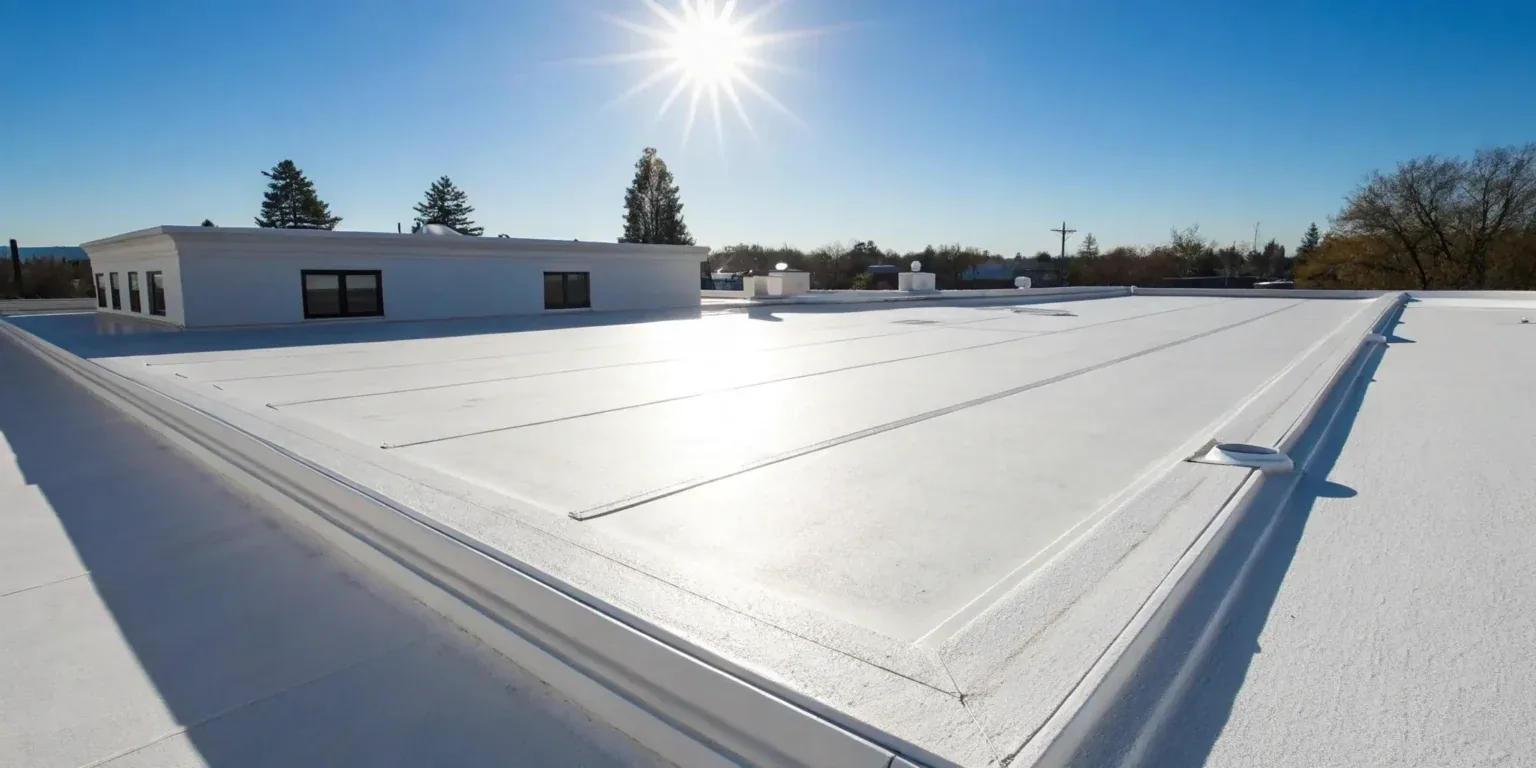
Sure-Weld TPO is a heat-weldable thermoplastic membrane with a reinforced construction described in Carlisle product materials. The seam is formed by heating and consolidating the overlapping sheets, so surface cleanliness, temperature, speed, and pressure matter. We inspect weld edges and corners, then use an appropriate probe or test method to locate a discontinuity. A patch should extend to sound material and follow the system's current detail, rather than rely on a bead over an unprepared lap. Before starting a repair, locate the seam ends and inspect adjacent flashing so the scope does not leave an open path at a termination. Remove loose tape and incompatible sealant only as needed to reach a stable surface. Then document the substrate condition and the material used, since a later technician needs to know whether the detail was repaired with a tape, adhesive, or a compatible membrane patch.
White membrane can be reflective, but color alone does not establish energy performance or suitability. Insulation, air leakage, HVAC operation, building use, and the roof's existing condition all affect results. Wet-season conditions around Everett make daily dry-in planning important when a roof section is open. Confirm the deck is ready for each product step before the crew closes that area. A TPO roof review can assess seams and assembly layers; a puncture inspection can determine whether damage reaches the insulation.
Understand what a fleece-backed system changes
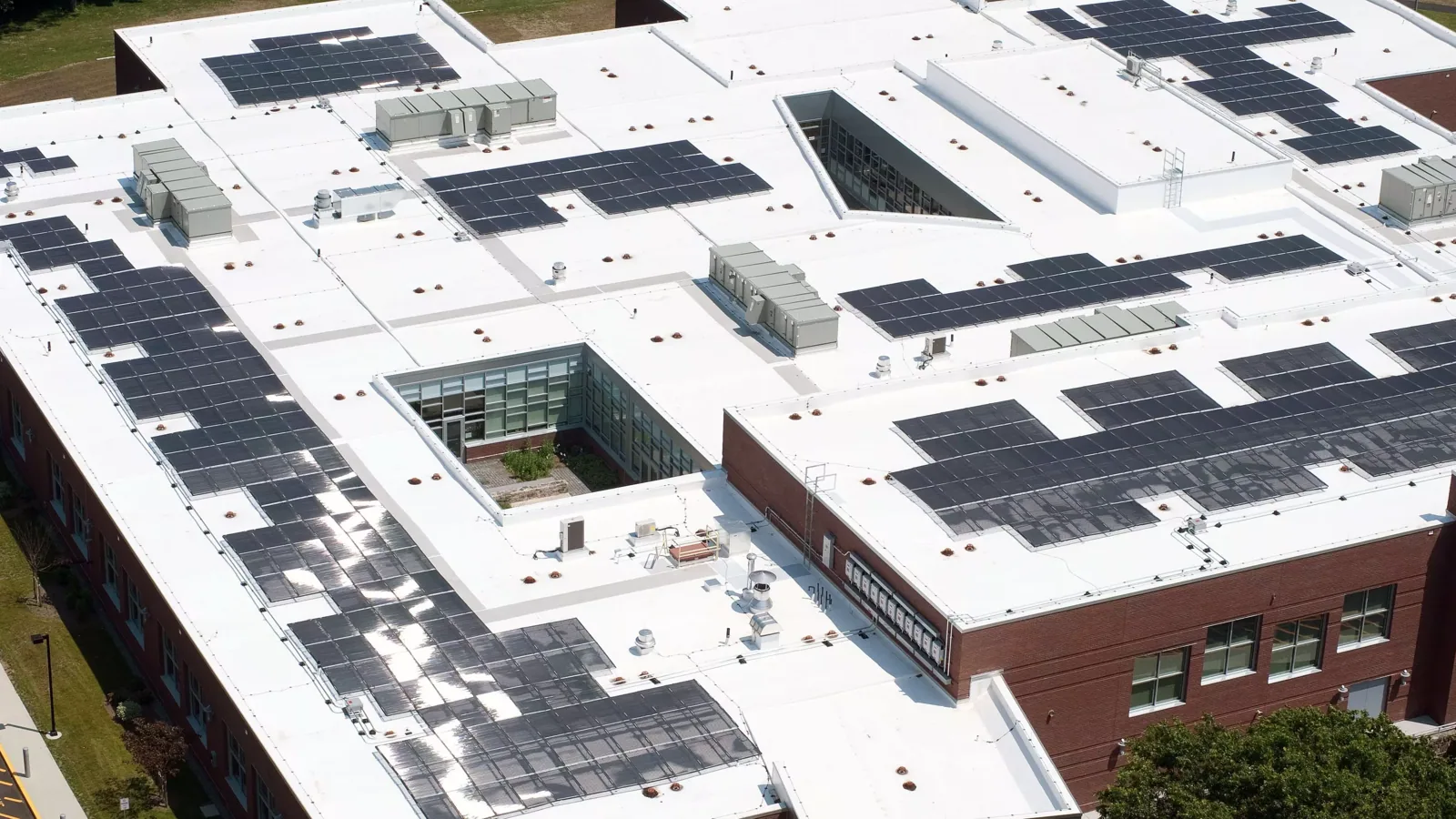
FleeceBACK membranes add a fabric backing that can be adhered to an approved substrate or used within a specified assembly. That affects substrate preparation, adhesive use, cover-board compatibility, and how the membrane conforms to the roof. It does not remove the need to check drainage, fasteners, edges, and penetrations. If an older roof is proposed for recover, confirm moisture and structural conditions before choosing a fleece-backed package.
A recover may reduce demolition, yet concealed wet insulation or incompatible layers can make it unsuitable. We identify test areas and disclose assumptions in the estimate. Carlisle publishes assembly specifications and details for its products; the project designer and installer should use the current documents for the selected system. A replacement assessment can compare removal and recover work; capital review can weigh the timing and operating impact.
Plan roof work around Everett operations
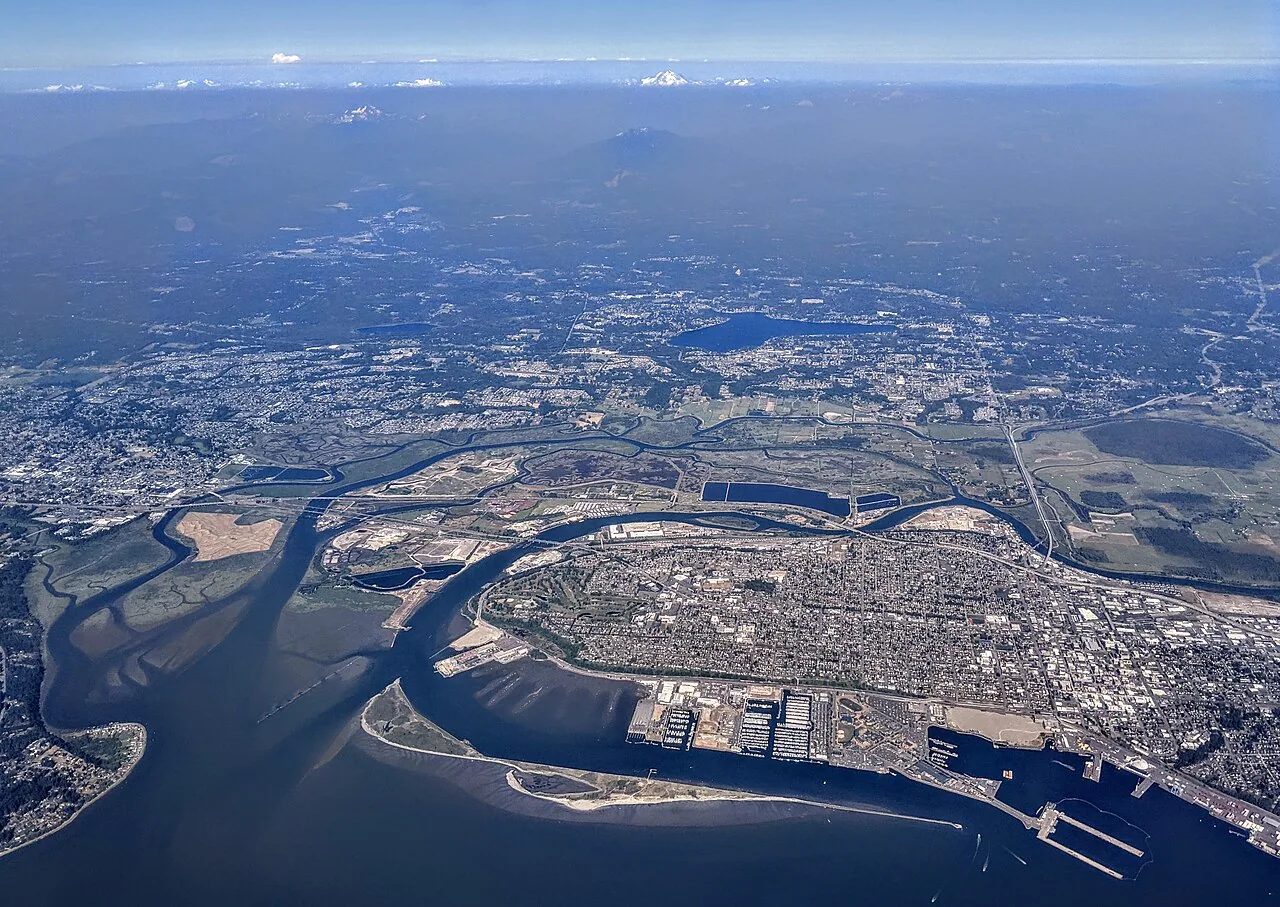
Everett Industrial Waterfront includes maritime and industrial buildings; the Paine Field area includes hangars, maintenance operations, and airport support facilities. These regional uses can make freight staging, escort rules, crane access, and work windows important, but the owner defines restrictions at the actual site. Before mobilization, confirm roof access, material delivery, equipment shutdown, loading routes, and the daily closure point.
In an occupied building, separate the roof work zone from public or tenant circulation below. If a roof opening changes scope after tear-off, pause at the agreed watertight boundary and document the exposed condition. An occupied-building sequence can set phases and handoffs. A property near Everett Industrial Waterfront still needs a property-specific access plan, not assumptions drawn from the district's industrial character.
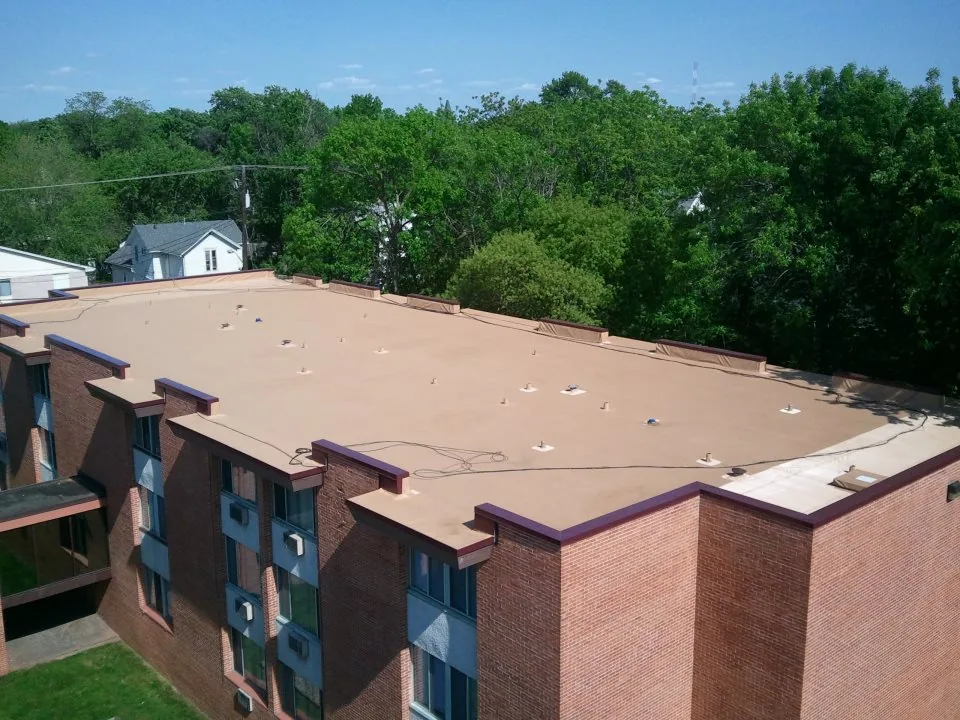
Use current product documents for the selected assembly
Membrane name, insulation, attachment, cover board, edge details, and installation quality all matter to a complete roofing system. Carlisle offers product-specific specifications and warranty documents; terms vary with assembly, installation requirements, inspections, and other conditions. Do not assume a coverage period from the membrane brand alone. Confirm current requirements for the exact system and retain approved submittals and closeout records.
For a service call, describe what is leaking, when it was discovered, any recent penetration or rooftop work, and what prior repairs were used. Warranty management can keep the document and maintenance history together. A Holcim Elevate comparison or Versico system option may be reviewed against the same roof conditions, but manufacturer suitability and warranty requirements remain product-specific.
Keep the roof history tied to the material installed
Closeout should identify the membrane, attachment, insulation and cover board, flashing details, photographs, tests, and approved field changes. If different system families meet at an addition, label the transition. Future maintenance staff should know whether a seam is taped, adhered, or welded before ordering material. If a test was not performed or an area was inaccessible, note that limitation. Include any roof areas that remain under a temporary closure and list who will schedule the permanent work. If the manufacturer or designer reviewed a field question, attach the dated response to the assembly record so later service work can follow the same detail.
Before an Everett inspection, provide the roof plan, installation records, warranty papers, leak dates, equipment work, and access rules. We will identify the assembly, trace reported water, and document the repair boundary. Near Metro Everett, the Port, or Paine Field, logistics can influence when supplies reach a site, but the actual roof and approved detail set the technical scope. A clear record lets the owner compare Carlisle options without assuming they match the system already in place.
Commercial Roofing Questions
How can I tell which Carlisle membrane is installed?
Check closeout records and product markings, then verify the visible assembly during inspection. A prior invoice alone may not identify every roof section.
Can EPDM seams be repaired with a heat weld?
EPDM uses compatible tapes or adhesives for field seams. Confirm the membrane and repair material before preparing the lap.
Does a fleece-backed membrane make recover work automatic?
No. Moisture, deck, attachment, and compatibility still need review before the assembly is selected.
Can a reflective TPO roof ensure lower energy use?
No single membrane determines building energy use. Insulation, HVAC, air leakage, and operating conditions also matter.
Which documents should remain after a Carlisle installation?
Keep the current system specification, approved submittals, installation and inspection records, test logs, photos, and warranty documents.
Questions Owners Ask
How can I tell which Carlisle membrane is installed?
Check closeout records and product markings, then verify the visible assembly during inspection. A prior invoice alone may not identify every roof section.
Can EPDM seams be repaired with a heat weld?
EPDM uses compatible tapes or adhesives for field seams. Confirm the membrane and repair material before preparing the lap.
Does a fleece-backed membrane make recover work automatic?
No. Moisture, deck, attachment, and compatibility still need review before the assembly is selected.
Can a reflective TPO roof ensure lower energy use?
No single membrane determines building energy use. Insulation, HVAC, air leakage, and operating conditions also matter.
Which documents should remain after a Carlisle installation?
Keep the current system specification, approved submittals, installation and inspection records, test logs, photos, and warranty documents.
Match Carlisle system options to the verified roof
Schedule an Everett roof inspection. We will identify the installed assembly, document transitions, and compare repair or replacement details with the building conditions.
Related Roofing Work
- Commercial Roof Inspection
- EPDM Roofing
- Commercial Roof Seam Failure Repair
- Commercial Roof Capital Planning
- Occupied Building Reroofing
- Everett Industrial Waterfront
- Commercial Roof Warranty Management
- Commercial Roof Systems from Holcim
Browse every page in Roofing Manufacturers, or request a roof assessment and we will walk the roof with you.
Questions about this roof? Call 555-555-5555.