Commercial Roof Repair, Replacement & Maintenance
Duro-Last Commercial Roofing in Everett, WA
Duro-Last is known for custom-fabricated PVC roofing, but a product name on a file does not tell us how a particular roof is performing. Confirm the membrane and installation details in the field before assigning a leak or planning a recover. Review seam layout, penetrations, edge conditions, attachment, drains, and previous repairs against available closeout records. Everett has substantial aerospace, maritime, manufacturing, and logistics activity, including the Port, Paine Field, and the BNSF Delta rail yard. A commercial roof inspection can establish the condition, then a PVC system review or repair scope can be based on observed evidence.
Use fabrication records as a map, then verify the roof
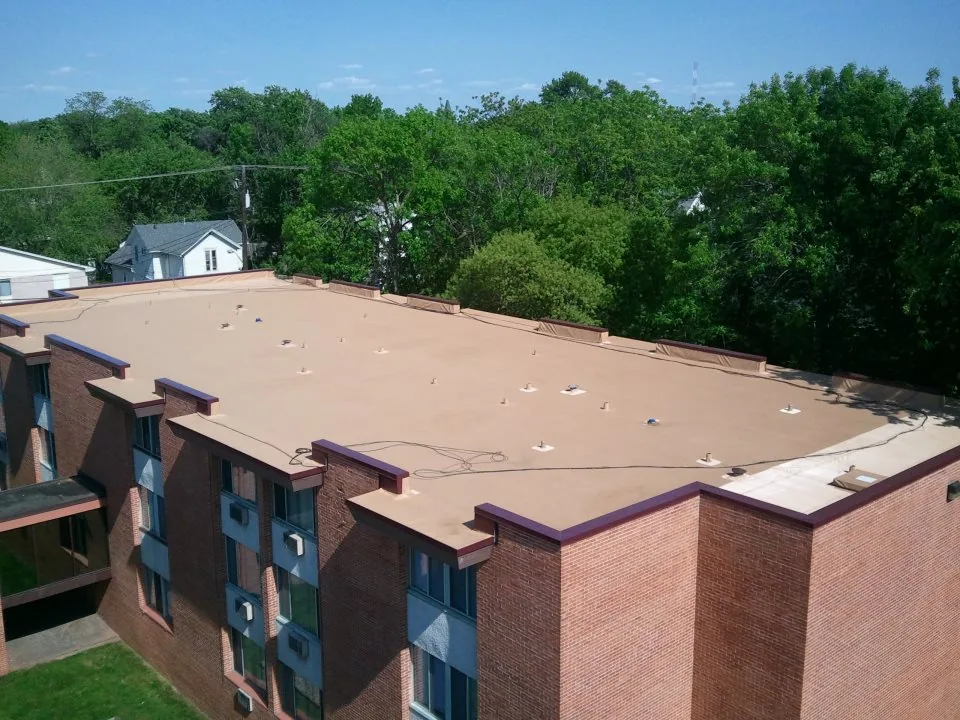
Duro-Last custom-fabricates membrane sheets and many details to fit project measurements. That can reduce field seams in some layouts, but it does not remove the need to inspect welded joints, flashing, penetrations, perimeters, and later modifications. Obtain the original shop drawings or layout when available. Compare field conditions with sheet labels, seam placement, and penetration details. Record areas where equipment or tenant work has changed the roof since installation.
Factory fabrication is useful context, not proof that every edge or weld remains intact. Inspect the installed roof and document any mismatch between the plan and current conditions. If a leak is reported near a rooftop unit, check the unit curb, conduit, condensate, adjacent seams, and drainage before naming the membrane as the cause. A detailed condition report can preserve the drawing reference, test location, and observation so a future visit can return to the same area.
Check PVC seams, patches, and penetrations
Duro-Last PVC seams are heat welded. Probe representative laps, corners, T-joints, flashing terminations, and repair patches, then mark exactly which portions were checked. A small opening can admit water while surrounding seams remain secure; map the defect rather than generalizing across the roof. Look for contamination, surface wear, movement, incompatible sealants, or a patch that has released at the perimeter. Any repair must use compatible materials and correct preparation for the existing membrane.
Penetrations often change over a roof's service life. New supports, equipment stands, cable pathways, and conduit may interrupt factory-fabricated sections. Note which additions have separate flashing and whether their attachment cuts or compresses the existing system. Verify the water path below before concluding that a roof opening is responsible for interior damage. A leak investigation should state what was tested, what remains uncertain, and any access limitations.
Inspect the perimeter and metal transitions
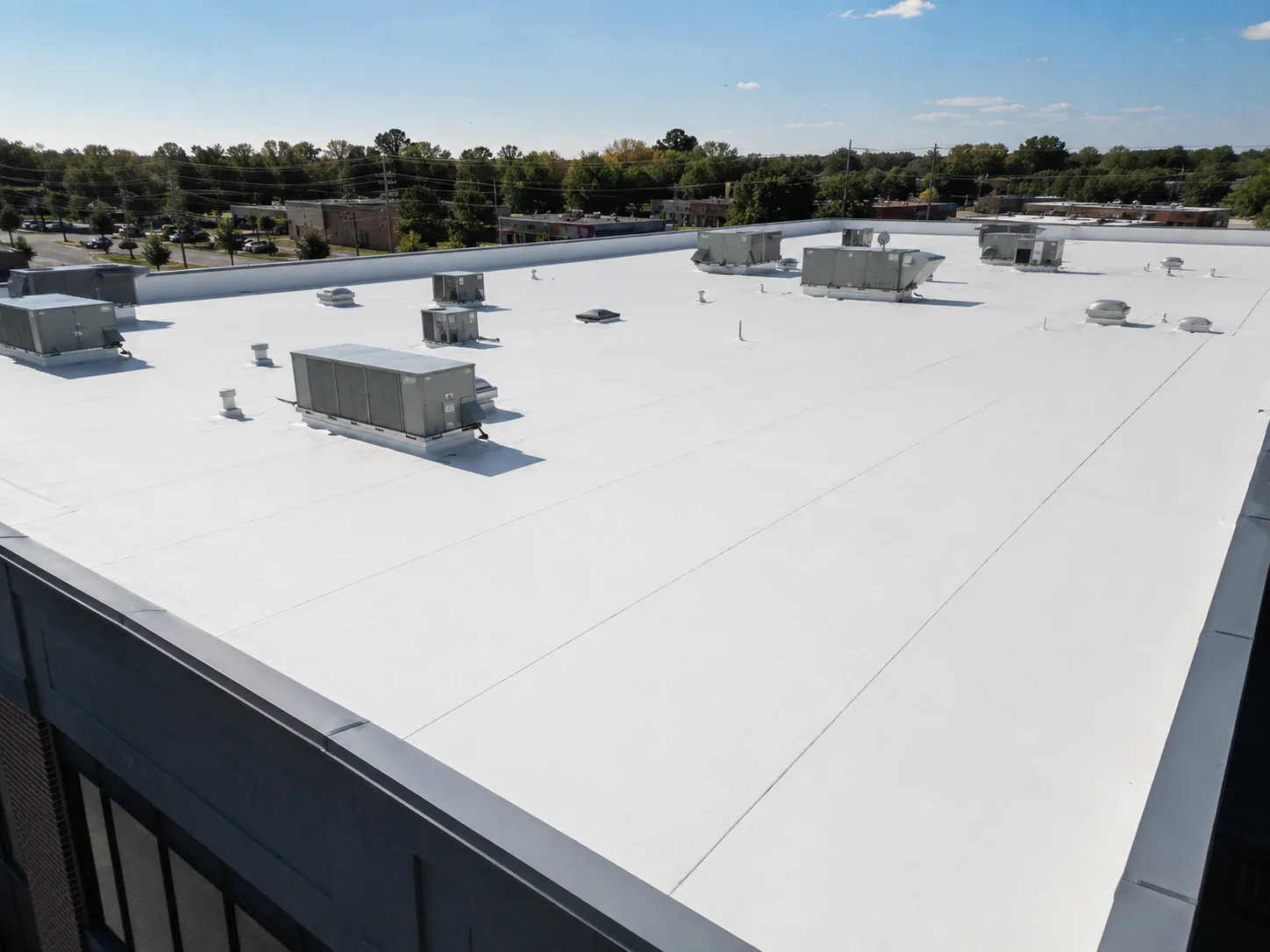
At parapets, gutters, and roof edges, inspect termination bars, metal cleats, fasteners, corners, and the transition between membrane and wall. A field membrane can be sound while a perimeter detail has loosened. Conversely, movement in an edge component may be unrelated to an interior leak. Photograph the condition from safe access and identify the run or corner on a plan. If water has entered behind metal, determine whether the repair requires membrane work, metal work, or both.
Everett's industrial buildings may have long perimeters, rooftop equipment, and operating areas that constrain access. At Port properties, loading and cargo movement may affect staging; Paine Field sites can involve controlled access and active aviation support. Coordinate a safe work route with the facilities contact before assigning labor. Keep the access plan separate from the technical finding so the owner can see what inspection was completed and what area remains to be reached.
Inspect outlets and water paths independently
Review roof drains, scuppers, sumps, overflow routes, and discharge points even if the call is about a seam. Clear access for inspection, then note the condition of strainers, clamping rings, flashing, and surrounding membrane. Identify debris or obstructions and document whether water is present. If a low area is suspected, use roof geometry, repeat observations, or a moisture survey to establish its extent. Do not infer persistent ponding from a single post-storm visit.
Everett's climate brings about 40 inches of precipitation in a typical year, concentrated more heavily in late fall and winter. This supports seasonal outlet checks and a plan for wet-weather calls; it does not establish the condition of one roof. Pair confirmed drain concerns with maintenance planning and correct membrane issues separately. On a busy warehouse near the Metro Everett area, coordinate drain cleaning and roof work around shift change, delivery windows, and safe pedestrian routes. Record any discharge issue that could affect a wall or entrance below.
Define a repair that can be inspected later
Specify the repair location, defect boundary, preparation, membrane and flashing materials, and the method used to verify the finished work. Photograph the area before work, during preparation, and at completion. If wet insulation, damaged cover board, or deck deterioration is suspected, state how it will be tested and how additional removal will be authorized. A surface patch is not a substitute for correcting a compromised substrate.
Separate emergency protection from permanent work. A temporary patch or cover should be identified as provisional, with its limits and a return date stated. Note weather and substrate conditions that could affect welding or adhesion. Everett's rain cycle can create short dry windows; plan protection for any opened section and verify that the building can be secured at shift end. If another contractor will modify equipment or piping, coordinate the sequencing and require compatible flashing details before the roofing crew closes the work area.
Compare proposals by assembly and risk
When considering a reroof, compare the membrane proposal together with insulation, cover board, attachment, edge metal, drains, penetrations, tear-off, disposal, and safety provisions. Duro-Last's custom-fabricated approach may suit a roof with predictable geometry and documented penetrations, but the project still needs a substrate review and a system design for building conditions. Ask each bidder to describe the same scope and identify exclusions that could change cost.
Washington building and energy requirements apply to project design and permit review. Confirm the current code path for the particular building and scope. A phased reroof should show where temporary ties will be placed and how water is kept out between phases. For an owner with multiple properties around Metro Everett and Marysville, prioritize by observed condition, leak history, operational consequence, and repairability. A capital plan can make the timing visible without treating a warranty term as a prediction of actual roof life.
Preserve the details that make future service faster
Retain the product name, membrane specification, shop drawings, sheet layout, attachment, insulation, flashing, repair logs, and warranty records. Add a roof plan with seam probes, penetrations, leak reports, and moisture test points marked. Note substitutions and any work left incomplete. These records help an owner compare a future service call with the original installation rather than restarting from a manufacturer name.
Facilities teams with roofs near the Port, Paine Field, or central Everett can keep portfolio-level dates while maintaining separate records for each building. Include access rules, equipment shutdown contacts, and safety restrictions. Schedule a follow-up for repairs exposed to weather, suspected concealed moisture, or drains that could not be inspected. The Versico and Soprema pages provide other product-family references; a project comparison should still use the same deck, insulation, wind, drainage, and operating assumptions. This makes the decision about assembly performance instead of brand familiarity.
Commercial Roofing Questions
Does Duro-Last use custom-fabricated PVC membrane?
Duro-Last describes custom fabrication for its PVC roofing systems. Confirm the installed product and layout from project documents and roof conditions.
Do factory-fabricated sections eliminate field inspection?
No. Inspect welded seams, flashing, penetrations, perimeters, later alterations, and repairs across the installed roof.
Can an owner recover a Duro-Last roof without checking below the membrane?
A recover decision depends on assembly condition, moisture, substrate, attachment, and project requirements. Establish those conditions first.
What should an Everett facilities manager provide before a roof visit?
Gather roof plans, product and warranty records, leak dates, repair history, access instructions, and operating or equipment constraints.
Questions Owners Ask
Does Duro-Last use custom-fabricated PVC membrane?
Duro-Last describes custom fabrication for its PVC roofing systems. Confirm the installed product and layout from project documents and roof conditions.
Do factory-fabricated sections eliminate field inspection?
No. Inspect welded seams, flashing, penetrations, perimeters, later alterations, and repairs across the installed roof.
Can an owner recover a Duro-Last roof without checking below the membrane?
A recover decision depends on assembly condition, moisture, substrate, attachment, and project requirements. Establish those conditions first.
What should an Everett facilities manager provide before a roof visit?
Gather roof plans, product and warranty records, leak dates, repair history, access instructions, and operating or equipment constraints.
Review the installed Duro-Last assembly
Schedule an Everett roof evaluation to compare field conditions with the product layout, inspect welds and drainage, and define the right next step.
Related Roofing Work
- Commercial Roof Inspection
- PVC Roofing
- Commercial Roof Repair
- Commercial Roof Leak Repair
- Preventive Roof Maintenance
- Metro Everett
- Commercial Roof Capital Planning
- Versico Commercial Roofing Review
Browse every page in Roofing Manufacturers, or request a roof assessment and we will walk the roof with you.
Questions about this roof? Call 555-555-5555.