Commercial Roof Repair, Replacement & Maintenance
Commercial Roofing for Retail and Restaurant Chains in Everett, WA
A roof leak at one store can affect dining, food storage, checkout, or a customer entrance before a regional facilities manager can reach the site. A multi-location program needs fast triage, clear work limits, and a record that explains whether a condition is unique or recurring. We map the reported area to the roof, inspect drainage and penetrations, then separate observed damage from suspected moisture. Everett's commercial pattern includes the Metro Everett civic-commercial core, neighborhood centers, and corridors such as Evergreen Way. Retail activity also sits alongside the Port, Paine Field, and industrial employers, so deliveries and access differ by site. A roof inspection documents the property condition; a multi-site program can organize separate stores without assuming identical roofs.
Triage the store issue without overstating the source
For the first report, collect the store address internally, the room or sales area affected, when water appeared, whether it is active, and any nearby equipment or drain. We use that information to set an inspection path, not to declare a roof failure remotely. Water can travel above a ceiling or along a deck before reaching a sales floor. The visit compares the symptom with seams, walls, drains, curbs, and past repairs, then identifies the most likely source and evidence still needed.
Where product, kitchen operations, or public access could be affected, the store manager sets the immediate interior boundary and the facilities contact approves any roof work. We identify whether a temporary measure is appropriate and when the area can be safely released. A commercial leak repair can address a confirmed opening; if the cause remains uncertain, the work order should say what will be inspected or tested before a permanent repair is priced.
Keep drains and kitchen details on the inspection map
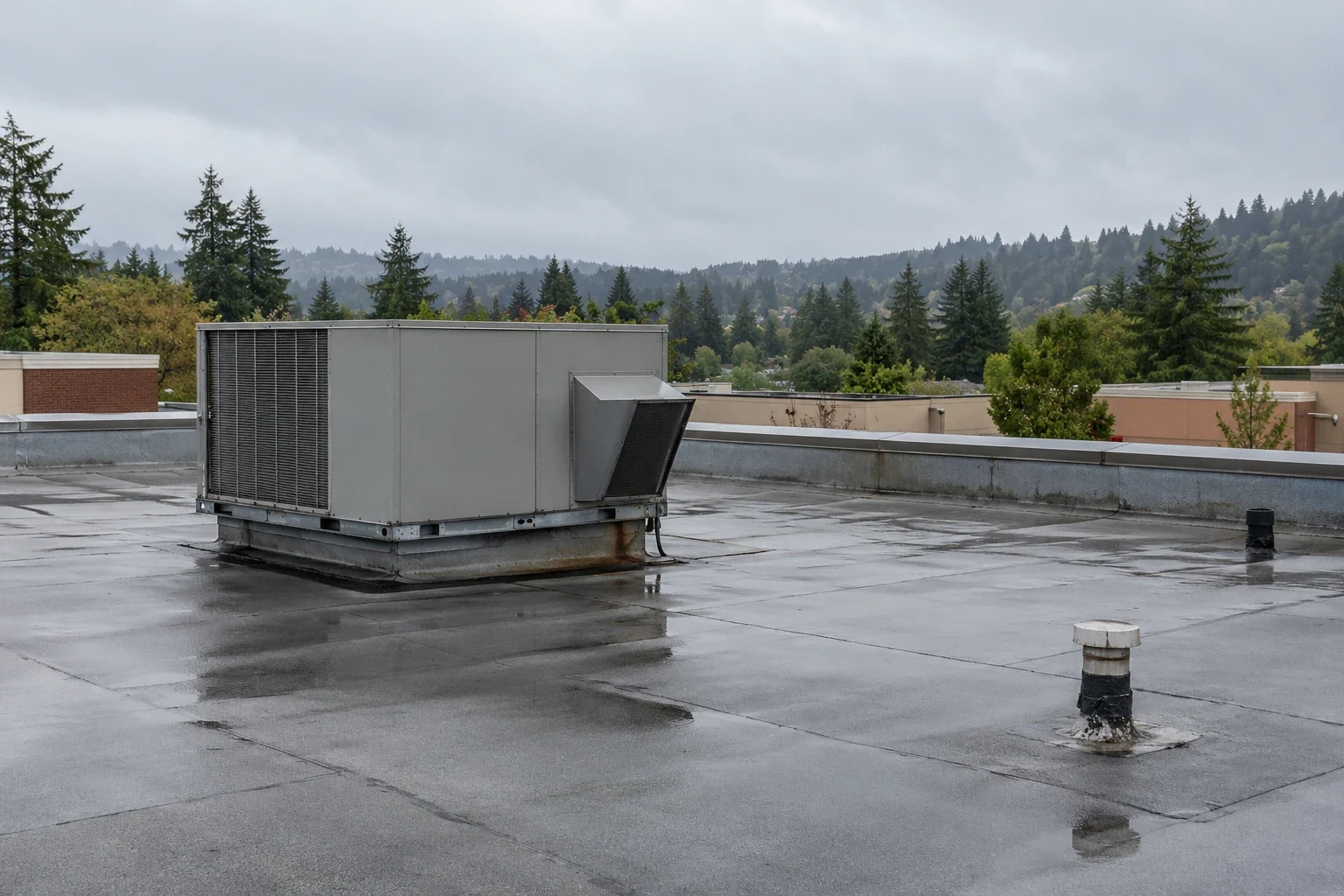
Restaurant roofs may include exhaust fans, grease duct transitions, make-up air units, gas lines, and multiple service penetrations. Retail properties can have rooftop units, skylights, signs, and tenant improvements that changed the original roof. We photograph the condition around each relevant curb or penetration and note whether a recent equipment replacement may have disturbed flashing. A curb and support review can focus on those interfaces without implying that the equipment itself is defective.
Drainage needs equal attention. Debris at a strainer, a blocked scupper, or a low roof zone may contribute to water accumulation, but it is not proof that a ceiling leak originates at that point. We note accessible outlet conditions and route follow-up separately from membrane repairs. An outlet maintenance visit can be scheduled where the observation supports it. For a chain, documenting drains consistently helps the facilities team compare maintenance needs across stores without copying one property's condition to another.
Plan repairs around customers and store operations
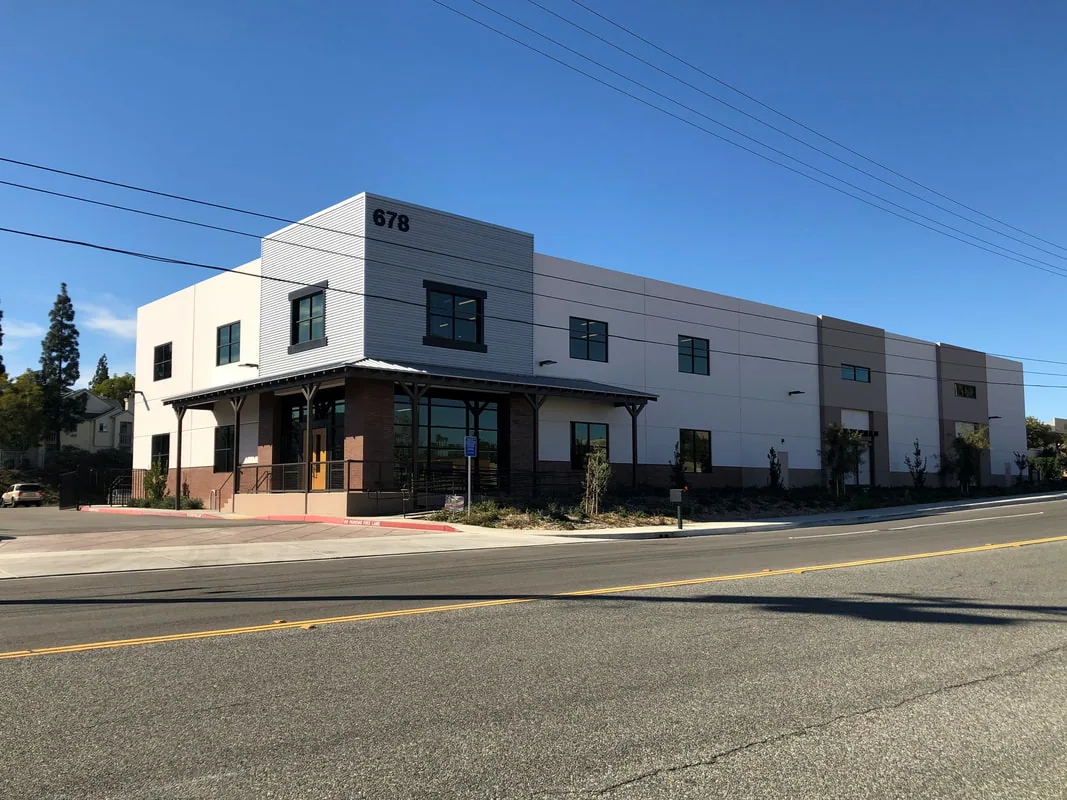
A roof task may affect a storefront, drive-through, loading door, patio, or customer parking aisle. Before mobilization, the operator identifies high-traffic periods, delivery windows, food-safety constraints, and any entrance that must stay open. We define material staging, fall-protection access, lift placement, and pedestrian controls so the work boundary is clear. If a ceiling must be opened, the owner approves protection and cleanup arrangements for the merchandise or food area below.
Evergreen Way has a mix of neighborhood commercial activity and employment centers, while Metro Everett's core has civic uses, offices, shops, and transportation. Those place patterns can affect traffic and delivery timing, but each store controls its own operations. An occupied-building sequence can set daily work zones and closure points. We agree on a watertight end-of-day condition before opening any roof area and record who will confirm that the space below can return to use.
Use seasonal timing for planning, not diagnosis
For Everett, long-term observations put annual precipitation at 40.25 inches. November is the leading wet month, followed by January and December, so regional service capacity often needs winter flexibility. Rain can narrow the safe window for opening and closing roof materials, so the scope should include a workable daily closure and a check of substrate conditions. Freeze-thaw exposure can also matter at penetrations and repairs. None of those climate patterns establishes the condition of a particular store; the inspection documents what is actually visible and tested.
For a portfolio, use seasonality to schedule preventive visits before the wettest months and to reserve capacity for urgent reports. Do not apply a regional weather assumption as a damage finding. A repair date and the store's leak log make later review more useful. A Evergreen Way corridor review can help plan regional routing while keeping service-area content focused on a real commercial area rather than one tenant or address.
Compare stores while retaining building-level evidence
Chain operators need repeatable records for inspection dates, roof assemblies, active leaks, drains, equipment changes, repairs, and unresolved tests. Common fields help headquarters sort work by urgency; the photographs and roof map preserve the context at each property. A similar symptom at two locations may have different causes because one roof has a recent replacement, a different deck, or a separate drainage path. We keep those findings distinct.
A hospitality roof program may use similar regional coordination, and property managers often need consistent work-order detail. The chain retains authority over its vendors, budgets, and store operations. For a regional service call, record the store's approval contact, who can authorize a roof opening, and who decides whether inventory should move. If an after-hours visit is required, the work order should state the approved access window and the point at which a manager must be reached. Those operating details can prevent a technically sound repair from becoming a store disruption. Include a contact for the alarm, loading dock, and tenant coordination when those systems affect the route to the roof. We provide the evidence needed to compare options: localized repair, targeted testing, maintenance, or larger replacement planning. Each option identifies included work, exclusions, and what new condition would change the recommendation.
Close work with clear store and portfolio records
The closeout should state which roof zone was repaired, the materials used, photos, any temporary protection removed, and maintenance items left open. If an inspection could not reach a section, the limitation remains in the record rather than disappearing from a chain-level summary. The store manager can confirm interior restoration and return to service; facilities staff can verify the roof repair and schedule any follow-up.
For stores around Everett, including Metro Everett, Evergreen Way, and Everett Mall Area, regional weather informs scheduling while the individual property defines access. Provide roof plans, prior work orders, leak dates, equipment changes, and store restrictions before inspection. We will document the roof condition and set a practical repair or testing path. A concise, consistent record helps a chain decide where to send its next dollar without suggesting that one location's problem exists across the entire portfolio.
Commercial Roofing Questions
Can a store remain open during roof repairs?
It may, if the operator approves safe access, customer protection, staging, and interior boundaries. Some intrusive work needs a restricted time window.
Should similar leaks at two stores be treated as the same defect?
No. Compare each roof assembly, drainage path, equipment, and repair history before deciding whether the causes match.
What details help triage a store leak?
Record the room or sales area, timing, active water, nearby roof features, photos, and any operational or food-safety concern.
How often should a chain inspect drains?
Set a schedule based on roof access, debris exposure, service history, and observed outlet condition. The visit should document what was accessible.
Can one report support regional budgeting?
Yes, when it uses consistent condition fields while keeping the roof map for each store, photos, testing limits, and repair boundary separate.
Questions Owners Ask
Can a store remain open during roof repairs?
It may, if the operator approves safe access, customer protection, staging, and interior boundaries. Some intrusive work needs a restricted time window.
Should similar leaks at two stores be treated as the same defect?
No. Compare each roof assembly, drainage path, equipment, and repair history before deciding whether the causes match.
What details help triage a store leak?
Record the room or sales area, timing, active water, nearby roof features, photos, and any operational or food-safety concern.
How often should a chain inspect drains?
Set a schedule based on roof access, debris exposure, service history, and observed outlet condition. The visit should document what was accessible.
Can one report support regional budgeting?
Yes, when it uses consistent condition fields while keeping the roof map for each store, photos, testing limits, and repair boundary separate.
Coordinate roof response across retail locations
Schedule an Everett store or restaurant roof evaluation. We will document the reported condition, plan around operations, and create a record that supports regional decisions.
Related Roofing Work
- Commercial Roof Inspection
- Multi-Site Commercial Roof Programs
- Emergency Commercial Roof Repair
- Rooftop Equipment Curbs and Supports
- Commercial Roof Drains and Scuppers
- Occupied Building Reroofing
- Evergreen Way and Casino Road
- Commercial Roofing for Hospitality Groups
Browse every page in Industries We Serve, or request a roof assessment and we will walk the roof with you.
Questions about this roof? Call 555-555-5555.