Commercial Roof Repair, Replacement & Maintenance
Commercial Roofing for Hospitality Groups in Everett, WA
A roof problem at a hotel can reach a guest room, kitchen, lobby, meeting space, or back-of-house corridor. The visible point is only the starting clue; water may have traveled before reaching an interior finish. We map the report to the roof, inspect nearby drains and transitions, and document confirmed conditions before recommending work. A hospitality portfolio can include hotels, event properties, restaurants, and mixed-use buildings with different operating rules. Everett's Metro Everett core brings civic activity, offices, shops, residences, and transportation together, while Everett Mall Area is a designated commercial center. Those settings affect delivery and guest access but do not define the condition of a specific roof. A roof inspection documents each property, and portfolio coordination keeps the records comparable without treating assets as identical.
Protect guest access and service areas
Before inspection or repair, the property team identifies guest entrances, event schedules, food-service hours, loading access, and any room where noise or odor would be disruptive. We coordinate ladders, lift placement, material staging, and pedestrian protection around those operating boundaries. If a room or corridor must be cleared for interior testing, hotel staff approve the temporary restriction and communicate it through their own guest procedures.
Work sequencing should state where the crew will be, when a roof area will open, and when it will be watertight. A limited repair near an exhaust fan may need different controls than a project over a ballroom or guest wing. An occupied-building work plan can define daily zones, access, and handoffs. The hotel remains responsible for guest communications and room assignments; the roofing report records the building boundary and condition without taking over hospitality operations.
Find the roof source behind the interior report
Water can move along a deck, insulation, beam, or service route before it shows on a ceiling. We note the room, date, weather, and whether the leak is active, then compare that information with roof slope, seams, drains, walls, and equipment penetrations. A ceiling mark may remain after the source is corrected, so we review fresh moisture and prior repair records rather than assuming the condition is unchanged.
Where insulation may be wet, the report identifies whether direct sampling is needed. Infrared readings can help select a test area under suitable conditions but do not verify concealed materials by themselves. A moisture survey can guide testing, while a leak response can secure an active opening. We keep emergency stabilization and permanent work separate so the property can protect guests first and review a durable repair scope next.
Inspect equipment and service penetrations
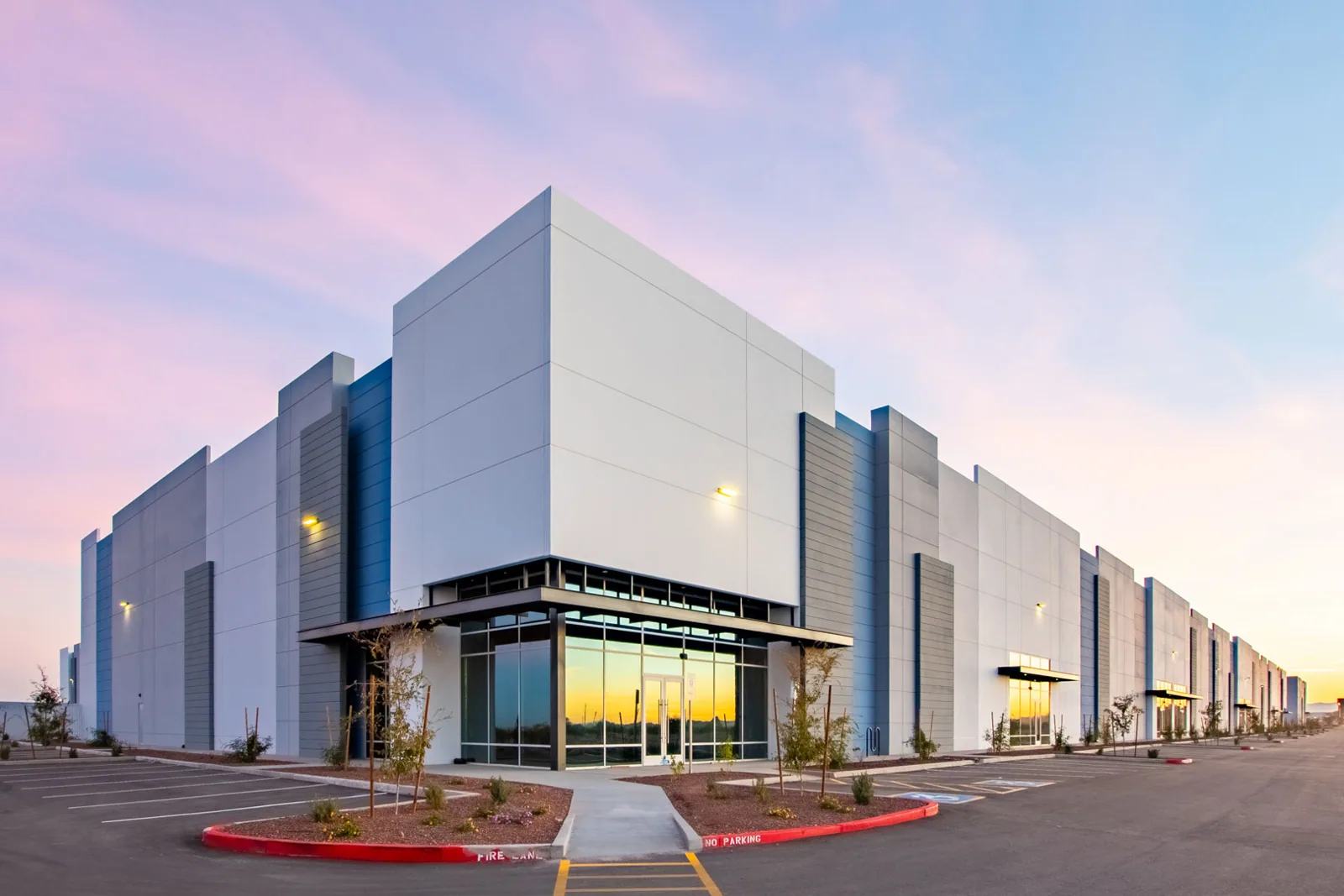
Hotels often have rooftop units, exhaust fans, kitchen ventilation, plumbing vents, antennae, and lines serving guest and public areas. Equipment replacement or maintenance can disturb the curb, fasteners, or surrounding flashing. We photograph the interface, note the direction of water movement, and identify whether the roof detail is integrated with the equipment schedule. The assessment covers the roof connection and visible membrane condition; mechanical performance belongs to the operator and its equipment contractor.
Where service is planned, coordinate roof access before the vendor mobilizes. A changed footprint may leave exposed fasteners or an abandoned curb that needs a roof detail. A curb and penetration review can establish the roofing scope around that work. In Everett, Port Gardner Waterfront and Paine Field represent distinct employment and transportation areas; their operations are local context only. The property manager sets the practical service window and loading route for each hotel.
Schedule preventive visits before the wettest months
Everett's precipitation normal is 40.25 inches each year, with November, January, and December among the wettest months. Regular rain makes clear drainage and timely temporary closures important. Freeze-thaw conditions also occur, so inspection notes should identify open seams, loose edge details, and vulnerable transitions that may need attention before winter. Schedule inspections around the wet season and verify completed repairs through documented field checks.
A hospitality group can schedule drain and perimeter checks before peak wet-season demand, then retain capacity for active leaks during busy periods. The visit should record which outlets were accessible, whether debris was present, and any limitation caused by rooftop equipment. A drain review can address observed maintenance needs. For broader planning, the Everett Mall Area and Metro Everett are real commercial locations with different traffic and property patterns; neither should be reduced to a single hotel address.
Standardize reporting without flattening the properties
Regional managers need to see which properties have active leaks, deferred repairs, maintenance items, and testing questions. Common fields support that view, but the roof plan, photographs, assembly, and repair boundary must stay tied to the individual building. A similar symptom at two hotels may have different causes because of different roof generations, equipment, or drainage paths. When a group acquires a property, its first assessment should verify the roof assembly, prior replacements, repairs, and current access points instead of importing the assumptions from the seller's summary. That baseline helps separate inherited maintenance needs from new operating issues and gives the regional team a sound point of comparison for later inspections and budget reviews each operating season. We make each recommendation traceable to its evidence and mark the assumptions that could change the price or schedule.
Property-management teams can use a consistent work-order structure, and portfolio owners can compare capital needs across holdings. The format should preserve what is unique about a meeting venue, restaurant roof, or guest tower. If insurance documentation is relevant, state event dates and observed damage separately from routine wear. The property owner decides priorities, vendor selection, and room operations; a roof condition report informs those decisions but does not replace them.
Document repairs for the next operating season
Closeout should identify the roof zone, repair completed, material, photographs, temporary protection, and any follow-up visit. We state whether a drain or equipment transition remains under observation and who should request the next review. If access prevented inspection of part of a roof, that limit stays visible in the property record. Clear handoff prevents a later manager from mistaking an uninspected section for a verified condition. Tie each roof zone to occupancy windows, loading access, and kitchen exhaust schedules before staging inspections or replacement work.
For properties around Metro Everett, Port Gardner Waterfront, Everett Mall Area, and other parts of Snohomish County, local rain informs the maintenance calendar while site rules govern guest protection. Provide a roof map, leak log, equipment schedule, event calendar, and access rules before the visit. We will map the observed condition, identify the next test or repair, and set a daily closure standard. That gives the operations team a practical sequence it can fit around occupancy and planned events. Tie each roof zone to occupancy windows, loading access, and kitchen exhaust schedules before staging inspections or replacement work.
Commercial Roofing Questions
Can a hotel stay open during roofing work?
Often, if the operator approves guest routes, staging, noise windows, and any temporary room restrictions. The work plan must define the daily boundary.
Will a ceiling stain disappear after a roof repair?
Not necessarily. Interior finishes can retain marks after the roof source is corrected. The closeout should identify the repaired roof detail and any follow-up observation.
Should hotels inspect drains before the rainy season?
A scheduled review can document accessible outlets and maintenance needs before wet months. Frequency depends on roof conditions, debris, access, and prior history.
Can one report cover multiple hospitality properties?
A portfolio summary can organize the work, but each property needs its own photos, assembly notes, findings, and repair limits.
What should a hotel prepare for roof inspection?
Provide the roof map, leak records, equipment schedule, guest and event constraints, loading rules, and the person authorized to approve access.
Questions Owners Ask
Can a hotel stay open during roofing work?
Often, if the operator approves guest routes, staging, noise windows, and any temporary room restrictions. The work plan must define the daily boundary.
Will a ceiling stain disappear after a roof repair?
Not necessarily. Interior finishes can retain marks after the roof source is corrected. The closeout should identify the repaired roof detail and any follow-up observation.
Should hotels inspect drains before the rainy season?
A scheduled review can document accessible outlets and maintenance needs before wet months. Frequency depends on roof conditions, debris, access, and prior history.
Can one report cover multiple hospitality properties?
A portfolio summary can organize the work, but each property needs its own photos, assembly notes, findings, and repair limits.
What should a hotel prepare for roof inspection?
Provide the roof map, leak records, equipment schedule, guest and event constraints, loading rules, and the person authorized to approve access.
Coordinate roof maintenance around guest operations
Schedule an Everett hospitality roof evaluation. We will document property-specific conditions and plan repairs around guest access and operating hours.
Related Roofing Work
- Commercial Roof Inspection
- Multi-Site Commercial Roof Programs
- Occupied Building Reroofing
- Emergency Commercial Roof Repair
- Rooftop Equipment Curbs and Supports
- Commercial Roof Drains and Scuppers
- Everett Mall Area
- Commercial Roofing for Property Management Companies
Browse every page in Industries We Serve, or request a roof assessment and we will walk the roof with you.
Questions about this roof? Call 555-555-5555.