

Commercial Roof Repair, Replacement & Maintenance
Commercial Roofing for Public Agencies in Everett, WA
Public buildings have to remain dependable while the work is inspected, funded, and scheduled. A leak in a service counter, operations room, maintenance shop, or records area can affect daily access, but the visible stain may not mark the roof opening. We trace the report to the roof zone, inspect drainage and transitions, and state what evidence supports the recommendation. Everett's public building portfolio includes Metro Everett's civic core, North Broadway's community services, and Snohomish County facilities alongside transportation and industrial uses. These distinct settings can affect security, public entry, and staging. A commercial roof inspection documents observed conditions, while portfolio coordination helps agencies retain building-specific records.
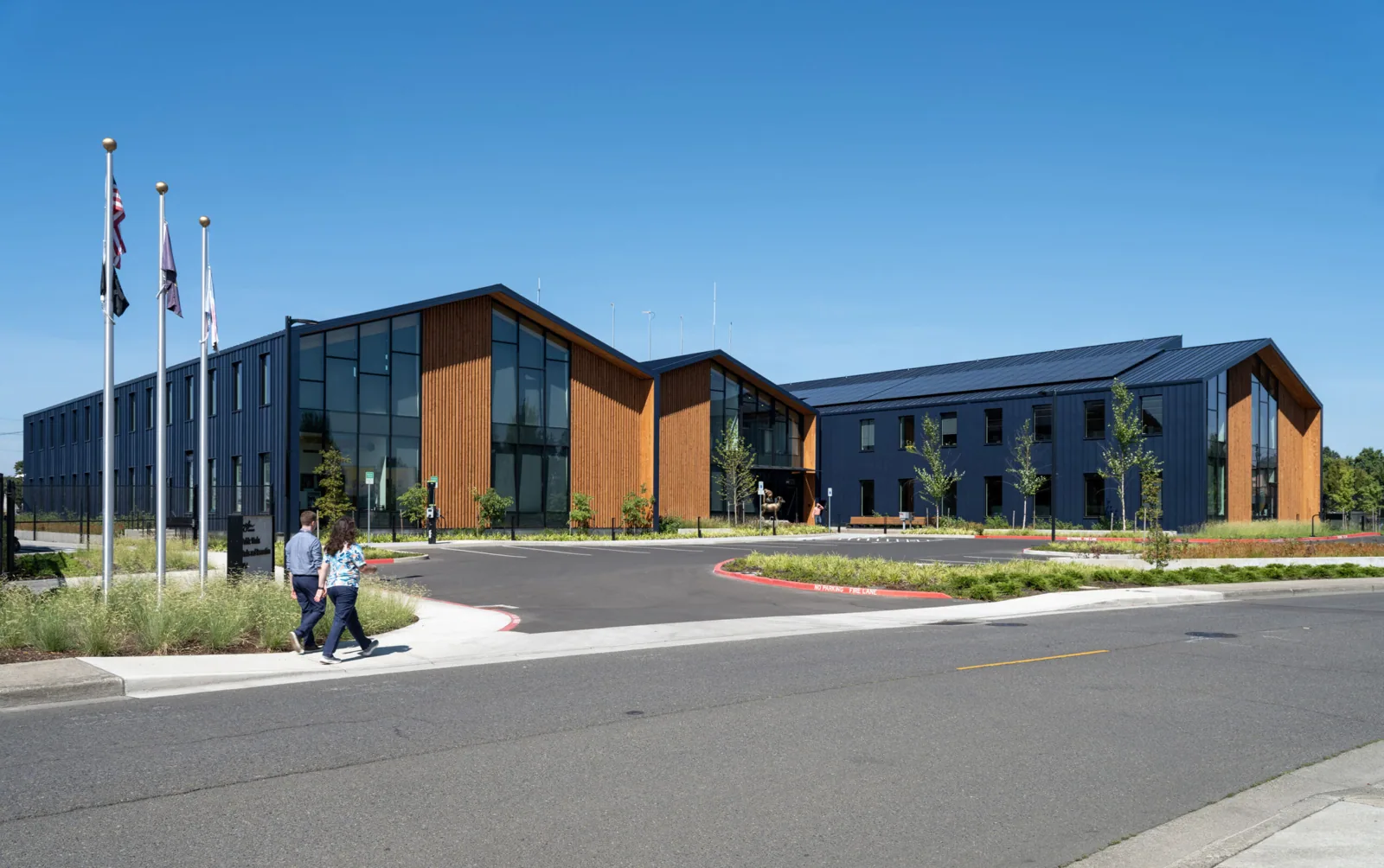
Separate civic buildings and operating properties
An agency portfolio may include offices, public-safety buildings, maintenance yards, community facilities, and leased spaces. Their roof assemblies and operating hours can differ, even when the same department coordinates maintenance. We list the inspected building and roof area, identify visible assembly details, and mark inaccessible sections. A condition at one property does not establish the condition of another. Standardized fields make the files easier to compare while preserving each building's unique photos, repairs, and testing limits.
Metro Everett is the historic civic and commercial core, with offices, transportation, and public activity; North Broadway is planned as a community hub with employment and services. Industrial uses cluster around the Port and BNSF Delta rail yard. For a public property, confirm agency entry rules, escort requirements, and work windows directly with the site contact. A government-building assessment can address public entry and critical spaces; property-management records can help coordinate recurring work orders across assets.
Set access and security boundaries before inspection
Some facilities require sign-in, escorts, restricted photography, screened equipment, or separation from public areas. The agency identifies the applicable procedures before a roof visit so the crew can use an approved route and avoid interrupting services. We record which roof sections were reached and any area that requires a separate authorization. Where an interior investigation is needed, the building contact determines the room access and handling requirements.
Public-facing spaces may remain occupied during inspection. We coordinate ladder placement, lift locations, pedestrian protection, and material movement with the site representative. If roof work could affect an entrance, loading zone, or emergency route, the owner approves the temporary boundary before mobilization. A phased occupied-building plan can define the sequence, but agency staff retain control over public operations and security decisions. We do not assume an agency can close a facility or relocate its services on a contractor's schedule.
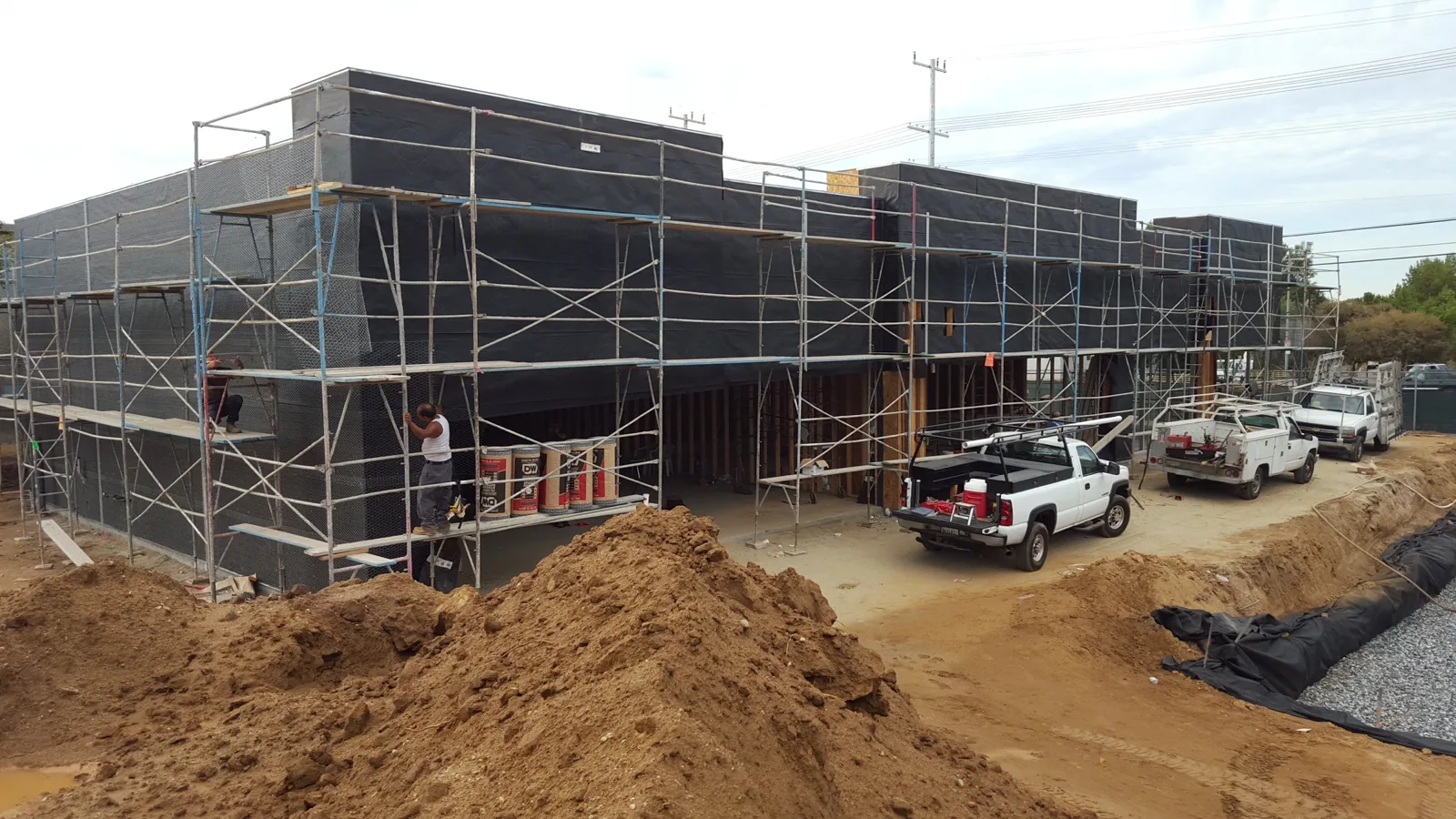
Locate the source before assigning a repair
Water can travel from a seam or penetration along a deck, insulation, or framing and appear far from the roof opening. We compare the reported room and date with drainage paths, parapets, curbs, wall transitions, and prior repairs. The inspection separates a confirmed defect from an area that needs testing. If concealed materials affect the repair decision, targeted readings or a test cut can clarify whether moisture extends beyond the visible symptom.
A public record should state the evidence in plain terms: where the roof was opened, what material was observed, which test was performed, and what remains unknown. This helps facilities staff and procurement teams evaluate the recommendation without overstating certainty. A moisture survey may help target samples under suitable conditions, while emergency stabilization addresses an active opening and immediate protection. The report should keep temporary measures distinct from permanent scope.
Review outlets, perimeter details, and weather exposure
Drains, scuppers, overflow routes, edge metal, coping, and wall transitions influence how the roof handles rain. We note visible obstructions and damaged components, then distinguish a maintenance need from a failed membrane or flashing detail. A roof inspection cannot establish drainage capacity from appearance alone; if slope, outlet sizing, or concealed piping is in question, that issue needs its own evaluation.
Everett's 40.25-inch annual precipitation normal makes wet-season planning relevant, especially in November, January, and December. Rain timing affects access and work closure, not the diagnosis of an individual building. We keep this climate context separate from site evidence. A drain and scupper review can define maintenance work; perimeter flashing inspection can evaluate coping and edge transitions. The agency can decide whether the repair belongs in routine maintenance, a small works package, or a larger capital project.
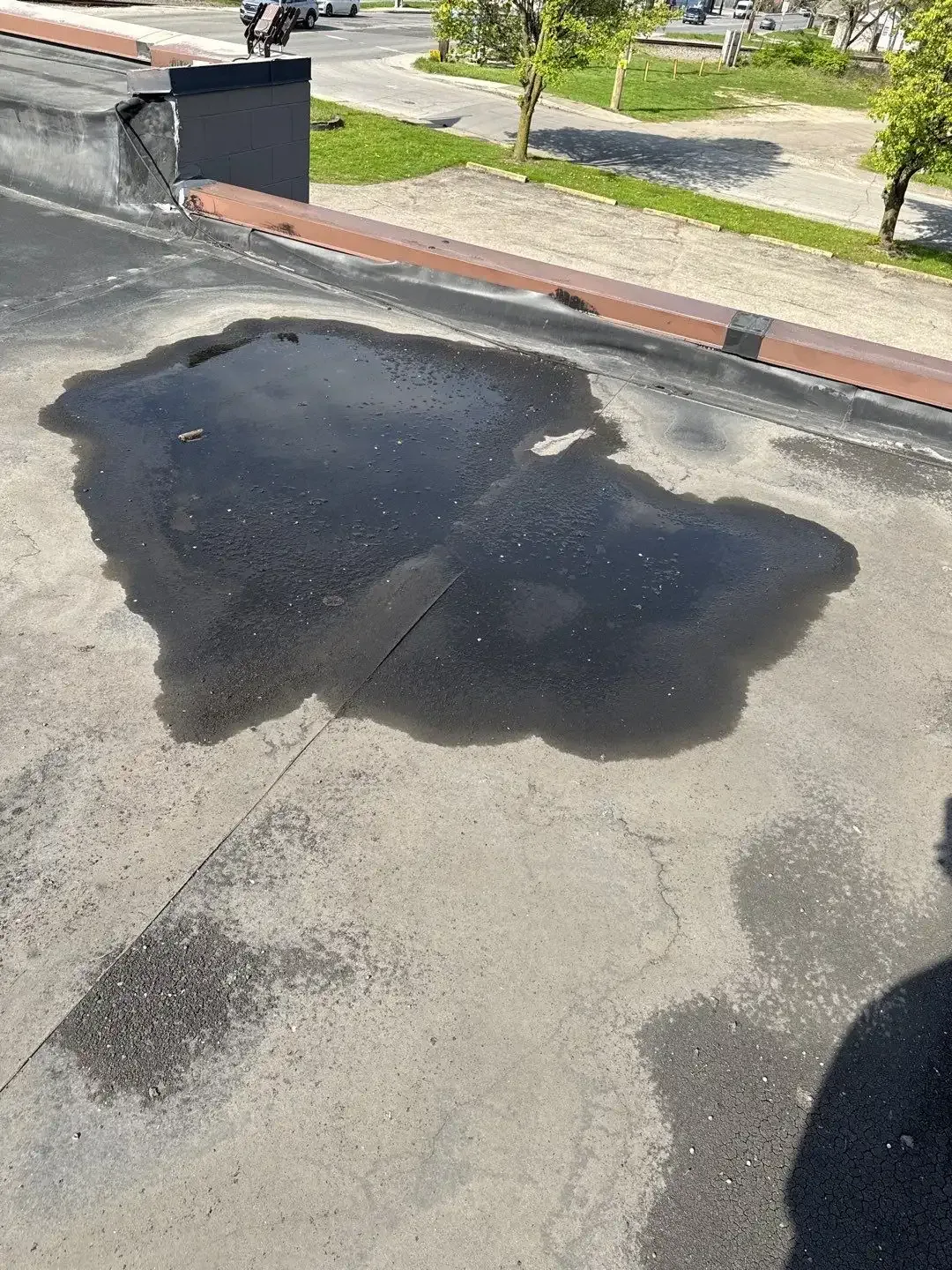
Prepare a scope that can be reviewed and priced
A useful scope names the building, roof zone, observed condition, access assumptions, protection, and closure standard. If a recommendation depends on moisture extent, identify the test quantity and acceptance rule before pricing. If multiple alternates are offered, state what each includes and what condition would trigger it. This gives facilities, finance, and procurement a comparable basis for review and limits ambiguity when a work order is issued.
Public entities may coordinate budget cycles, competitive purchasing, and operational approvals. The roofing assessment should support those steps with photographs, an annotated roof plan, and a clear division between immediate stabilization and permanent repair. If a solicitation requires alternates, describe the base scope and each alternate as separate quantities rather than bundling uncertain concealed work into a single allowance. Identify who will authorize destructive testing and how a changed condition will be documented. These details help facilities staff explain why a price changed and let the procurement team compare bids against the same roof boundary. A calendar that accounts for public meetings, election operations, or seasonal service demand can also keep mobilization from colliding with critical public access. The owner can then set a realistic completion window and assign a contact for daily questions, change approvals, and final acceptance. Written responsibilities reduce delays when a discovery affects cost or building use. Restoration documentation may organize an event-related file where appropriate, but it does not decide coverage. The agency determines procurement method, funding, and award; our role is to describe roof conditions and the work needed to address them.
Leave clear closeout and maintenance records
At completion, the record should identify the work performed, materials, repaired locations, photographs, remaining restrictions, and any maintenance item that needs tracking. We note whether temporary protection was removed and whether an unresolved condition requires testing or a return visit. If water reappears, the next report can compare the symptom with the repaired area and avoid restarting the investigation from scratch.
For agency buildings around Metro Everett, North Broadway, or the Everett Industrial Waterfront, regional weather and traffic inform scheduling while each owner defines access. Before an assessment, share available roof plans, leak dates, prior work orders, security steps, and public-service windows. We will inspect by building, report evidence and limits, and define a practical next action. A well-bounded record helps the next facilities employee understand what was observed without depending on informal handoffs.
Commercial Roofing Questions
Can a public building remain open during a roof inspection?
Often, if the agency approves the access route, public protection, and any interior entry. Restricted spaces or intrusive testing may require a separate window.
Does a roof assessment set the agency procurement method?
No. The assessment documents condition, scope, and assumptions. The agency determines funding, procurement requirements, approvals, and award.
Can several agency buildings be inspected under one program?
Yes, but each building should have its own roof map, photos, assembly notes, and repair boundaries so findings stay attributable.
What belongs in a roof repair scope?
Identify the roof zone, condition, access and protection, materials or testing, closure standard, and any alternate assumptions that affect price.
How should an agency handle a leak before a capital project?
Document the active opening, protect affected space, and define temporary stabilization separately from permanent repair or replacement.
Questions Owners Ask
Can a public building remain open during a roof inspection?
Often, if the agency approves the access route, public protection, and any interior entry. Restricted spaces or intrusive testing may require a separate window.
Does a roof assessment set the agency procurement method?
No. The assessment documents condition, scope, and assumptions. The agency determines funding, procurement requirements, approvals, and award.
Can several agency buildings be inspected under one program?
Yes, but each building should have its own roof map, photos, assembly notes, and repair boundaries so findings stay attributable.
What belongs in a roof repair scope?
Identify the roof zone, condition, access and protection, materials or testing, closure standard, and any alternate assumptions that affect price.
How should an agency handle a leak before a capital project?
Document the active opening, protect affected space, and define temporary stabilization separately from permanent repair or replacement.
Document public-facility roof needs clearly
Arrange an Everett public-agency roof assessment. We will map conditions, identify access limits, and prepare a scoped next step for facilities review.
Related Roofing Work
- Commercial Roof Inspection
- Multi-Site Commercial Roof Programs
- Government Building Roofing
- Commercial Roofing for Property Management Companies
- Occupied Building Reroofing
- Commercial Roof Drains and Scuppers
- Commercial Roof Edge Metal, Coping and Gutters
- Commercial Roofing for Insurance Restoration
Browse every page in Industries We Serve, or request a roof assessment and we will walk the roof with you.
Questions about this roof? Call 555-555-5555.