Commercial Roof Repair, Replacement & Maintenance
Commercial Roofing in Tulalip, WA
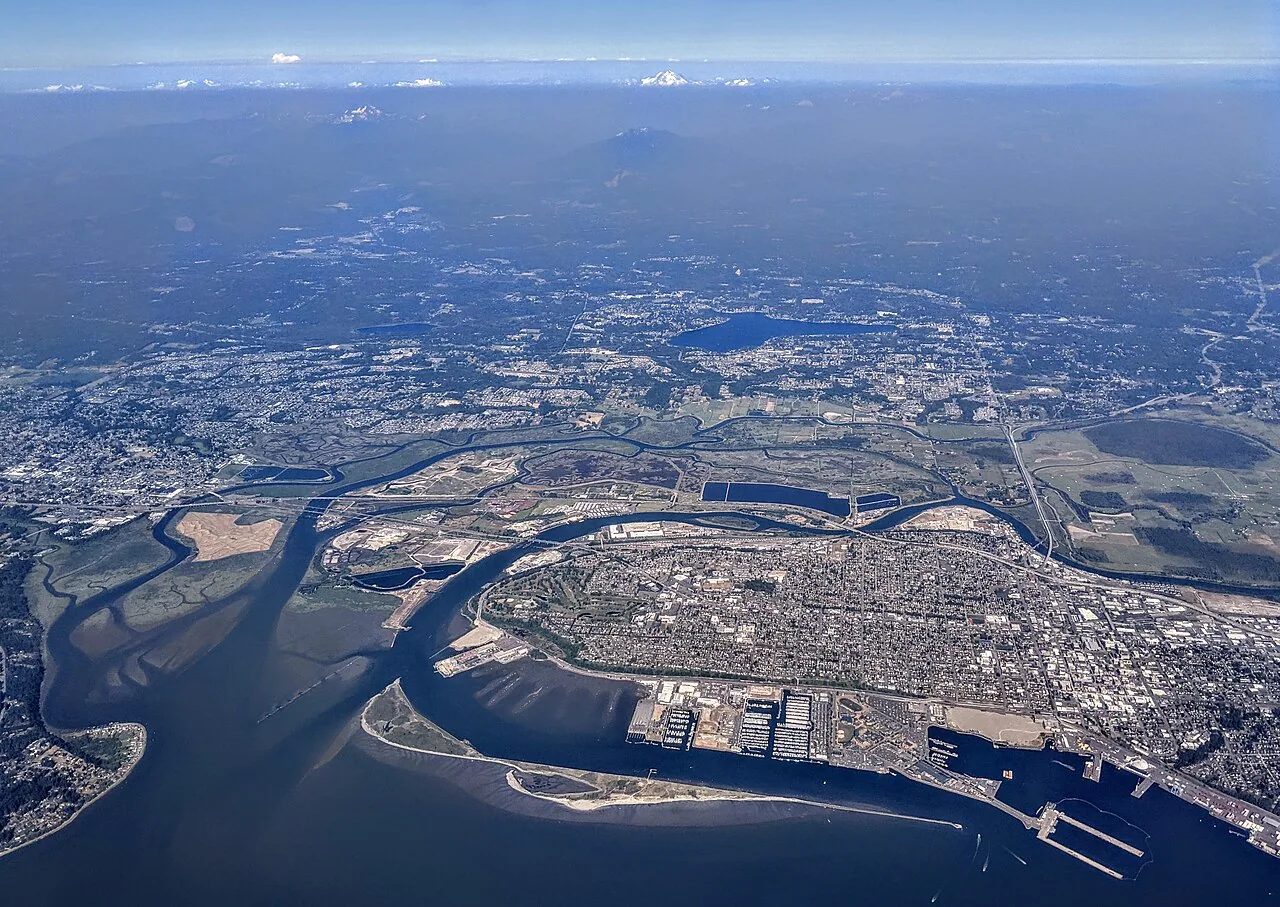
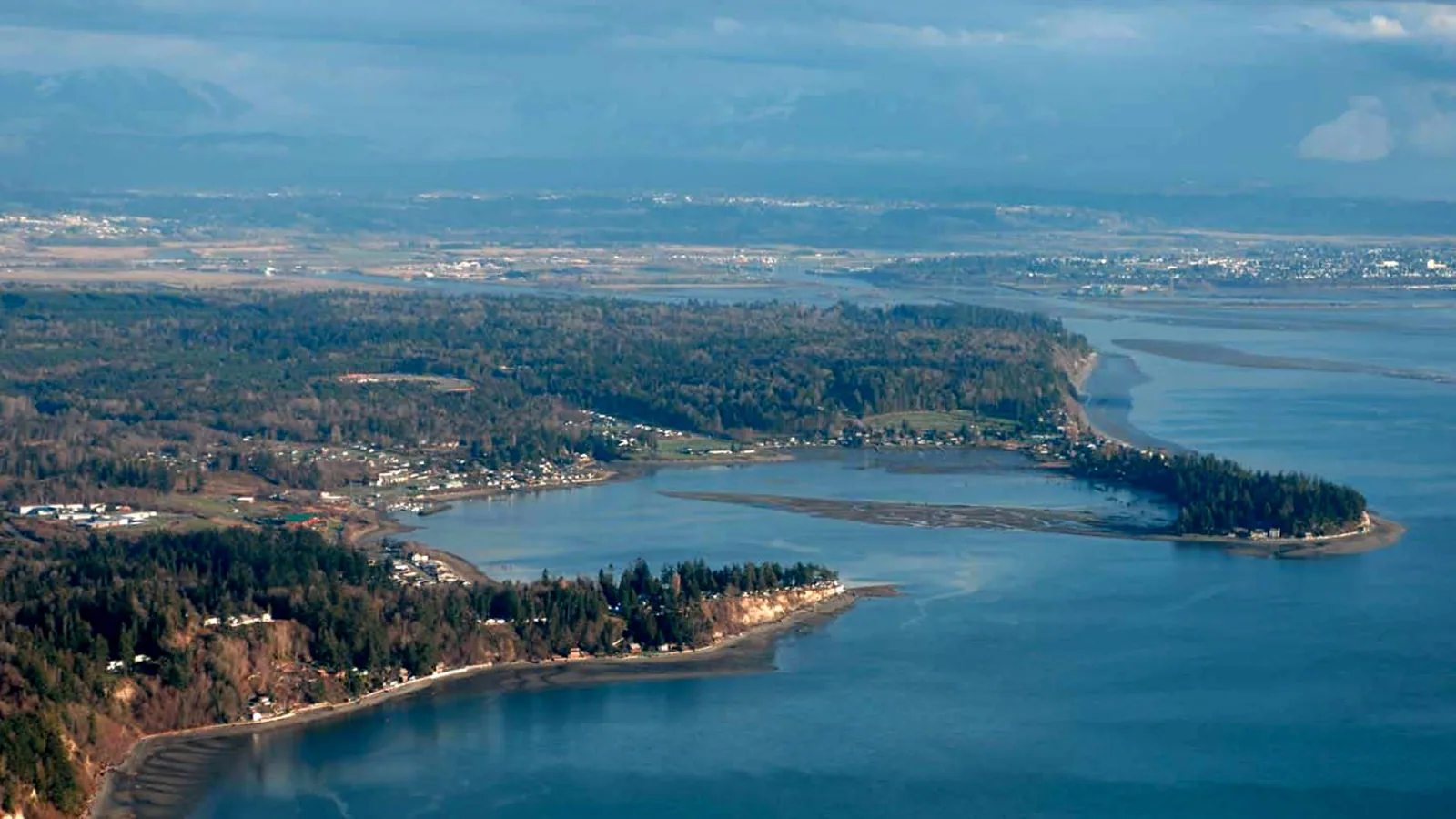
Tulalip is part of Everett's northern regional context, beside Marysville, and its economic ties extend through collaboration with the Tulalip Tribes, Arlington, and Snohomish County. Manufacturing and international trade activity across the Everett region add industrial and logistics properties to the wider service area. A roof visit must still start at the individual property: identify the owner-authorized contact, confirm access, document the assembly, and connect reported water to a testable detail. A commercial roof inspection gives an owner a measured basis for repair or longer-term planning.
Late fall and winter are Everett's wettest stretch, within an annual average of about 40.25 inches of precipitation. Water control matters during both inspection and repair: keep drainage routes open, protect any exposed section before leaving, and record the temporary tie-in. The regional place names help coordinate service, but the building's actual use and roof condition determine the scope. We verify roof levels, access restrictions, equipment, penetrations, and interior symptoms before recommending a patch, moisture test, or replacement review.
Set a clear boundary for the investigation
Write down where the leak appeared, when it started, whether it recurs, and what weather or building activity preceded it. Use that timeline to choose a roof zone for inspection. Check the drain, overflow, wall transition, penetration, curb, seam, and edge details that connect to the likely water path. Water can travel along framing or between layers, so the first visible stain does not define the repair area. Photograph the suspected condition and mark it on a plan with enough nearby features for another crew to locate it.
On an industrial or trade-related property, confirm who can authorize roof entry and whether vehicle, loading, or active-work areas affect staging. Do not assume that a property near the Port or an industrial center has any particular membrane or roof geometry. Identify each assembly from plans and field details. If concealed moisture is suspected, define a question before ordering infrared imaging or making a test cut: where does wet insulation begin, how far does it extend, or is the deck compromised? A moisture survey can help target follow-up, and a Each finding should be labeled as observed, tested, or still unresolved.
Trace water from field to perimeter
Roof failures often appear at transitions that combine different materials or movements. Inspect the membrane field and seams, then follow the water route to drains, scuppers, curbs, parapets, and perimeter metal. Look for open laps, loose terminations, displaced counterflashing, cracked sealant, and material that no longer bonds to its substrate. A water mark can appear after the original entry point has dried, so compare the interior report with roof evidence and recent weather. The goal is to name a repair zone the owner can verify, not to seal the closest visible detail without testing it.
Everett's wet-season conditions make sequencing important. A repair plan should say how the crew will maintain temporary drainage, protect the building during removal, and secure the roof at each daily stop. If a section is exposed, note who checks the dry-in and how quickly the crew can return if weather shifts. Separate an outlet cleaning or adjustment from a membrane repair so the owner can see what changed. A drain and scupper inspection can be a discrete maintenance item. If wind has lifted edge metal or disturbed attachments, a perimeter damage assessment should document the affected length and fastening detail.
Compare complete repairs, not isolated line items
A targeted repair is most useful when the opening is defined and nearby material remains sound. Specify the defect, preparation, compatible repair product, tie-in, protection below, and final inspection. If removal may expose wet insulation or corroded deck, define the approval point and how additional quantities will be recorded. A temporary cover needs a location, limit, inspection date, and permanent follow-up. If similar defects recur or moisture extends across multiple zones, compare restoration and replacement using condition evidence rather than continuing unrelated patches without a shared map.
A renewal proposal should list tear-off or recover, substrate work, insulation, cover board, membrane or panels, attachment, flashings, drains, edge metal, penetrations, access, staging, disposal, and warranty documents. TPO, PVC, EPDM, modified bitumen, built-up roofing, metal, and coating assemblies differ in seams and transition requirements; match the repair to the installed system and project design. A coating needs a sound, compatible surface and confirmed moisture conditions. A replacement review can define comparable scope, while TPO details or a metal retrofit should be weighed against the existing structure, drainage, and operating limits.
Coordinate the work zone with the property contact
Before mobilization, record the approved roof access, working hours, staging limits, fall-protection method, and areas requiring interior protection. On an active commercial or industrial property, coordinate deliveries and movement around the building so the repair crew does not obstruct normal operations. If the roof is split into phases, label the boundary, the temporary tie-in, and the person who accepts each section at day end. A short repair can still require notification, containment, or a planned interruption below. An owner should know which spaces can remain open and which need temporary controls.
Cost is affected by height, edge complexity, access equipment, penetrations, wet material removal, deck repairs, membrane compatibility, disposal, and phasing. Set quantities and exclusions plainly. Where the scope could grow after removal, include a unit price or written approval step. Everett's November-through-January rainfall makes open-roof duration and dry-in part of the schedule. Actual surface temperature and substrate moisture still determine whether a coating, adhesive, or membrane can be installed. For a working facility, handback points can be planned, while emergency stabilization can secure an active leak ahead of the permanent scope.
Carry the roof record forward
Closeout should show the roof zone, original finding, repair performed, material used, photos, and the way the finished area was checked. Mark any unresolved condition and the test or access needed to settle it. If a temporary measure remains, note its limits and follow-up date. Keep permit records and warranty documents with the assembly and work area they cover. A clear file lets a facilities manager distinguish what has been repaired from what still needs monitoring when staff or vendors change.
Tulalip's regional relationship with Marysville, Arlington, Snohomish County, and the Port-linked economy makes shared coordination useful for owners with multiple properties. Each building still requires its own field evidence. A report can separate drainage work, membrane repair, moisture testing, and replacement alternatives so the owner approves the right scope. For a companion site visit, Marysville roof coverage and Arlington inspections can support separate, comparable records without transferring findings. Schedule a visit to document the water path, scope boundary, and work sequence before roof work is authorized.
Commercial Roofing Questions
Does being near industrial activity determine the roof system?
No. We identify the installed membrane, metal, insulation, and transitions from plans and field conditions before recommending work.
What should I send before a leak investigation?
Provide the affected room, dates, recurrence, recent weather, prior repairs, roof plans if available, and the person who can authorize access or testing.
How is a moisture boundary confirmed?
We compare the roof assembly and reported symptoms with survey readings, probes, or an approved test opening, then mark confirmed and suspected areas separately.
Can stabilization and permanent repair be priced separately?
Yes. The immediate dry-in can define its covered area and limits; a permanent scope can follow after the failed detail and any concealed damage are confirmed.
What should a renewal bid include?
List removal, deck and insulation work, assembly, flashings, drainage, edges, staging, disposal, exclusions, and the process for hidden conditions.
Questions Owners Ask
Does being near industrial activity determine the roof system?
No. We identify the installed membrane, metal, insulation, and transitions from plans and field conditions before recommending work.
What should I send before a leak investigation?
Provide the affected room, dates, recurrence, recent weather, prior repairs, roof plans if available, and the person who can authorize access or testing.
How is a moisture boundary confirmed?
We compare the roof assembly and reported symptoms with survey readings, probes, or an approved test opening, then mark confirmed and suspected areas separately.
Can stabilization and permanent repair be priced separately?
Yes. The immediate dry-in can define its covered area and limits; a permanent scope can follow after the failed detail and any concealed damage are confirmed.
What should a renewal bid include?
List removal, deck and insulation work, assembly, flashings, drainage, edges, staging, disposal, exclusions, and the process for hidden conditions.
Schedule a Tulalip-area roof inspection
Document access, the water path, and the repair boundary before choosing work.
Related Roofing Work
- Commercial Roof Inspection
- Infrared Moisture Survey
- Commercial Roof Drains and Scuppers
- Wind Damage Roof Repair
- Commercial Roof Replacement
- TPO Roofing
- Emergency Commercial Roof Repair
- Marysville
Browse every page in Service Areas, or request a roof assessment and we will walk the roof with you.
Questions about this roof? Call 555-555-5555.