

Commercial Roof Repair, Replacement & Maintenance
Commercial Roofing in Snohomish, WA
Snohomish's business mix includes manufacturers, regional retailers, independent shops, hospitality, and professional services. Snohomish has direct access to US 2 and SR 9, with I-5, SR 522, and Harvey Airfield also in the local transportation context. Its business areas include Historic Downtown, Pilchuck District, and Midtown District. The city, Historic Downtown, Pilchuck District, and Midtown District make practical service-area references for owners coordinating work across Snohomish properties. We verify system, access, drainage, and reported conditions before setting a scope. A commercial roof inspection can give a Snohomish owner a clear record for repair and budget decisions.
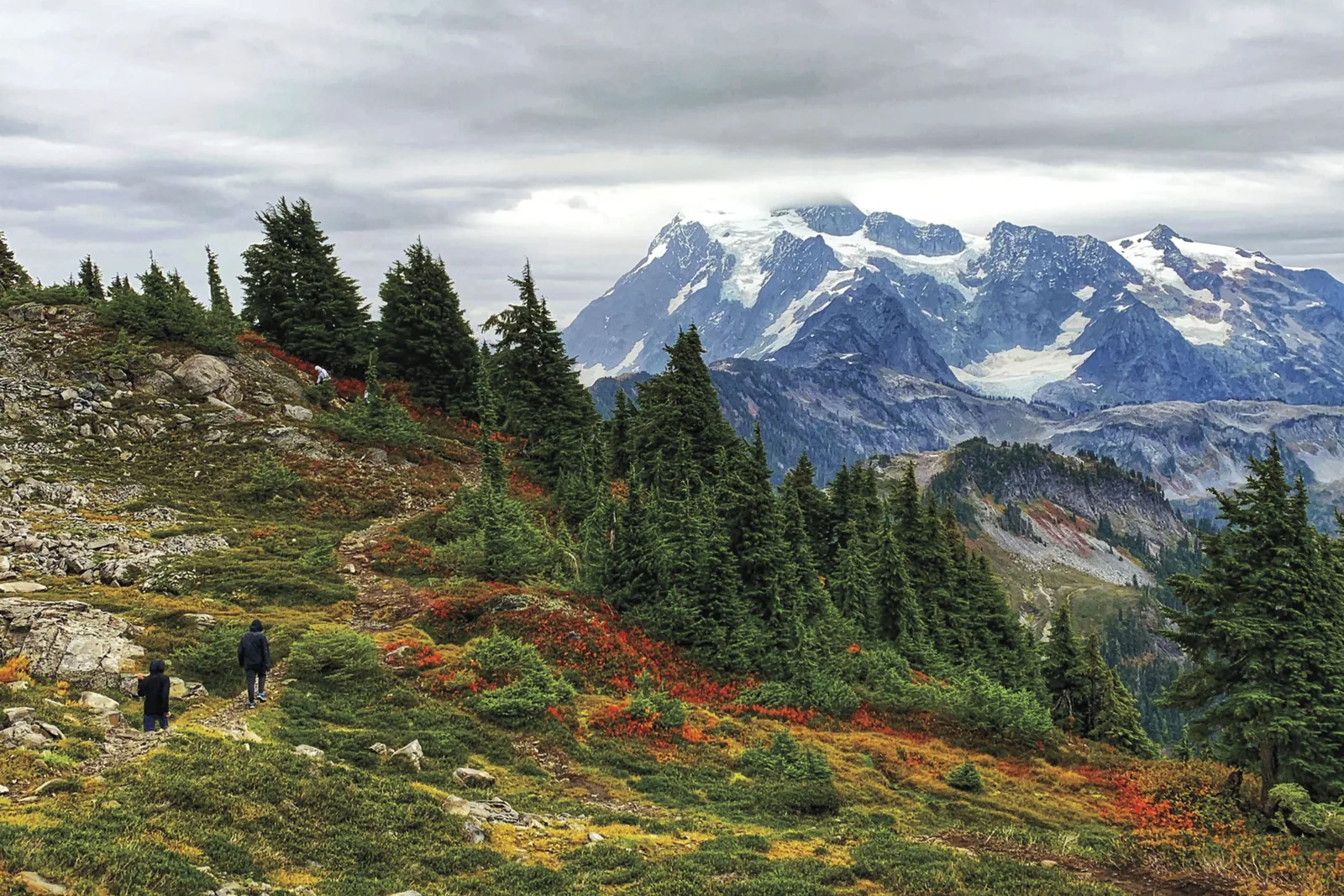
Coordinate work across Snohomish's business areas
Historic Downtown, Pilchuck District, and Midtown District are distinct business and mixed-use areas in the city's planning. A property in one district may have different vehicle access, customer activity, or delivery needs than a site in another. Confirm the work address, parking, staging, and operating hours with the owner. Do not assume the same roof system or maintenance history across the municipality.
Snohomish has manufacturers, regional retailers, independent shops, hospitality businesses, and professional services. Confirm what operates at the actual building and who can authorize roof access. For customer-facing spaces, protect entrances and coordinate noise or material movement. For manufacturing use, identify equipment shutdowns and production schedules. A repair plan should identify these constraints before the crew is mobilized. Keep any historic-district or city review requirement with the property contact rather than assuming a roofing scope follows a standard process.
Use the area's transport links to plan mobilization
US 2 and SR 9 provide direct access to Snohomish, while I-5, SR 522, and Harvey Airfield are nearby connections identified by the city. These links help orient service logistics, but staging and roof access remain specific to each building. Confirm the route for material delivery, whether a lift can set up safely, and where debris can be removed. If a work zone affects customer parking or a shared driveway, agree on timing and temporary signage.
For downtown or mixed-use properties, protect sidewalks, storefront access, and occupied spaces below the roof. For businesses with scheduled deliveries, keep loading areas clear. A roofing visit also needs safe access from the ground to the roof: check ladders, hatches, fall protection, electrical hazards, and fragile surfaces. Record who provides keys or escorts. If permits or lane restrictions are required, verify them with the owner and city before the estimate becomes a work order.
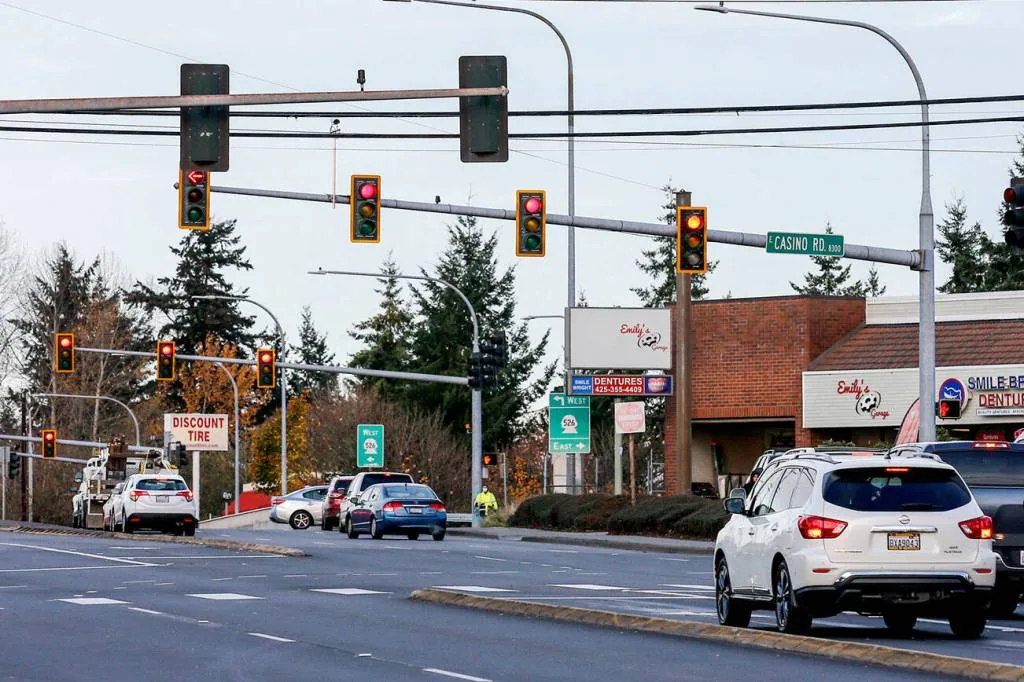
Identify the system and condition before writing a scope
Collect roof plans, product records, warranty papers, prior repairs, and leak history. Compare them with the visible roof. Confirm material, attachment, flashing, insulation, cover board, drains, edges, and the lines where additions meet. Record what is verified and what remains uncertain. If records describe an older system but a recent repair used different materials, identify the change before selecting a compatible detail.
On the walk, inspect seams or welds, curbs, pipes, exhaust, wall terminations, metal edges, drains, and repair patches. Check roof access and fall protection before carrying tools across the surface. On properties with customer areas below, identify entrances, windows, and walkways that need protection during staging or removal. Look for openings, movement, punctures, loose flashing, sealant failure, corrosion, or debris. Use a marked diagram and dated images so another technician can locate each observation. Ask whether mechanical or tenant contractors recently modified the roof. If concealed moisture is a concern, define the testing method and what result will alter the scope. A condition report can support future inspection and budgeting.
Trace leak reports without assigning a cause too soon
Gather the interior location, date, recurrence, weather, and any activity on the roof. Compare that information with roof details overhead and nearby. Water can move along a deck or below insulation before it appears inside, so the stain may be offset from its source. Check drains, scuppers, seams, flashing, curbs, and edges. Mark tested details and state what could not be inspected.
Everett's normal precipitation is about 40.25 inches a year, with wetter conditions in late fall and winter. For Snohomish work, plan safe access and a weather-tight closure for each shift. Inspect outlets and surrounding membrane rather than treating a wet interior as a drain diagnosis. If an area remains damp after rain, note its boundary and arrange a repeat check where useful. A leak investigation should separate confirmed damage from a possible water route and name any test still needed.
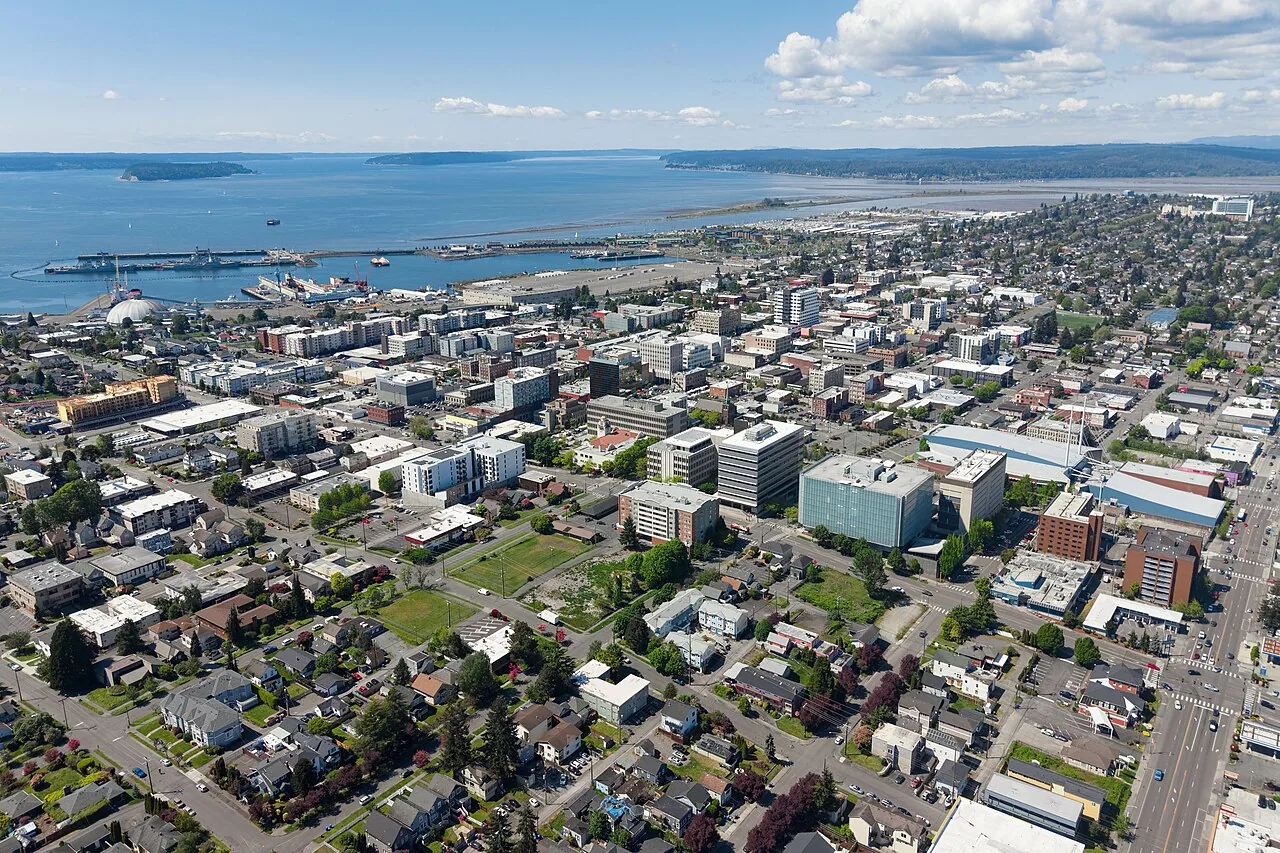
Compare repair and replacement with the same assumptions
Write the repair scope as a sequence the owner can verify: locate the failed detail, remove unsound material, prepare the substrate, install a compatible patch, then inspect the finished transition and clear debris from the work zone. If an opening reveals wet insulation or deteriorated deck, define who approves additional removal and how it is measured. Distinguish temporary protection from permanent work and set a return date when needed.
For renewal, compare tear-off or recover, substrate, insulation, cover board, membrane, attachment, flashing, edge metal, drains, disposal, and warranty documents. Include access and protection for shop, retail, hospitality, or office operations as applicable. Washington building and energy requirements apply to design and permit review; confirm the applicable path with the project team. A replacement proposal should use common quantities across bidders. If work is phased, label completed sections and temporary tie-ins so there is no uncertainty about which roof area is protected. Assign one party to inspect each new curb or penetration before the work order is closed.
Keep repairs, permits, and property contacts together
Maintain a property file with a roof plan, inspection dates, photos, system details, repairs, test results, open conditions, and warranties. Record who can authorize access and how to reach them. If a shop, hospitality, or manufacturing use changes, confirm whether equipment, ventilation, or roof penetrations have changed too. Ask other contractors for closeout notes when their work affects the roof.
Snohomish's transport links can support regional service routing, while its three business districts need separate access and roof records. Schedule follow-up based on condition, warranty requirements, prior leaks, and business consequence. Before the wet season, confirm that drains are accessible and earlier repairs remain sound. A maintenance visit can log those tasks. Owners coordinating a property in Marysville or the Smokey Point area can align contractor dates but keep their sites' system records distinct.
Give the owner a usable report and next action
Close the work record with a roof-plan mark for every repaired zone, dated photographs before and after, materials installed, and test results. List any area that could not be reached and assign the next access step so open questions do not disappear during a staff handoff. If more inspection or permitting is required, identify who owns that action and when it should happen. A concise record reduces repeated discovery when ownership or maintenance staff changes.
Snohomish's mix of manufacturers, independent retailers, regional shops, hospitality, and professional services makes operating needs property-specific. The Historic Downtown, Pilchuck, and Midtown areas provide useful map references for service planning, while roof conclusions must stay tied to the building inspected. A good closeout helps the owner decide whether to repair, test more, or budget replacement. It should also preserve transport and access notes so the next crew can arrive prepared.
Commercial Roofing Questions
What businesses are part of Snohomish's economy?
Snohomish's business mix includes manufacturers, regional retailers, independent shops, hospitality, and professional services.
Which business districts does Snohomish identify?
Historic Downtown, Pilchuck District, and Midtown District are identified as distinct business and mixed-use areas.
Can a nearby airport or highway identify a roof system?
No. Transport links help plan service, but plans and field inspection establish the installed assembly and condition.
What records help diagnose a commercial roof leak?
Provide the interior location, date, weather, recurrence, roof plan, prior repairs, warranty information, and recent equipment work.
Questions Owners Ask
What businesses are part of Snohomish's economy?
Snohomish's business mix includes manufacturers, regional retailers, independent shops, hospitality, and professional services.
Which business districts does Snohomish identify?
Historic Downtown, Pilchuck District, and Midtown District are identified as distinct business and mixed-use areas.
Can a nearby airport or highway identify a roof system?
No. Transport links help plan service, but plans and field inspection establish the installed assembly and condition.
What records help diagnose a commercial roof leak?
Provide the interior location, date, weather, recurrence, roof plan, prior repairs, warranty information, and recent equipment work.
Inspect the roof and document practical next steps
Request commercial roofing service in Snohomish. We will map the building's roof conditions, access, and options for repair or replacement.
Related Roofing Work
- Commercial Roof Inspection
- Commercial Roof Repair
- Commercial Roof Condition Reports
- Commercial Roof Leak Repair
- Commercial Roof Replacement
- Preventive Roof Maintenance
- Marysville
- Smokey Point, Marysville
Browse every page in Service Areas, or request a roof assessment and we will walk the roof with you.
Questions about this roof? Call 555-555-5555.