

Commercial Roof Repair, Replacement & Maintenance
Commercial Roofing in Monroe, WA
Monroe serves as a commercial center for the Skykomish Valley, with retail, manufacturing, and industrial activity. US 2, SR 522, and SR 203 converge in the city, connecting it with regional markets. Monroe also identifies an industrial and manufacturing area and retail destinations serving the Sky Valley. For each Monroe property, verify the installed assembly, roof access, and operating conditions before selecting repairs. We verify the assembly, access, use, and reported condition before recommending repair or replacement. A commercial roof inspection can provide a useful baseline for Monroe owners and facilities teams.
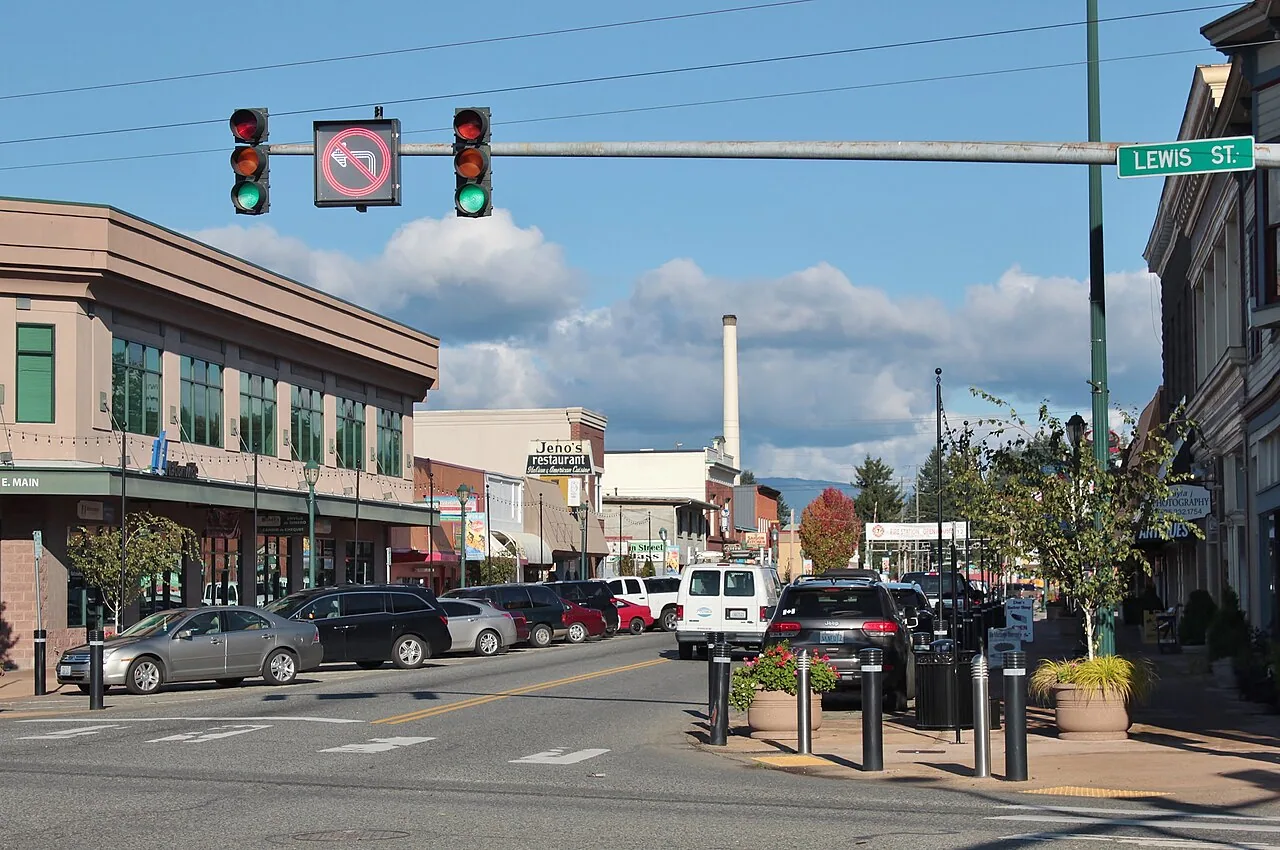
Coordinate around retail and industrial activity
Monroe's regional role includes retail, manufacturing, and industry. Monroe has retail destinations serving the Sky Valley, along with an industrial and manufacturing area. Confirm the actual use and work requirements at the property rather than assuming a roof type from its category. A retail building may have customer access and scheduled deliveries; an industrial site may have production or equipment shutdown limits. Each plan should reflect what the site contact confirms.
US 2, SR 522, and SR 203 meet in Monroe, offering multiple routes for service mobilization. The property controls vehicle access, staging, and safe movement once a crew arrives. Confirm truck or lift setup, delivery windows, parking, and debris removal. If traffic or access restrictions affect a work window, describe that in the estimate. A repair plan should state how the building remains protected while crews work.
Map the roof before pricing repair quantities
Gather a roof plan, repair history, product or warranty records, leak date, and interior photos. Confirm where water appeared, what weather preceded it, whether it returned, and what contractor activity occurred above. On the roof, identify material where verifiable and check seams, curbs, drains, penetrations, edges, flashing, and prior patches. Mark each test point. On larger properties, use zone labels to connect a reported interior location with the roof section above.
Look for punctures, open seams, loose metal, sealant failure, movement, corrosion, or obstructed outlets. Photograph both the condition and surrounding area so another technician can relocate it. Ask whether HVAC or process equipment has been moved and request the work order. If there is no record of the installed system, identify what sample or field check would resolve it before specifying materials. A condition report can state what was observed and which areas could not be reached.
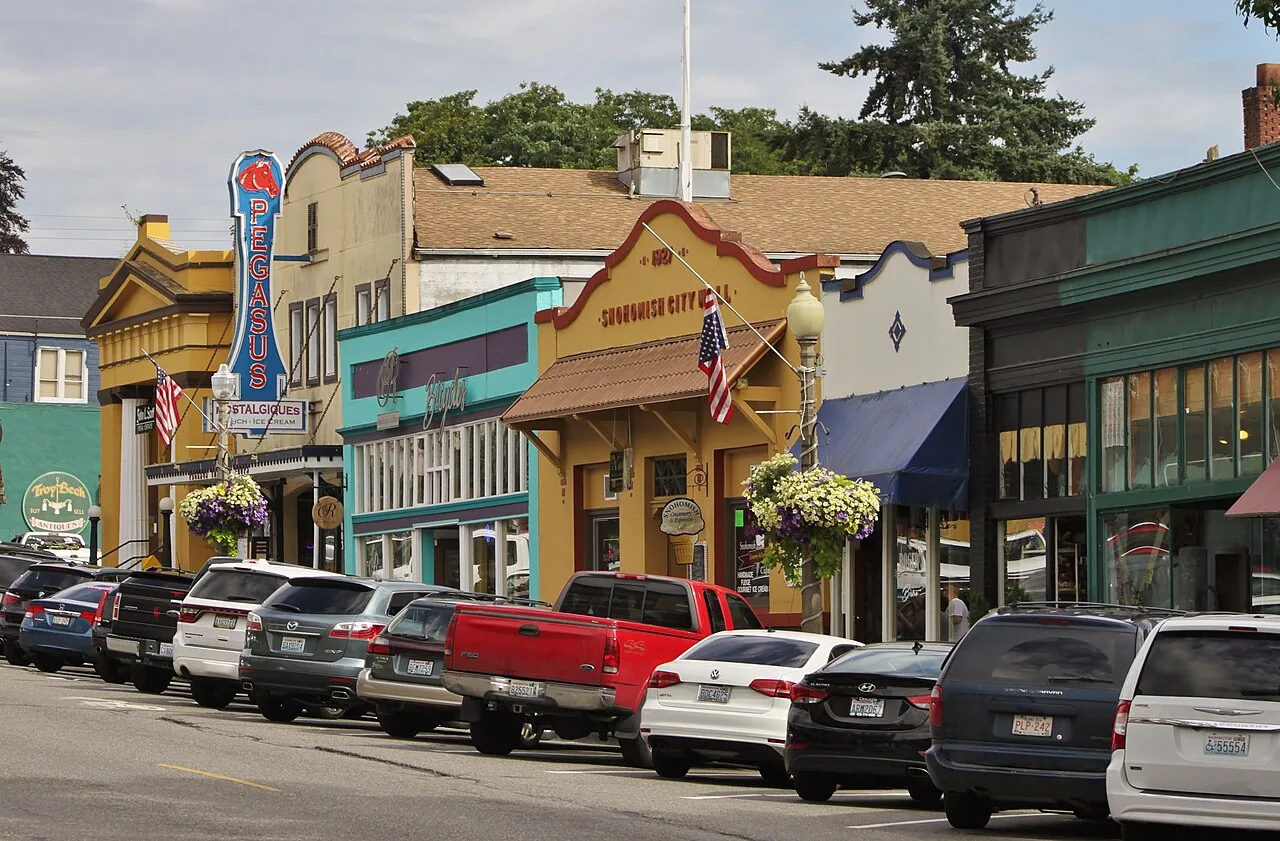
Trace the leak and check drainage paths
Compare the interior evidence with roof drains, scuppers, seams, wall transitions, penetrations, equipment, and edge metal. Water may travel before appearing in a shop, office, or work area. Record the report location and the confirmed roof detail separately. If a leak only appears in wind-driven rain or after a long storm, note that condition and arrange a test when access is safe. Do not extend the repair area beyond the evidence without explaining why.
Everett's climate normal is 40.25 inches of annual precipitation, with higher monthly totals in late fall and winter. Monroe roof work should include a drain check and a way to close an opened section before rain arrives. Keep outlets clear while materials are staged. If water remains in a low area, map its boundary and consider a repeat observation. A leak evaluation should state whether moisture testing or selective opening is needed before a permanent scope can be priced.
Inspect interfaces around equipment and service traffic
Industrial and manufacturing roofs may have exhaust, pipes, curbs, supports, and regular maintenance traffic, but verify which features exist at the site. Inspect around each installed interface for damaged flashing, movement, punctures, or water paths. Ask who is responsible for an equipment shutdown and who confirms restart. Keep roof traffic away from fragile areas and protect the membrane where repeated service access is expected.
Retail buildings have different needs: protect customers, deliveries, signage, and entrances below the work. If a roof job could affect ventilation or food-service exhaust, agree on timing and isolation with the operator. Monroe serves a regional retail area, so a property may schedule work around peak business hours. A maintenance visit can identify access hazards and record repairs before the next wet season. Keep those notes tied to the building, not the broader city category.
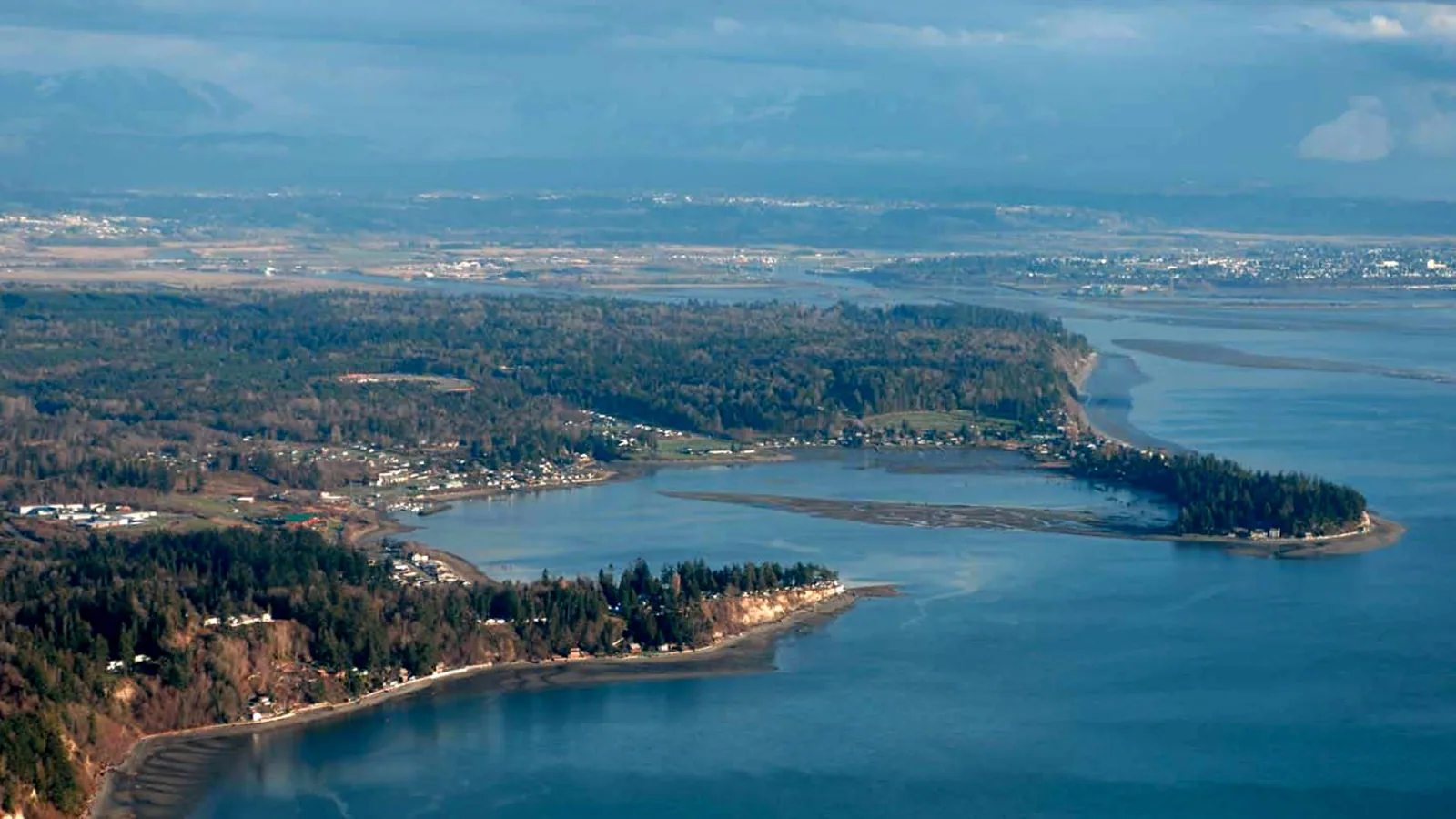
Compare an isolated repair with planned renewal
A repair estimate should include defect location, preparation, compatible material, tie-in detail, access, protection below, and a completion check. If removal may uncover wet insulation or deck deterioration, set an approval point and unit price for added work. Label temporary dry-in as provisional and define when permanent work will follow. The owner should know what the scope can solve and what still requires testing.
Replacement bids should state tear-off or recover, substrate work, insulation, cover board, membrane, attachment, edge metal, flashing, drainage, disposal, and warranty documents. Washington building and energy requirements apply to design and permitting; confirm current scope-specific requirements with the project team. A replacement proposal should disclose exclusions and compare equivalent quantities. A capital plan can sequence work using observed condition, leak history, and business impact rather than route proximity.
Keep the roof history useful for the next decision
Save inspection dates, roof plans, photos, system records, leak history, repairs, drain checks, test results, and warranty requirements. Record who can arrange access and what safety orientation is needed. If a contractor changes equipment or adds a penetration, ask for closeout photos and flashing information. For a repeated leak, compare the new location and conditions with the prior report.
Monroe's economic role serves regional retail and industrial activity in the Skykomish Valley. Owners can coordinate service across properties, but each building needs its own condition and maintenance record. Schedule inspection timing by system, age, prior repairs, warranty obligations, and operating consequence. A Marysville or Snohomish service date can be coordinated with a Monroe visit, while scopes and records remain separate. A follow-up inspection can check whether a completed repair remains intact.
US 2, SR 522, and SR 203 converge in Monroe, but a convenient highway route does not ensure the work area will be accessible. Confirm the property's approved entrance, staging limits, loading schedule, and whether traffic or equipment movement may be affected. If a lift requires setup in a shared lot, obtain approval and preserve fire lanes. For a manufacturing facility, arrange site orientation and shutdowns; for a retail property, protect entry and customer routes.
Plan how tools, debris, and temporary cover will move to and from the roof. Secure materials against wind and keep drains clear. At the end of each shift, confirm the building is weather-tight and the site contact knows any remaining risk. If wet conditions delay permanent work, record the temporary measures and the return date. A work plan that includes routes, access, and closeout can prevent a small repair from interrupting other site operations.
Make the repair decision clear to operations and finance
Closeout should identify the property and roof zone, what was tested, confirmed findings, completed work, and open questions. Attach marked photos and note access limits. Separate a temporary response from permanent work. If replacement is recommended, show the condition evidence and assumptions behind the quantity. Give the owner a next action and the person responsible for it.
Monroe's highway connections and regional economic role make it a useful base for service to retail, manufacturing, and industrial properties. They do not tell the owner what is happening on one roof. The report should reflect the building's verified assembly and operating constraints. Keep the project file current as the property changes and pass the access notes to future facilities staff. That record supports a decision whether to repair now, test more, or plan renewal.
Commercial Roofing Questions
What businesses does Monroe serve?
Monroe serves as a regional hub for retail, manufacturing, and industry in the Skykomish Valley.
Which highways meet in Monroe?
US 2, SR 522, and SR 203 converge in the city and connect it to regional markets.
Does Monroe's industrial area determine a building's roof design?
No. Confirm the materials, access, and condition at the property before selecting a repair or replacement system.
What should a roof inspection include?
Document the roof zone, seams, penetrations, drains, edges, reported interior condition, photos, tests, and limitations.
Questions Owners Ask
What businesses does Monroe serve?
Monroe serves as a regional hub for retail, manufacturing, and industry in the Skykomish Valley.
Which highways meet in Monroe?
US 2, SR 522, and SR 203 converge in the city and connect it to regional markets.
Does Monroe's industrial area determine a building's roof design?
No. Confirm the materials, access, and condition at the property before selecting a repair or replacement system.
What should a roof inspection include?
Document the roof zone, seams, penetrations, drains, edges, reported interior condition, photos, tests, and limitations.
Get a roof assessment for the property you operate
Request commercial roofing service in Monroe. We will document the assembly, drainage, access plan, and practical next steps.
Related Roofing Work
- Commercial Roof Inspection
- Commercial Roof Repair
- Commercial Roof Condition Reports
- Commercial Roof Leak Repair
- Preventive Roof Maintenance
- Commercial Roof Replacement
- Marysville
- Snohomish
Browse every page in Service Areas, or request a roof assessment and we will walk the roof with you.
Questions about this roof? Call 555-555-5555.