Commercial Roof Repair, Replacement & Maintenance
Soprema Commercial Roof Systems in Everett, WA
A Soprema product name may appear in a roof record, but the actual assembly needs field confirmation before a repair or replacement is proposed. The company offers several commercial roofing families, including modified bitumen, PVC, and liquid-applied materials; each uses different details and installation controls. Identify the existing roof layers, transitions, and earlier work before selecting compatible materials. Everett's industrial waterfront, Paine Field area, and Metro Everett contain a varied mix of properties, so access and operations differ by site. A roof inspection establishes the observed condition, while a modified-bitumen review or repair assessment can address the verified assembly.
Identify the roof family and installed layers
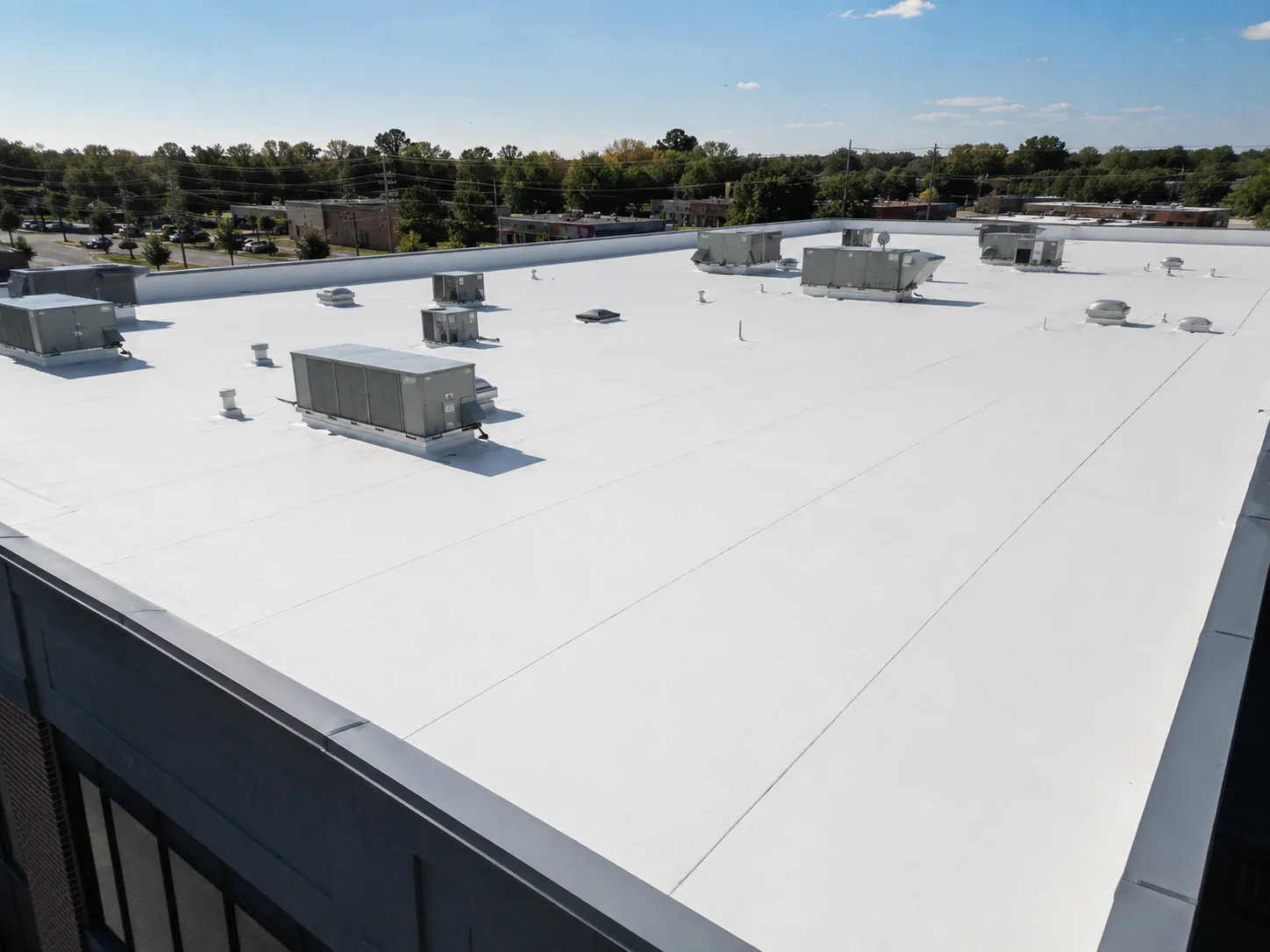
Soprema's commercial portfolio includes more than one roof technology. A modified-bitumen system may include a base sheet, cap sheet, interply layers, and surfacing. A single-ply PVC section uses different seam and flashing details; liquid-applied materials require their own substrate preparation, reinforcement, and thickness checks. Do not infer which system is present from a single roof label or color. Compare field observations with approved submittals, invoices, warranty records, and prior inspection notes.
Record transitions between additions and older roof sections. A building may have multiple layers, overlays, or repairs that obscure the original product. At penetrations, note the flashing material and how it meets the field membrane. If product identity is uncertain, make it a limitation in the report and identify what further test or sample could resolve it. A repair specification should state the system being addressed, not simply list a manufacturer name. For side-by-side comparisons, check Sika Sarnafil against the same project criteria.
Inspect modified-bitumen seams and surfacing
For a modified-bitumen roof, look at laps, flashing returns, cap-sheet surfacing, field splits, blisters, and transitions at curbs and walls. Determine whether the assembly is smooth-surfaced, mineral-surfaced, or protected with another finish. Exposed reinforcement or displaced surfacing can indicate wear, but the repair boundary still needs to be established by inspection. Check whether a prior coating or patch has bridged a split without correcting movement or wet insulation below.
Use close-up photographs and locations on a plan to distinguish a linear lap concern from scattered surface wear. Heat-applied work requires controls for ignition risk, adjacent materials, and building operations; a cold-applied detail may have different substrate and weather limits. Do not call a repair suitable until the existing layers and moisture condition are understood. In Everett's wet season, plan the work window and protection for opened sections. Temporary dry-in measures should identify how long they are expected to remain and what permanent follow-up is required.
Treat PVC seams and flashing as a separate system
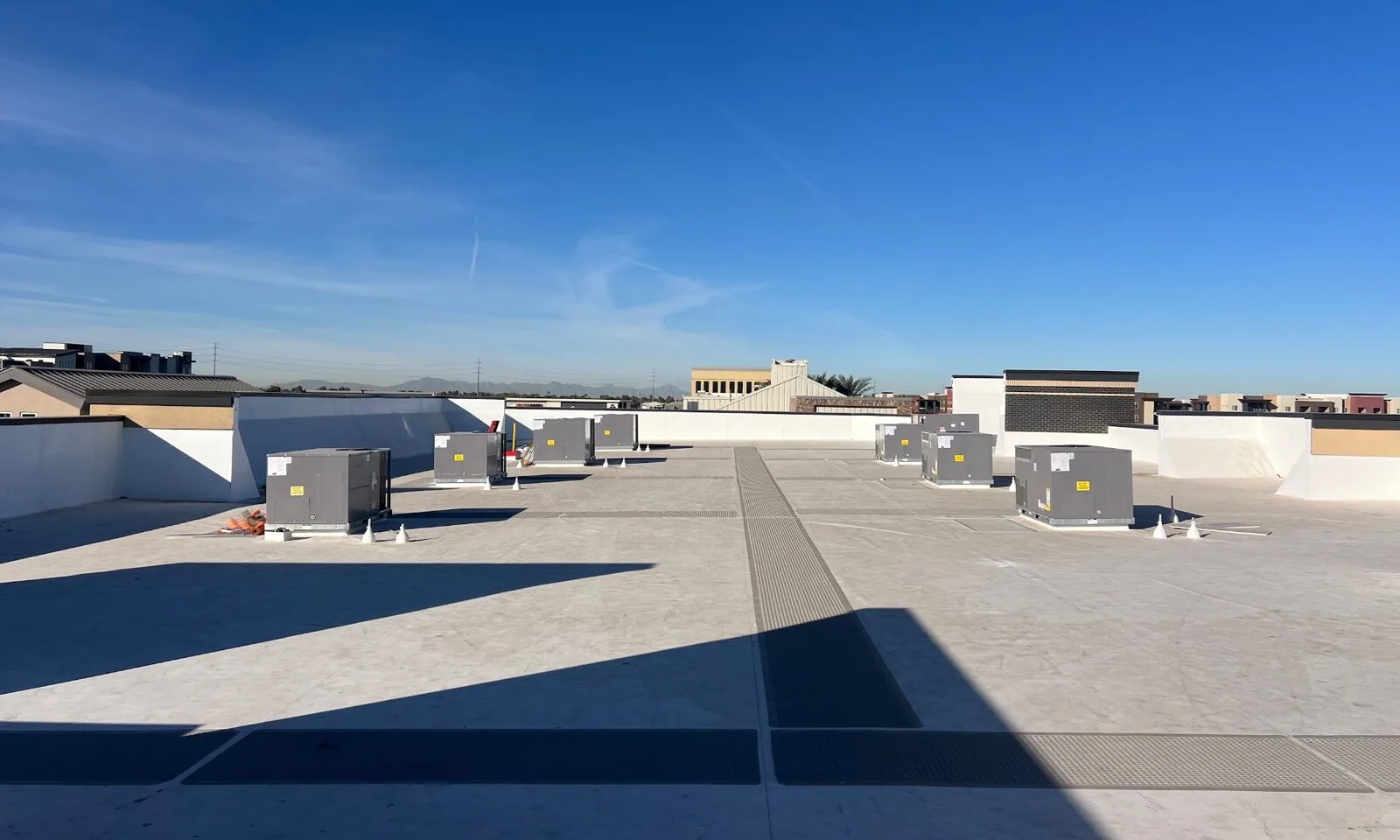
Where records show a Soprema PVC assembly, inspect heat-welded seams, T-joints, patches, wall terminations, and penetration flashing. Probe accessible welds and mark each tested segment. Surface dirt or aging can make visual review inconclusive; a controlled cleaning and test may be needed. A suspected defect should be tied to the area of the interior report, but a leak may travel along insulation or deck before appearing inside.
Do not use modified-bitumen repair materials on PVC simply because both products are in the same manufacturer portfolio. Confirm the membrane and compatible materials first. Check whether coated metal, drain rings, walk pads, or prior patches interrupt a standard detail. If the PVC ends at another system, sketch the transition and state what should be removed or retained. Everett's approximately 51 annual freezing-minimum days create occasional freeze-thaw exposure; the observation informs inspection timing but does not establish a specific seam failure.
Review liquid-applied areas for substrate and coverage
A liquid-applied restoration or flashing system depends on a sound substrate, preparation, reinforcement at required transitions, and the correct cured film thickness. Look for pinholes, thin spots, cracking, delamination, fishmouths in reinforcement, and unsealed terminations. Map the inspected area and note whether the material is continuous into drains, curbs, and parapets. A glossy surface alone does not confirm an adequate installation or remaining service life.
Before recoating or repairing, establish whether the existing material is compatible and whether trapped moisture or corrosion is present below. Test representative locations and document the method. If the substrate is wet, unstable, or contaminated, a surface coat may conceal the issue rather than resolve it. Product instructions and project-specific submittals govern preparation, weather limits, coverage, and cure. Owners should receive the actual system records and any maintenance conditions, not just a product family name.
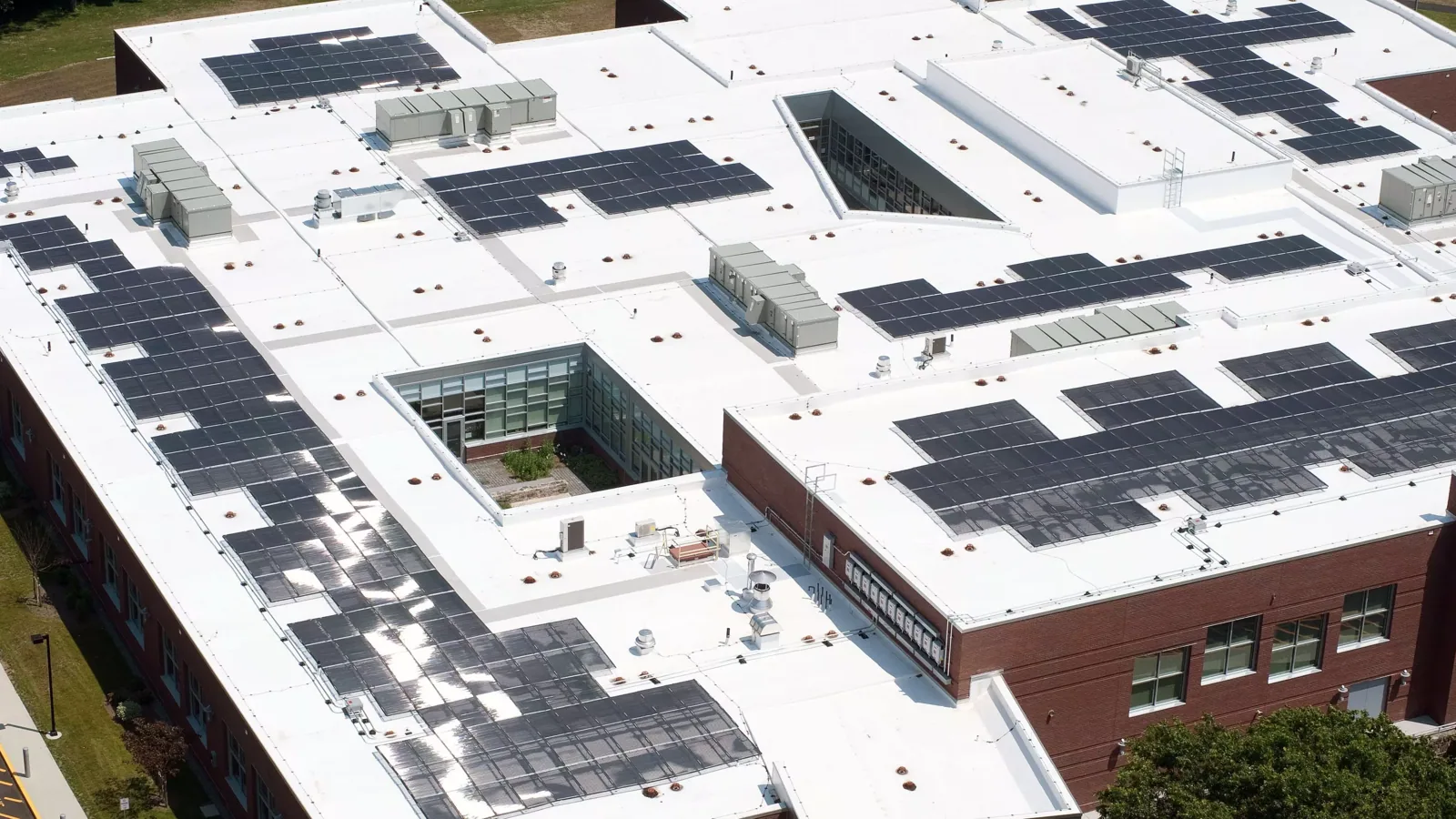
Make drainage and moisture a separate work item
Check every accessible drain, scupper, overflow, sump, and discharge point. Photograph strainers and clamping components, and note debris, movement, corrosion, or missing parts. Look around the outlet for membrane separation and prior sealant. Distinguish a wet roof after rain from a recurring low area using a follow-up observation or suitable survey. If water is entering the building, document the interior location, date, recent conditions, and any mechanical or plumbing sources that should be ruled out.
Everett's annual precipitation normal is about 40.25 inches, with the greatest monthly normals in late fall and winter. This makes drain access and seasonal inspection practical maintenance considerations, not proof of a drainage defect. Pair a drainage finding with preventive maintenance or a ponding evaluation when evidence supports the scope. On waterfront or manufacturing properties, schedule work around cargo handling, shift operations, and roof access controls to avoid creating a separate operational problem.
Price a full assembly with project limits stated
A replacement proposal should describe removal, substrate repair, insulation, cover board, membrane or surfacing, attachment, edge metal, penetrations, drainage changes, and protection of occupied areas. State assumptions for concealed conditions and define unit prices for extra wet insulation or deck replacement when appropriate. Compare proposals on a common scope so a lower number does not simply omit preparation or perimeter work.
Washington's adopted building and energy codes apply to design and permitting. Confirm current requirements for the specific building and project; product literature does not resolve code questions. A phased project needs secure temporary transitions and a clearly defined boundary between completed and remaining sections. For a portfolio owner around Everett, Marysville, or the Port, rank buildings by observed condition and business impact rather than applying one assembly everywhere. A capital plan should preserve the inspection findings, expected sequencing, and budget assumptions behind each recommendation.
Retain records that support the next roof decision
Closeout documents should identify product names, system type, layers, attachment, flashing, drain work, repair materials, photos, and test locations. Keep approved substitutions and warranty paperwork with the roof plan. Note areas not inspected, temporary measures, and open follow-up items. If later leaks occur, a record with marked locations and photographs lets a service crew compare the new report with prior conditions.
Owners coordinating sites around the Metro Everett area, the Port, and Paine Field can use one portfolio register while keeping a distinct assembly history for each building. Record the contact responsible for access and the safety requirements for each property. Set dates for drain service, post-repair checks, or further moisture testing where those actions are warranted. A condition report can support annual budgeting; a separate manufacturer warranty file should govern warranty obligations. The Duro-Last page offers another product-family comparison, but project details remain building-specific.
Commercial Roofing Questions
What commercial roof types does Soprema make?
Its commercial portfolio includes modified-bitumen, PVC, and liquid-applied systems. Identify the exact installed assembly before planning work.
Can a coating be applied over any existing roof?
No. Substrate condition, moisture, compatibility, preparation, reinforcement, and project requirements determine whether restoration is appropriate.
Does an interior leak prove the roof membrane failed?
No. Trace the report and inspect drains, penetrations, walls, and nearby systems; water can travel before it appears indoors.
Which documents should an owner keep after roofing work?
Retain product submittals, layer and attachment details, marked plans, photographs, test results, approved changes, and warranty documents.
Questions Owners Ask
What commercial roof types does Soprema make?
Its commercial portfolio includes modified-bitumen, PVC, and liquid-applied systems. Identify the exact installed assembly before planning work.
Can a coating be applied over any existing roof?
No. Substrate condition, moisture, compatibility, preparation, reinforcement, and project requirements determine whether restoration is appropriate.
Does an interior leak prove the roof membrane failed?
No. Trace the report and inspect drains, penetrations, walls, and nearby systems; water can travel before it appears indoors.
Which documents should an owner keep after roofing work?
Retain product submittals, layer and attachment details, marked plans, photographs, test results, approved changes, and warranty documents.
Confirm the Soprema assembly before work
Arrange an Everett commercial roof evaluation to identify the installed system, inspect transitions and drainage, and define a repair or renewal scope.
Related Roofing Work
- Commercial Roof Inspection
- Commercial Roof Repair
- Sika Sarnafil Commercial Roofing
- Preventive Roof Maintenance
- Ponding Water Roof Repair
- Commercial Roof Capital Planning
- Metro Everett
- Duro-Last Commercial Roofing
Browse every page in Roofing Manufacturers, or request a roof assessment and we will walk the roof with you.
Questions about this roof? Call 555-555-5555.