Commercial Roof Repair, Replacement & Maintenance
GAF Commercial Roofing Systems in Everett, WA
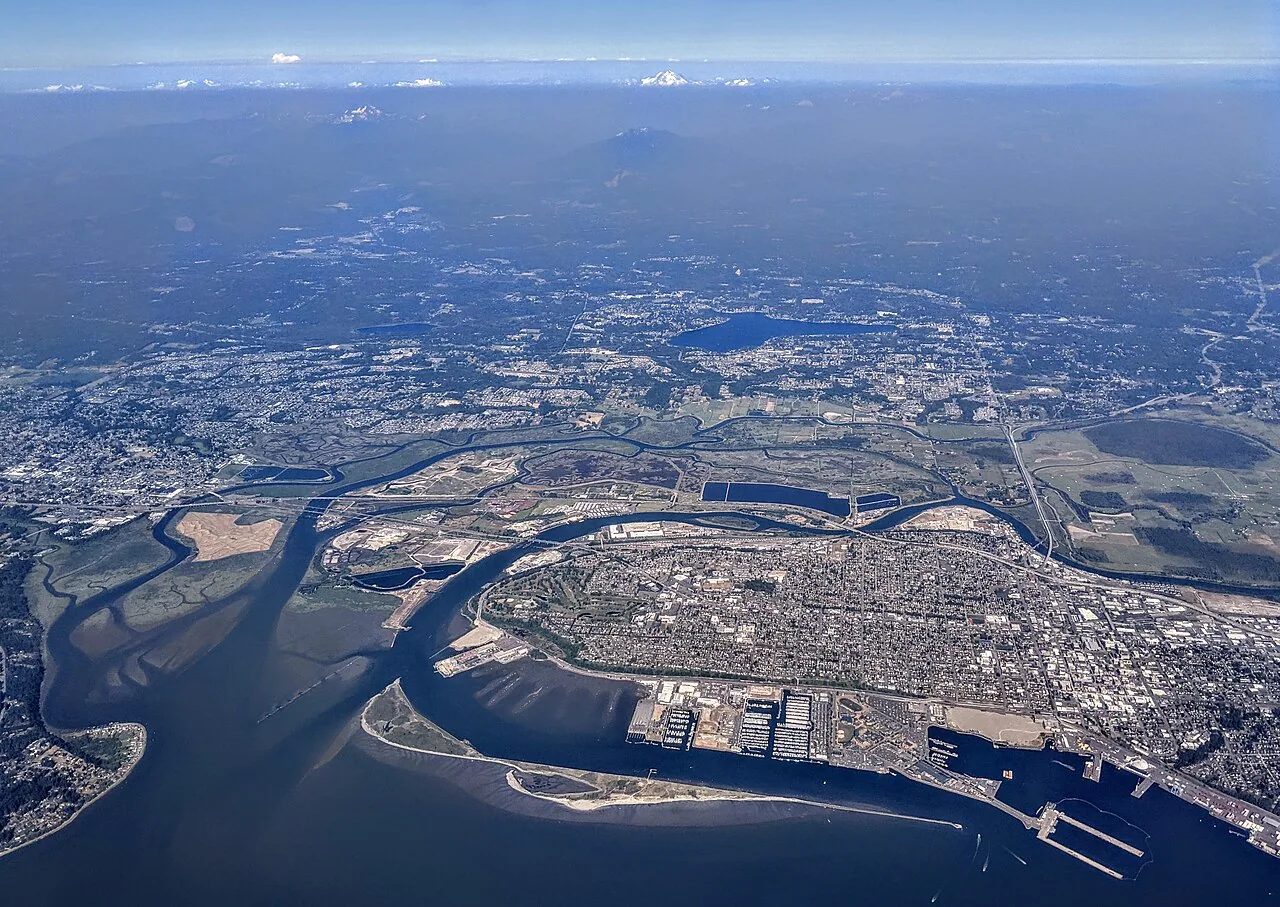
A white membrane beside rooftop grease exhaust, fuel handling, or weathered equipment needs a system review grounded in the building's exposure. GAF's commercial portfolio includes EverGuard TPO, PVC, PVC KEE, asphaltic systems, and coatings, with adhered, mechanically attached, induction-welded, and other assemblies. We inspect the existing roof, identify the membrane and transitions, then compare a proposed system with the actual use and substrate. Everett's Port and the Everett Industrial Waterfront sit alongside Paine Field aviation and manufacturing areas, creating varied operating settings; none determines a particular building's roof choice. A commercial roof inspection establishes field conditions before a TPO comparison or other system review.
Compare TPO and PVC against the roof exposure
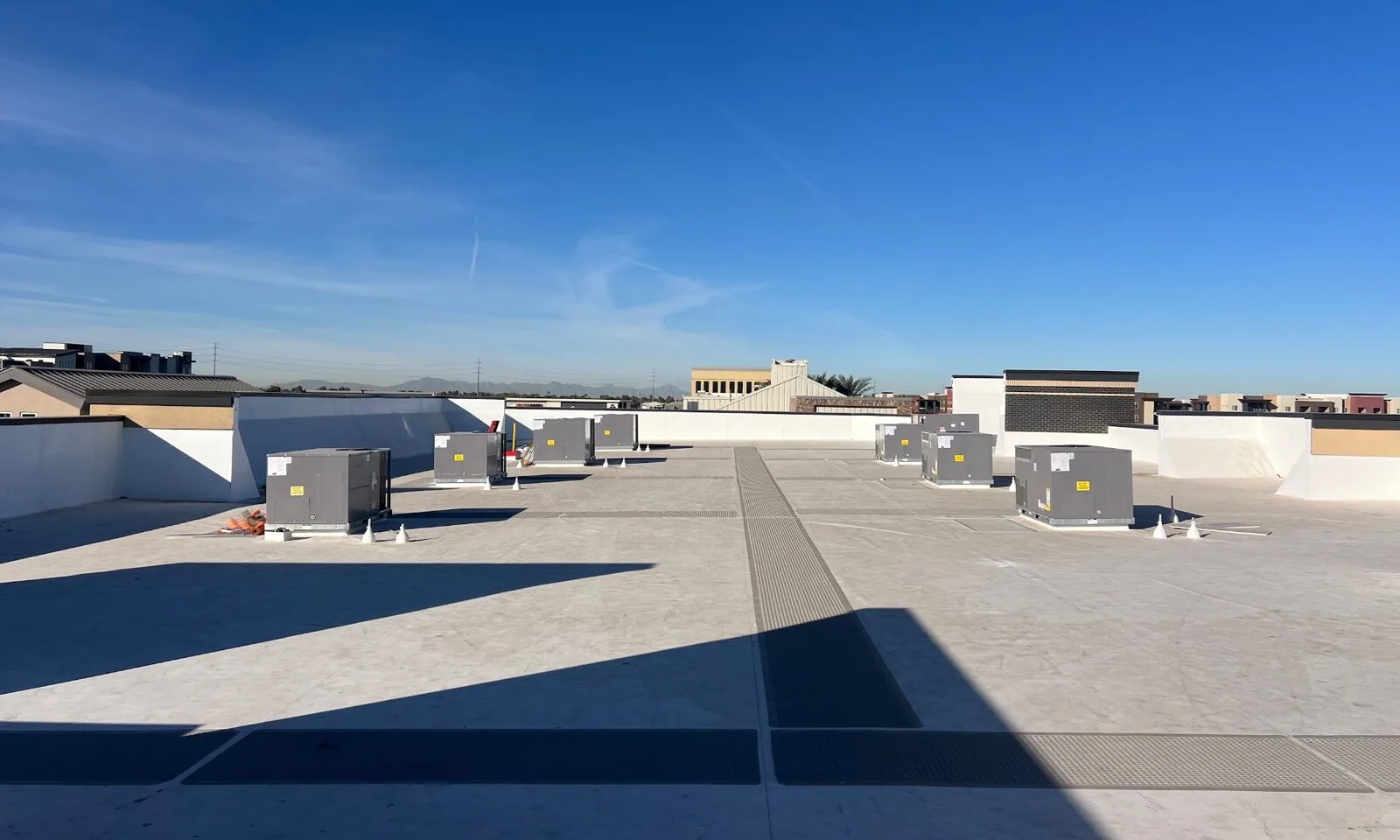
EverGuard TPO and PVC are heat-weldable thermoplastic membranes, but their chemistry and application considerations differ. PVC can be considered where a roof faces chemical, grease, or oil exposure; confirm the actual exposure, compatible assembly, and written system requirements before specifying it. TPO may suit many general commercial roof conditions. Neither product name by itself proves compatibility with a process exhaust or spill risk.
We inspect the surrounding details, drainage, penetrations, and equipment arrangement, then identify where chemical exposure or service access could affect the membrane. At the Port of Everett and in industrial areas near the BNSF Delta rail yard, local industrial uses include shipping, receiving, warehousing, and manufacturing. Those are market facts, not a substitute for the facility's own process inventory. A PVC system review can compare the confirmed roof exposure and welded detail with the current assembly.
Choose attachment from the deck and uplift design
Available single-ply attachment configurations include adhered, mechanically attached, induction-welded, and ballasted systems; the deck and project design determine which options fit. The selection depends on deck type, existing layers, wind design, insulation arrangement, and project details. A membrane installation method cannot be chosen from roof area alone. Review the project wind design, deck type, roof height, perimeter conditions, and any existing fastening data. If the building remains occupied, the crew's access and temporary closure plan may also affect the choice. The owner should see how each attachment method influences tear-off, protection, substrate preparation, and future repair access, not simply how the membrane is fixed to the deck. We review available drawings and field conditions, including edge and corner zones, parapets, and changes in height, then coordinate the proposed assembly with the design professional's requirements.
On a retrofit, verify whether the existing roof can accept a recover and what substrate or moisture conditions require removal. An adhered assembly may need a suitable substrate and compatible adhesive; mechanical attachment requires a fastening pattern and deck capacity. Induction welding follows a specific plate and membrane assembly. A replacement evaluation can separate tear-off and recover options, while a survey can map conditions before an acquisition or capital decision.
Treat seams and penetrations as field details
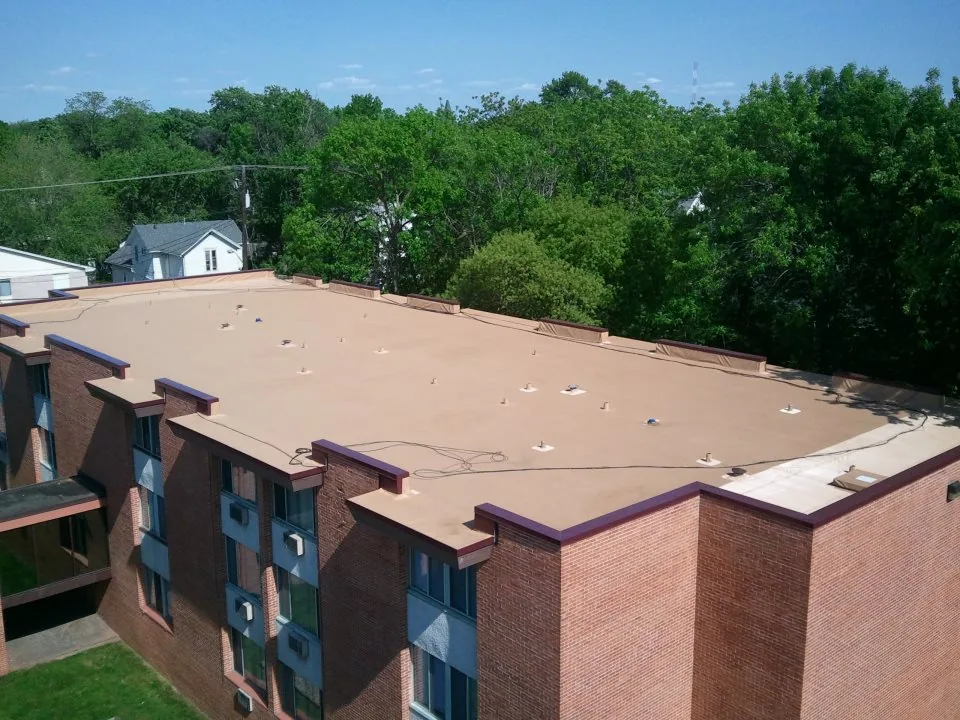
Heat-welded seams depend on clean surfaces, appropriate equipment settings, and a consistent weld across the lap. Weather, membrane temperature, contamination, and technician setup can change the result. We test welds during installation and inspect corners, T-joints, penetrations, and terminations where a small workmanship variation can leave a water path. Factory-made accessories may reduce some field fabrication, but the installer still must make compatible, sound transitions at the roof.
Everett's wet season places a premium on secure daily tie-ins and dry substrate preparation. Those are schedule controls, while leak diagnosis still depends on roof-specific observations. A seam inspection can distinguish a weld issue from an adjoining flashing defect. We record the test location and outcome so maintenance staff can find the checked area later.
Review complete assembly layers, not the membrane alone
A commercial roof assembly includes deck, vapor control where designed, insulation, cover board, attachment, membrane, edges, drains, and penetrations. GAF system specifications show different layer packages for different use and attachment conditions. We verify the existing substrate and roof build-up before preparing a replacement scope. If the deck or insulation is concealed, identify sampling or demolition needed to confirm it before the price is treated as fixed. Also record where insulation thickness changes, how the drain bowl meets the new membrane, and whether perimeter height remains adequate after the build-up. These details can affect the tie-in and water path even when the field membrane choice is settled and priced for construction.
For a cold storage facility, temperature and vapor drive can make assembly design especially consequential. A warehouse or aircraft support building brings different access and equipment constraints. Everett's Paine Field tenant area includes hangars, maintenance, and airport-support buildings, while the Port supports marine cargo and warehouse uses. These clusters explain local building variety; the engineer and manufacturer details govern an individual project. Cold-storage roof planning and hangar roof review should each follow the building-specific assembly.
Keep warranty terms separate from system comparison
Warranty eligibility and requirements depend on the selected products, installation, required inspections, and contractor status; confirm the applicable terms for the proposed assembly. We do not assume a coverage term or eligibility. Before bidding, identify the requested warranty, components, inspections, and closeout documents in the project requirements, then confirm the current manufacturer's conditions for that exact assembly.
When comparing options, use the same roof boundary and call out differences in insulation, cover board, attachment, edge work, tear-off, and access. The warranty file should match the product and installation records; Carlisle systems and Versico assemblies provide separate manufacturer options for a scope comparison. The owner can weigh the documented design and service requirements without relying on an unsupported brand ranking.
Record what was installed and tested
Keep approved submittals, membrane and insulation identification, fastening or adhesive records, weld tests, photographs, and any field changes with the closeout. A future repair depends on knowing the actual system and accessories. Include the final roof plan, closeout inspection, and any approved substitutions, especially where different assemblies meet at an expansion joint or addition. Facilities staff can use those details to order compatible repair material and avoid cutting into an unknown layer stack. Store the record with the building's maintenance history and update it after every later penetration or rooftop unit replacement. If the installation differs from the bid assembly, show the approved change and the roof area it affects. This information supports later maintenance and reduces uncertainty during leak response. For a GAF assembly, confirm the exact membrane, insulation, attachment, edge details, and required inspections before comparing warranty options.
Provide roof plans, known chemical or process exposures, deck information, access limits, and desired warranty requirements before the inspection. We will identify current conditions, compare compatible GAF system paths, and show the details that need design or manufacturer confirmation. For a property near Paine Field and Boeing Center, Metro Everett, or the Port, logistics can affect material staging, but installation remains specific to the building. A clear report lets the owner review system tradeoffs and the evidence behind the proposed assembly. For a GAF assembly, confirm the exact membrane, insulation, attachment, edge details, and required inspections before comparing warranty options.
Commercial Roofing Questions
Does TPO work for every commercial building?
No. Confirm the roof use, chemical exposure, deck, drainage, attachment, and project requirements before selecting a system.
When might PVC be considered instead of TPO?
A designer may evaluate PVC where specific chemical or grease exposure is relevant. Confirm the exposure and the exact assembly requirements.
Can a recover use any GAF membrane?
No. Existing layers, moisture, substrate, and system details govern recover eligibility.
What records should remain after membrane installation?
Keep approved submittals, roof plan, product details, attachment records, weld checks, photos, changes, and applicable warranty documentation.
Does a GAF product name confirm warranty coverage?
No. Coverage depends on current manufacturer terms, system components, installation, inspections, and eligibility requirements.
Questions Owners Ask
Does TPO work for every commercial building?
No. Confirm the roof use, chemical exposure, deck, drainage, attachment, and project requirements before selecting a system.
When might PVC be considered instead of TPO?
A designer may evaluate PVC where specific chemical or grease exposure is relevant. Confirm the exposure and the exact assembly requirements.
Can a recover use any GAF membrane?
No. Existing layers, moisture, substrate, and system details govern recover eligibility.
What records should remain after membrane installation?
Keep approved submittals, roof plan, product details, attachment records, weld checks, photos, changes, and applicable warranty documentation.
Does a GAF product name confirm warranty coverage?
No. Coverage depends on current manufacturer terms, system components, installation, inspections, and eligibility requirements.
Compare the system with the roof in front of you
Schedule an Everett roof inspection. We will identify the existing assembly, exposure, and repair boundary before comparing compatible GAF system options.
Related Roofing Work
- Commercial Roof Inspection
- TPO Roofing
- PVC Roofing
- Commercial Roof Replacement
- Commercial Roof Seam Failure Repair
- Commercial Roof Warranty Management
- Carlisle SynTec Commercial Roofing Systems
- Versico Commercial Roofing Review
Browse every page in Roofing Manufacturers, or request a roof assessment and we will walk the roof with you.
Questions about this roof? Call 555-555-5555.