Commercial Roof Repair, Replacement & Maintenance
Commercial Roof Due Diligence Surveys in Everett, WA
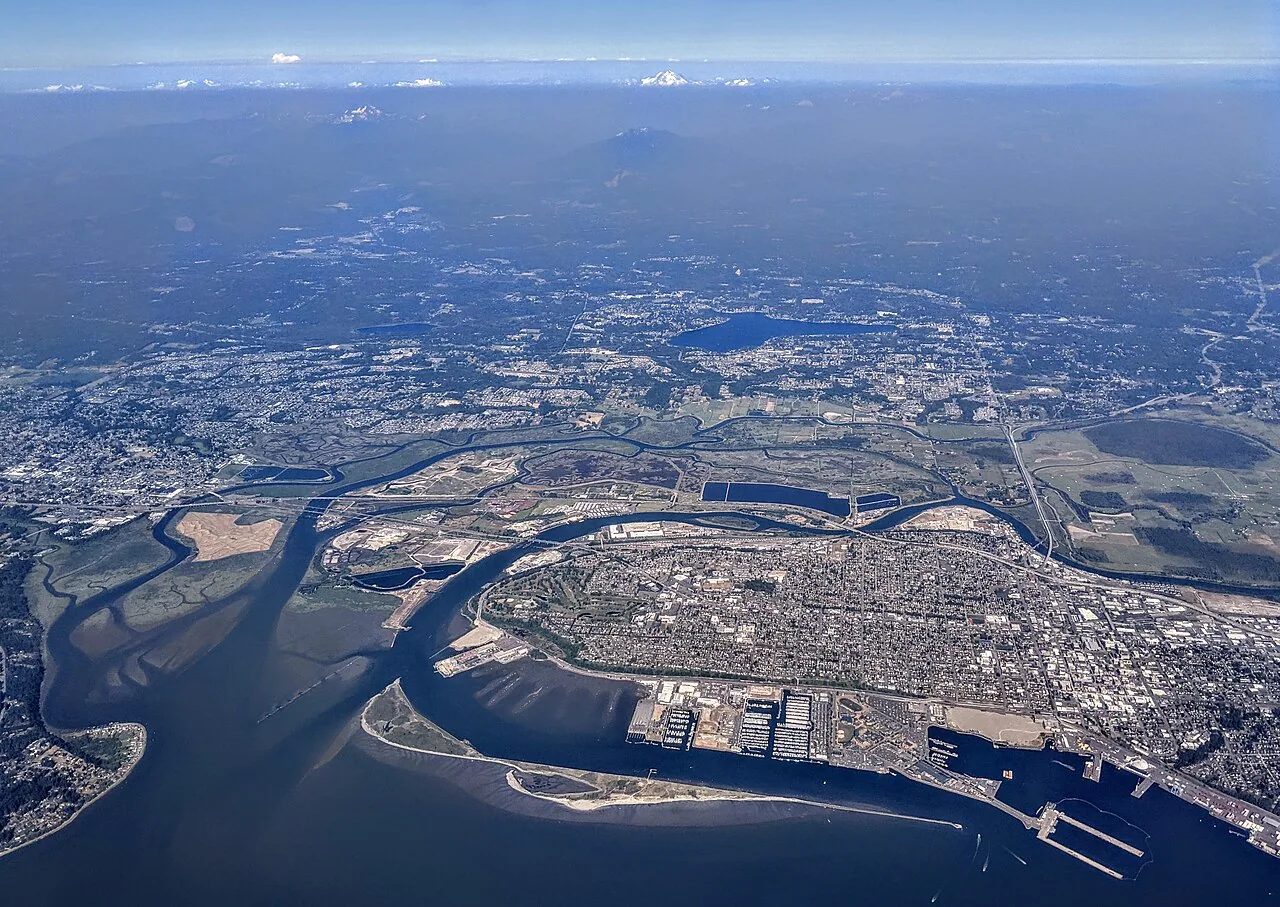
A roof condition can shift the cost and timing of an acquisition, but a walk-through cannot confirm what remains concealed beneath the membrane. We inspect accessible areas, identify the assembly where possible, trace reported leaks, and document the tests needed to reduce uncertainty. The survey gives buyers, lenders, and owners a roof-specific record, not an appraisal or a certain remaining-life finding. Everett's industrial properties around the Port and BNSF Delta rail yard sit alongside offices in Metro Everett and aviation support at Paine Field. A commercial roof survey captures field conditions, and capital planning can use the findings to compare repair and replacement options.
Review the available roof history before the site visit
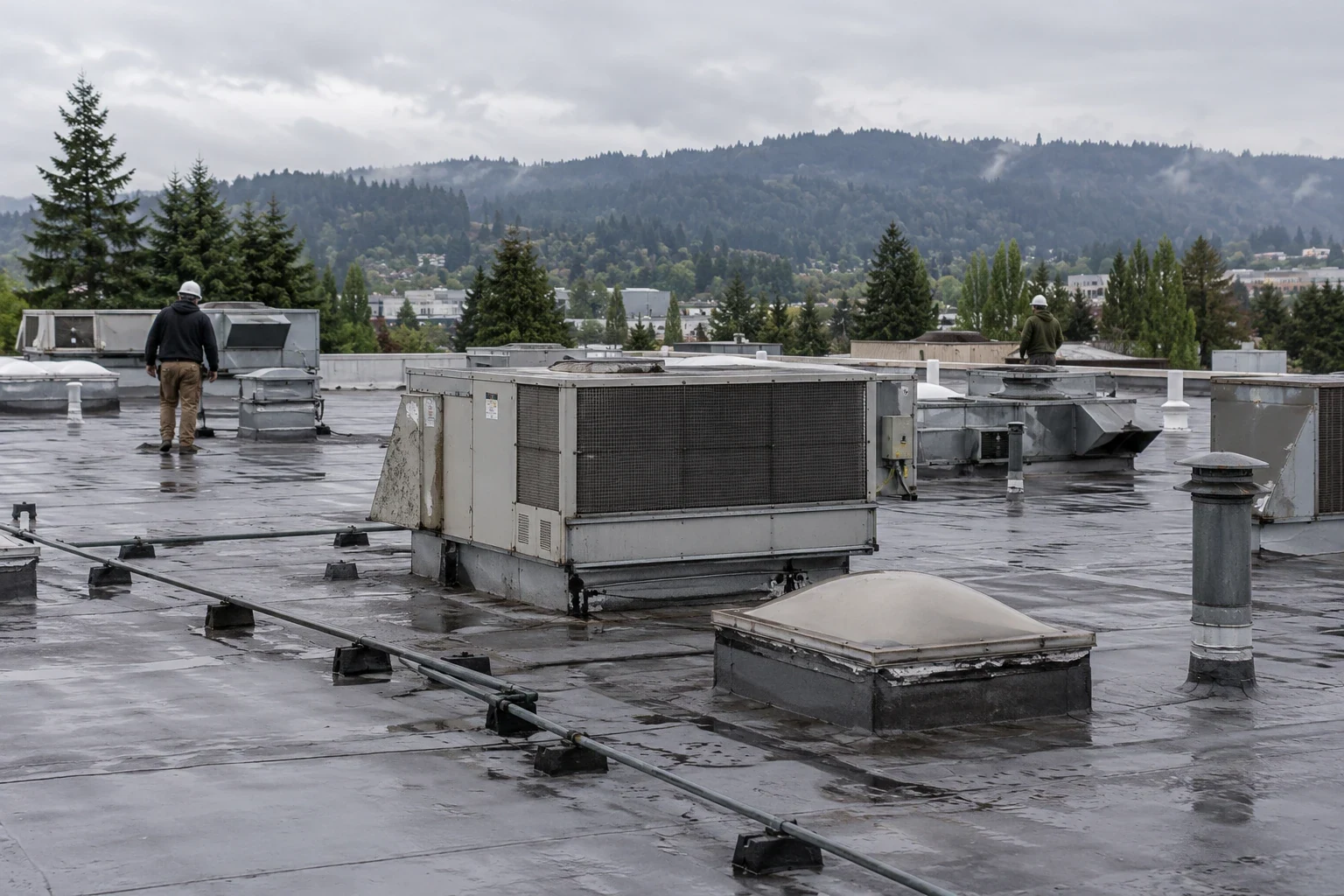
Collect roof plans, prior proposals, project closeout, warranty documents, maintenance logs, leak reports, and equipment work before inspecting. Compare the records with current roof access points and visible transitions. If two documents identify different systems or installation dates, flag the discrepancy rather than selecting whichever seems more favorable. A roof section added later may have a separate assembly and should be listed independently.
The Port and BNSF Delta rail yard support marine cargo and freight activity, while aerospace, warehousing, and manufacturing shape other local industrial sites. Those uses help frame operating constraints but do not establish a specific property's roof age or condition. The seller or property manager controls available records; our report distinguishes supplied documents from observed conditions. Note when the roof was last repaired, whether contractors opened or recovered the assembly, what warranty paperwork exists, and whether there are recurring leak locations. If records conflict, list the conflict and its possible effect on scope instead of smoothing it into a single history. The buyer can then decide whether additional access, sampling, or a specialist review is warranted before relying on a budget figure. A survey date matters as well: a roof inspected before a tenant improvement or equipment replacement may not represent the current surface. Identify any work completed after the last report and request updated photos or access when a transaction decision depends on it. If the inspection window is brief, prioritize the buildings with active leak history, differing roof assemblies, or incomplete closeout records, then mark all other limitations plainly. A transaction calendar should leave time to review any discovered condition and obtain clarification while the property remains accessible to the buyer's full advisory team. An asset register can help organize building-level history, while a warehouse survey may require high-bay access planning and interior protection.
Inspect the assembly and accessible roof details
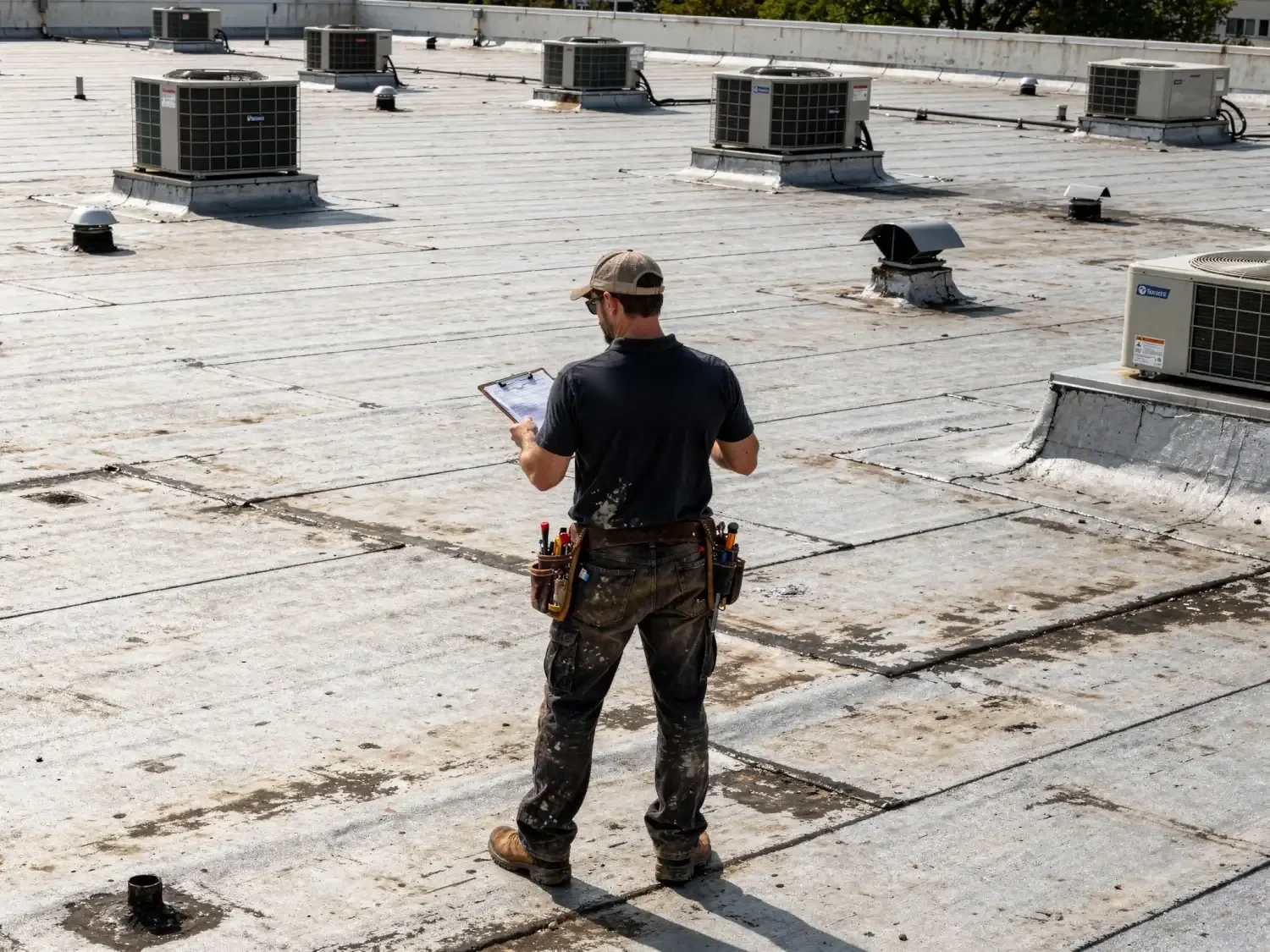
On site, record roof sections, membrane or metal type, visible layer count, drainage, seams, flashing, curbs, edge conditions, and roof access. Note conditions that appear repaired or altered, and photograph the locations on a roof plan. A visual review can identify open details or wear, but it cannot verify the condition of every fastener, insulation layer, or deck. The survey should say whether a roof section was walked, viewed remotely, or not reached.
At a multi-tenant or operating property, confirm access and staging with the owner's representative. At Paine Field-area properties, confirm entry rules and equipment routes with the site contact before scheduling an inspection. We use the building's actual rules and assembly. A drone survey may supplement visual coverage where roof access is limited, while a hands-on inspection is needed for surface tests and close detail evaluation.
Reconcile leak reports with the roof map
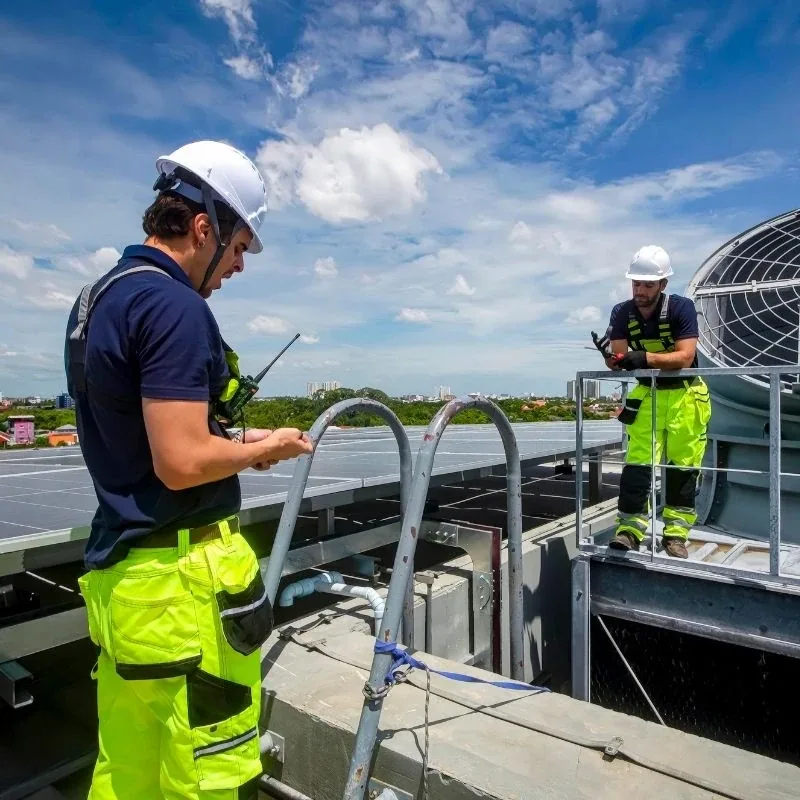
Ask where and when water appeared, what repairs followed, and whether the issue returned. Plot those reports against roof slope, drains, seams, equipment, and building additions. A ceiling stain may remain after the source is closed, while a dry interior on inspection day does not establish that the roof has no active path during rain. The report distinguishes current observation from historic owner statements and notes whether the source was confirmed.
If an acquisition decision depends on insulation moisture, propose targeted sampling and define the number and location of tests. An infrared scan can help select areas under suitable conditions but cannot confirm wet material by itself. A moisture survey can narrow the scope; direct sampling may still be required. If testing is not authorized before closing, identify the cost assumption or contingency rather than labeling untested material as dry.
Describe near-term work without promising roof life
Translate each observed condition into a clear repair or follow-up item, with photos, roof zone, access assumptions, and testing limits. If the roof has an active opening, show immediate stabilization separately from permanent work. If deterioration appears broader, define what additional testing would support a replacement scope. Avoid a single remaining-life number unless a qualified design process and sufficient evidence support it.
Washington applies the 2021 International Building Code and commercial energy code through state amendments. A recover, replacement, or major alteration should be reviewed by the project team for applicable design and permitting requirements. The survey identifies the existing roof and observed concern; it does not decide code compliance. Drainage findings and flashing findings should be priced as distinct scopes when they involve different materials or access.
Account for Everett weather and property access
Everett's annual precipitation normal is 40.25 inches, and late fall through winter brings its wettest monthly periods. A survey scheduled in that season may need dry-in planning if samples are taken. The climate pattern informs timing; actual moisture testing and surface conditions determine what the report can say. Occasional freezing nights can also affect access and installation windows for immediate work.
For a property in the Metro Everett core, tenant or public access can influence inspection hours. At an industrial site near Everett Industrial Waterfront, freight and security may affect material staging. We identify site-specific restrictions, whether ladders or lifts are needed, and which sections could not be evaluated. That information helps a buyer decide whether to authorize additional access or testing before a transaction milestone.
Deliver a survey the transaction team can use
The final file includes the building and roof map, record set reviewed, visible system details, dated photographs, leak history supplied, test results, and open questions. Each recommendation names the affected area and the reason for the action. If a value depends on sampling or a permit review, state that separately. The report is technical input for the transaction team, not a purchase recommendation or coverage opinion.
Provide the transaction schedule, property access contact, prior inspection, lease or tenant restrictions, roof plans, and any known water reports. We will identify conditions visible during the survey and the additional information needed to refine the scope. Investment owners and property managers can carry the record into post-close maintenance. Paine Field, Port Gardner, and the broader Everett market offer different operational settings; each roof finding remains tied to the property inspected.
Commercial Roofing Questions
Can a roof survey verify remaining service life?
A visual survey can document condition and near-term needs, but it should not assign a remaining-life figure without sufficient system evidence.
What records should a buyer request?
Ask for roof plans, installation and repair records, warranties, leak reports, maintenance logs, and any recent equipment changes.
Can infrared testing replace a roof inspection?
No. It can guide sampling under suitable conditions, but the assembly and suspect areas need direct evaluation.
Should concealed moisture be tested before purchase?
If it could change the repair or replacement scope, define sample locations and authorization before the transaction decision.
Does a due-diligence report approve the property purchase?
It provides roof observations and scope assumptions for the buyer and advisors to evaluate; transaction approval remains with the buyer.
Questions Owners Ask
Can a roof survey verify remaining service life?
A visual survey can document condition and near-term needs, but it should not assign a remaining-life figure without sufficient system evidence.
What records should a buyer request?
Ask for roof plans, installation and repair records, warranties, leak reports, maintenance logs, and any recent equipment changes.
Can infrared testing replace a roof inspection?
No. It can guide sampling under suitable conditions, but the assembly and suspect areas need direct evaluation.
Should concealed moisture be tested before purchase?
If it could change the repair or replacement scope, define sample locations and authorization before the transaction decision.
Does a due-diligence report approve the property purchase?
It provides roof observations and scope assumptions for the buyer and advisors to evaluate; transaction approval remains with the buyer.
Survey the roof before transaction assumptions become fixed
Schedule an Everett acquisition roof survey. We will inspect accessible areas, review records, and identify repair and testing needs with clear limits.
Related Roofing Work
- Commercial Roof Inspection
- Commercial Roof Capital Planning
- Commercial Roof Asset Management
- Warehouse Roofing
- Ponding Water Roof Repair
- Commercial Roof Flashing Failure Repair
- Metro Everett
- Commercial Roofing for Real Estate Investors
Browse every page in Roofing Capabilities, or request a roof assessment and we will walk the roof with you.
Questions about this roof? Call 555-555-5555.