

Commercial Roof Repair, Replacement & Maintenance
Commercial Roofing in Historic Downtown Snohomish, Snohomish, WA
Historic Downtown Snohomish is an active business district with antiques, boutiques, restaurants, coffee shops, professional services, creative businesses, and local shops. Roofing work here should protect occupied commercial space and coordinate with customer entrances, deliveries, and district activity. Downtown events and the Farmers Market bring businesses, residents, and visitors together. These details make scheduling important; the roof condition at each property still needs field review. A commercial roof inspection can document the building, access, leaks, and repair options before work is approved.
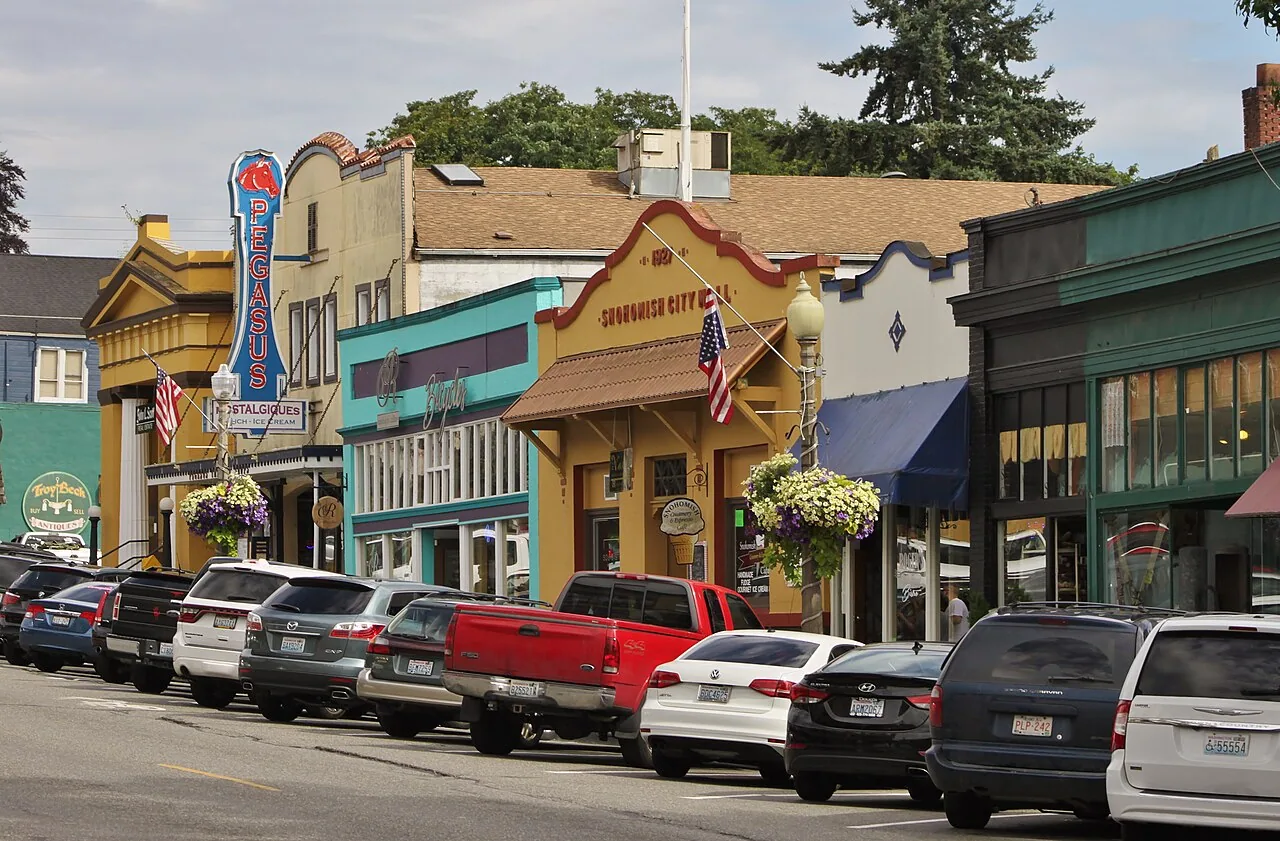
Plan for storefronts and active public spaces
A roof repair above a shop or restaurant can affect customers even when the work area is small. Confirm opening hours, delivery windows, outdoor activity, sidewalks, and whether an event or market date changes access. Identify where a lift can set up and how the crew will protect signs, doors, windows, and neighboring businesses. If multiple tenants occupy one building, choose a single person to approve access and communicate timing.
Historic Downtown is one of Snohomish's distinctive commercial districts. Its business mix ranges from retail and food service to professional and creative work. Confirm what is operating in the specific property rather than assume every building has the same layout. If work creates noise, odors, or temporary sidewalk restrictions, describe those effects and their duration in the work notice. A repair scope should show staging, pedestrian protection, and the daily closeout plan, not only the membrane material.
Connect the interior report to roof evidence
Ask for the date and room or suite where water appeared, whether it returned, recent weather, and any work above the stain. Map that report against roof seams, flashings, drains, curbs, pipes, parapets, and gutters. Water can move along framing or beneath roofing before becoming visible inside. The nearest roof detail is a lead to test, not an automatic cause. Photograph the interior and roof context, then mark test points on a plan.
Everett's annual precipitation normal is about 40.25 inches, and late fall through winter bring heavier rainfall. For a downtown building, the work plan should keep roof outlets open and secure any section exposed during repairs. Check drains and their surrounding flashing separately from the field membrane. If water or wet insulation is concealed, discuss testing or a selective opening before expanding the job. A leak investigation should identify what was confirmed and what remains a possibility, especially where access or tenant hours limit inspection.
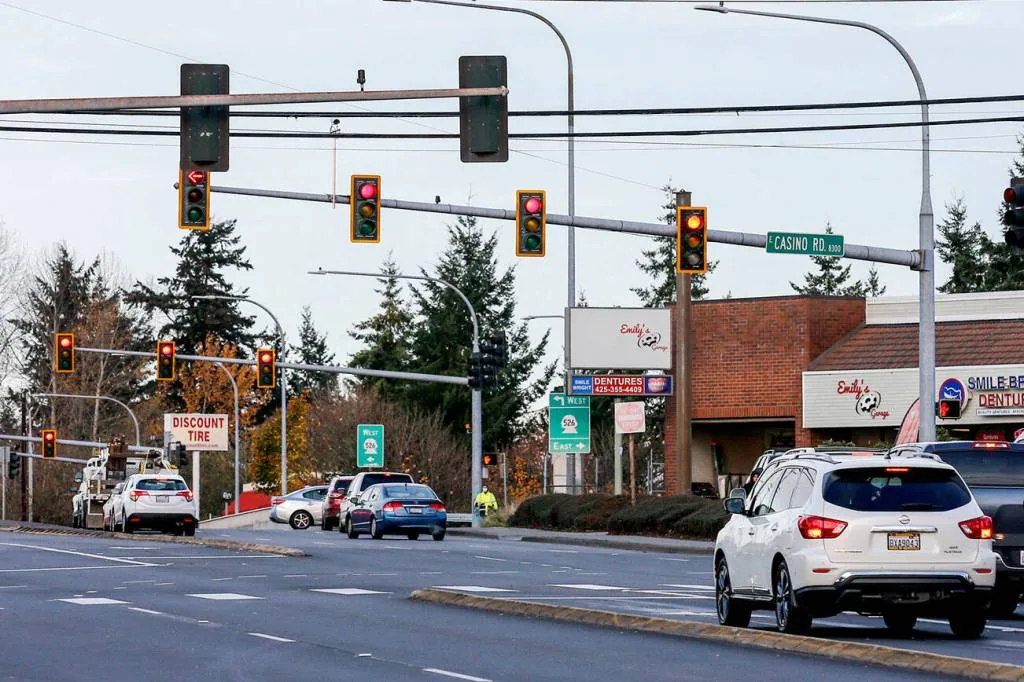
Inspect the building without assuming its construction
Downtown business use does not tell us whether a roof is single-ply, modified bitumen, built-up, metal, or another assembly. Check project records, warranty files, and visible field details. Record material only when supported by evidence. Inspect seams or welds, parapet transitions, flashing, penetrations, drains, edge metal, and prior patches. If an addition meets an older section, mark the transition and identify which side has the reported issue.
Retail signs, restaurant exhaust, and service equipment can create specific roof interfaces, but verify what is actually installed. Ask when the equipment was last serviced and whether another contractor modified the flashing. Look for punctures, lifted laps, loose metal, cracked sealant, corrosion, or obstruction at an outlet. A photo should show both the defect and enough nearby context to locate it. A condition report can record the verified assembly, test locations, and areas that could not be safely accessed.
Set a repair boundary that can be checked
A written repair should identify the location, extent, preparation, compatible materials, tie-in, and completion check. Include protection for occupied space, cleanup, and any access equipment. If concealed deck or insulation damage might change the scope, set an approval point and price method before opening the roof. A temporary cover is not the permanent repair; note its limits and the return date for follow-up.
When multiple leaks recur, compare isolated repair with restoration or replacement using the inspection evidence. For renewal, separate tear-off, deck repairs, thermal layers, membrane attachment, perimeter metal, drain work, disposal, and closeout documents into measurable lines. Permit review can affect the sequence, so identify design decisions and submittals before ordering material or opening occupied storefronts. A replacement assessment should use comparable quantities across bids. Where customer areas remain open, include daily protection and access controls in the schedule.
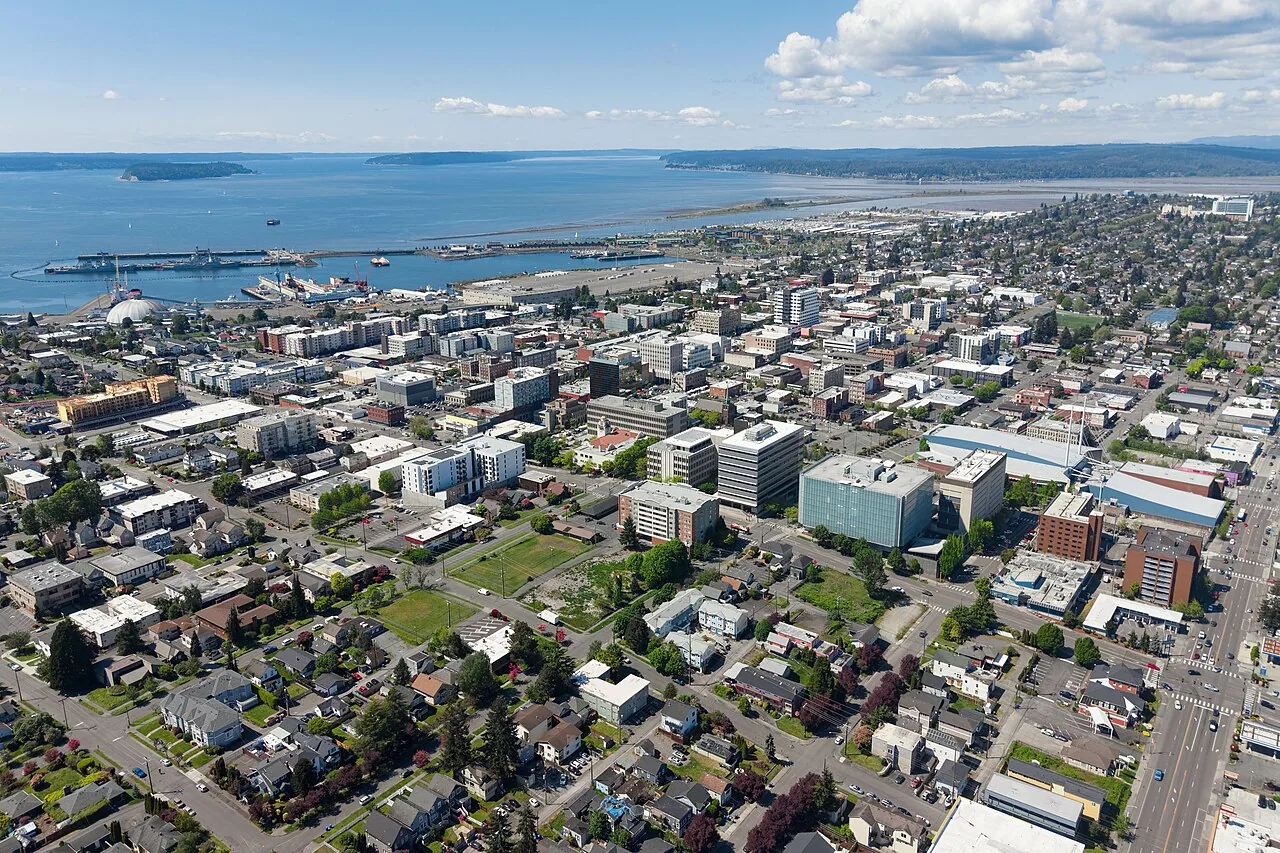
Schedule around market days and business hours
Downtown events and the Farmers Market connect local businesses with residents and visitors. Before setting a work date, ask the property contact about event calendars, vendor setup, deliveries, and high-traffic periods. Keep public routes clear and secure tools, debris, and materials. If a lane, sidewalk, or parking space must be temporarily restricted, confirm the approval and notice process in advance. An unplanned blockage can affect more than the building being repaired.
Work plans can divide the roof into sections that can be protected and closed during each shift. Identify who checks temporary cover if rain starts after the crew leaves. When a shop or restaurant depends on exhaust or ventilation, coordinate any shutdown and restart with the operator. If emergency access or delivery routes need to remain open, show them on the staging plan. A short-term response can protect a leak quickly, followed by permanent work during an approved window.
Keep the business owner and roof record in sync
Save dated photos, roof plans, inspection notes, repair materials, drain checks, and warranty requirements. Record which areas were accessed and which need a follow-up. Keep the owner or manager's contact information current, along with any access hours or security steps. If an event or tenant change affects future work, update the property file so the next crew has the right instructions.
A maintenance schedule should reflect roof condition, leak history, material requirements, and how much business interruption a failure could cause. Before the wet season, check drains and prior repairs. After a new exhaust, sign, or rooftop unit is installed, inspect its flashing and surrounding membrane. A maintenance visit can log those items. Property managers covering Pilchuck District or Midtown Snohomish can coordinate service dates while keeping each building's roof history separate.
Leave a clear account of what was done
At closeout, state what roof areas were inspected, what defects were found, what work was completed, and what remains open. Include photos and a marked plan. Separate confirmed conditions from possible causes. If access or business hours limited inspection, identify the missing area and how it can be checked later. Keep the invoice, material details, and any warranty document with the roof record.
Historic Downtown Snohomish brings together retail, dining, services, and public events. That context helps owners plan work windows and communication, while the building's actual roof conditions determine the scope. A useful report lets the business owner decide whether to authorize repair, schedule more testing, or budget replacement without interrupting public activity more than necessary. If the roof remains in service, make the next inspection date and responsible contact clear for the owner and business manager. Coordinate deliveries, pedestrian access, and any event-related parking restrictions with the property manager before staging a lift or roofing materials.
Commercial Roofing Questions
What businesses are in Historic Downtown Snohomish?
Historic Downtown Snohomish includes antiques, boutiques, restaurants, coffee shops, professional services, creative businesses, and local shops.
Can roof work be scheduled around the Farmers Market?
Yes. Confirm market dates, public access, delivery routes, and setup needs with the property and event contacts before scheduling.
Does a downtown address tell us which roof system is installed?
No. Verify the roof material and layers from project files and field inspection before choosing repair products.
What should be documented after a leak visit?
Record the interior report, tested roof details, photos, confirmed condition, access limits, completed work, and follow-up.
Questions Owners Ask
What businesses are in Historic Downtown Snohomish?
Historic Downtown Snohomish includes antiques, boutiques, restaurants, coffee shops, professional services, creative businesses, and local shops.
Can roof work be scheduled around the Farmers Market?
Yes. Confirm market dates, public access, delivery routes, and setup needs with the property and event contacts before scheduling.
Does a downtown address tell us which roof system is installed?
No. Verify the roof material and layers from project files and field inspection before choosing repair products.
What should be documented after a leak visit?
Record the interior report, tested roof details, photos, confirmed condition, access limits, completed work, and follow-up.
Plan roof work around the property and district
Request commercial roofing service in Historic Downtown Snohomish. We will document the roof, coordinate access, and define practical options.
Related Roofing Work
- Commercial Roof Inspection
- Commercial Roof Repair
- Commercial Roof Leak Repair
- Commercial Roof Condition Reports
- Commercial Roof Replacement
- Emergency Commercial Roof Repair
- Preventive Roof Maintenance
- Pilchuck District, Snohomish
Browse every page in Service Areas, or request a roof assessment and we will walk the roof with you.
Questions about this roof? Call 555-555-5555.