Commercial Roof Repair, Replacement & Maintenance
Commercial Roofing in Evergreen Way and Madison Street, Everett, WA
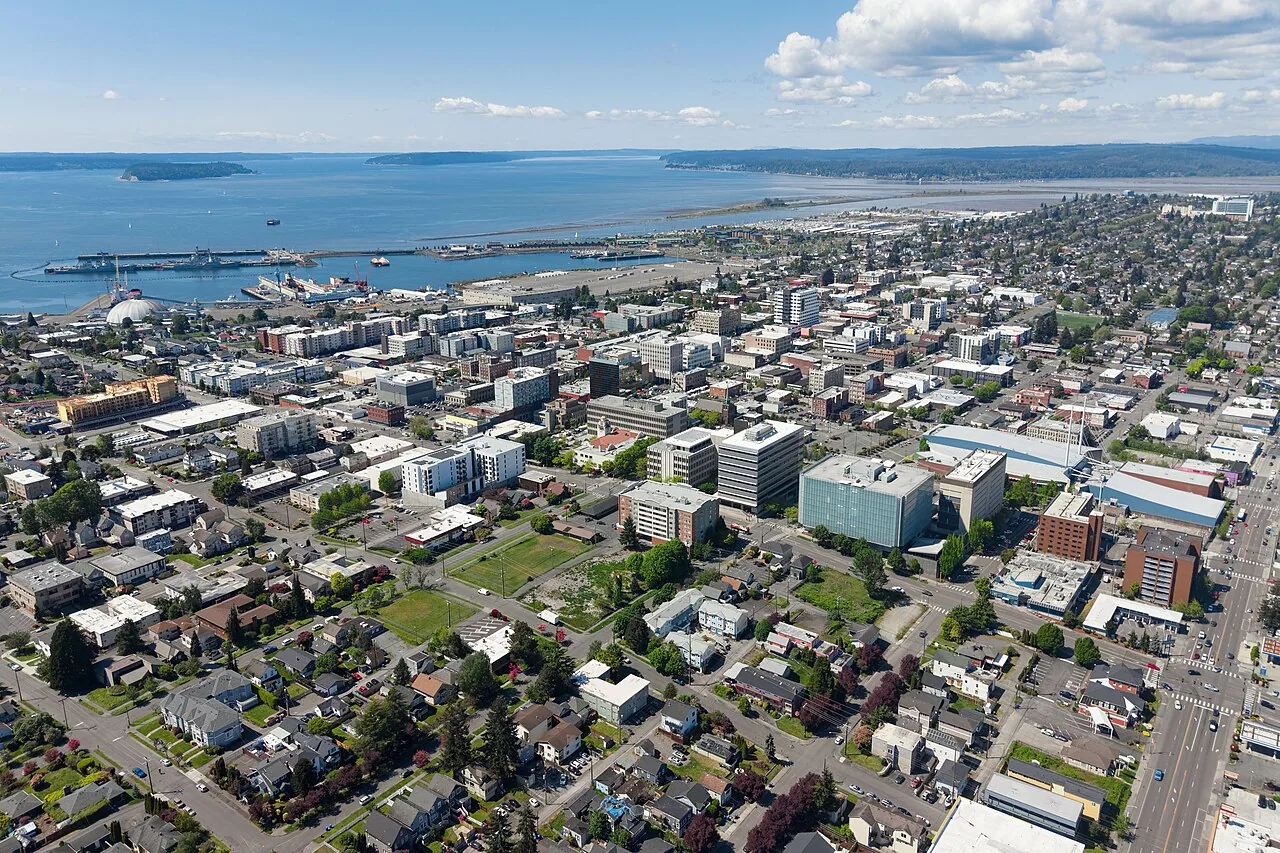
Evergreen Way and Madison Street form a neighborhood node serving nearby residents with businesses and local services. The corridor connects the center with other commercial areas and supports future investment. Each property still needs an on-site roof inspection to identify the system and condition. We verify the building, access, reported issue, and prior repairs before giving the owner options. A roof inspection can distinguish a localized defect from a broader assembly concern in this part of Everett.
Confirm actual use and access before setting a work window
A neighborhood node can serve more than one nearby need, but building uses vary. Ask the owner or manager to confirm what is operating at the property, when deliveries arrive, which entrances must remain open, and whether any rooms below the roof have sensitive equipment or operations. Identify who can release the roof hatch or coordinate a shutdown. If the crew needs a lift or temporary material area, confirm where that can be placed without blocking a service route.
Evergreen Way is one of Everett's planned growth corridors. For current work, confirm occupancy, access, and roof assembly with the property contact before setting the project scope. It does make practical planning useful: owners may coordinate separate jobs along the corridor while keeping a distinct file for each roof. Give occupants a simple notice when noise, odors, or restricted access may occur. Record any access constraints in the estimate so the property team can see their effect on sequencing and cost.
Record the symptom before tracing its path
For water entry, capture the time, room, ceiling or wall location, recurrence, and recent weather. Ask whether plumbing, HVAC, electrical, or other rooftop work preceded the report. At the roof, compare the interior location with drains, scuppers, membrane seams, curb corners, wall flashing, and penetrations. Water can travel along a deck or insulation before surfacing indoors, so a stain is a clue, not a diagnosis. Label photographs and use a simple roof diagram to mark each condition checked.
Everett averages about 40.25 inches of annual precipitation, with its wettest monthly totals in late fall and winter. These conditions support checking drainage and planning daily dry-in; they do not prove a leak at Madison Street. Inspect drains, clamping rings, overflow paths, and surrounding membrane as separate details. If a suspected wet zone extends beyond the visible report, explain whether more testing or a controlled opening is needed. A leak investigation should identify confirmed findings, probable paths, and unanswered questions separately.
Verify membrane and transitions on the actual building
Identify the membrane, roof layers, attachment, and repair materials using project records and field evidence. Look for open seams or welds, punctures, loose flashing, aged sealant, blistering, corrosion, or displaced edge metal. Check the transitions where roof levels meet and at curbs, walls, and drains. If sections were installed at different times, note those phase boundaries. Do not infer a system from color or a manufacturer's name in a partial document.
Rooftop equipment can create separate details and access limits. Confirm whether supports are secure and whether condensate or other discharge is routed correctly. Ask when the unit or pipe was last serviced and whether the contractor's scope is available. If a repair must remove layers to reach sound material, define the boundary and authorization step. A system review or flashing check should address the part of the assembly supported by evidence. A roof condition report can preserve the observations for a later budget discussion.
Make the repair measurable and reviewable
A clear repair estimate identifies location, dimensions or extent, preparation, compatible product, attachment or weld method, flashing, protection below, and completion check. If a patch is temporary, label it and state what permanent work remains. For a larger defect, include the cost process if removal reveals wet insulation or damaged deck. Owners should know who can authorize added work and what documentation the crew will provide before closing an area.
If failures are recurring or distributed, compare repair with restoration or replacement. Show the basis for that comparison: leak history, test results, moisture extent, membrane condition, edge details, and remaining access limitations. Replacement proposals should include tear-off, insulation, cover board, attachment, edge metal, drains, penetrations, disposal, and warranty documents. Washington building and energy standards apply to project design and permits. Verify requirements for the actual scope before the work is priced. A replacement estimate should use the same quantities and assumptions as competing bids.
Plan for rain, cold surfaces, and daily closeout
Rain can arrive during a work shift, so identify how the crew will protect an open area and where runoff could travel. Keep roof outlets clear as materials move. Check substrate conditions before applying adhesive or coating and follow product temperature and moisture limits. A daily closeout should confirm that temporary protection is secured, interior areas are dry, and the building contact knows which section remains open or under observation.
Everett's long-term climate record includes roughly 51 days per year with freezing minimum temperatures. That is seasonal context, not a workday forecast. A shaded deck may be colder or wetter than nearby surfaces, so verify the actual area before installing material. If a service interruption limits the available work window, reserve a weather backup date. An emergency repair can stabilize an active exposure, followed by a permanent installation under suitable conditions and with a defined test or inspection.
Schedule repeat checks from observed conditions
Use the inspection record to set follow-up. Note which seam was tested, which drain was cleared, which repair was made, and whether a concealed area still needs review. If a roof section was not reached, put it on the next access plan rather than assuming it is unchanged. Keep closeout photographs and the product record together. For service calls, ask the caller to reference the roof-plan location so repeat issues can be compared.
Everett plans for investment along Evergreen Way and other centers, but that growth policy is not a maintenance schedule for an individual owner. Choose visit timing based on roof condition, manufacturer requirements, lease duties, and the cost of interruption. A maintenance plan can include drain and edge checks before the wet season. Owners also serving the 50th Street node or Everett Mall Area can coordinate calendar windows while keeping each building's inspection results separate.
Summarize options without overstating certainty
At closeout, tell the owner what was inspected, what was tested, what was repaired, and what remains uncertain. Use clear observations with photos and mapped locations. If no defect was confirmed, state which areas were reached and what condition could justify a return. If additional removal may expand the work, explain how the owner will be notified and how the change will be measured.
Evergreen Way and Madison Street serves as a local center in the city's long-range framework. That is useful context for area planning, while the property-specific report controls the roofing decision. Distinguish urgent stabilization from planned renewal and identify any maintenance action the owner needs to assign. Keep the report, scope, and roof plan in a shared property record so a future manager can understand the decision. If the owner has multiple roofs along the corridor, compare them by condition and operating risk, not by proximity alone.
Commercial Roofing Questions
What is the Evergreen Way and Madison Street node?
Evergreen Way and Madison Street is a neighborhood node serving nearby areas with business and services along a planned growth corridor.
Can the neighborhood-node designation identify a roof problem?
No. The roof condition must be confirmed through records, access, and an inspection of the specific building.
What should be recorded after a leak inspection?
Keep the reported interior location, roof-plan marks, photos, test results, confirmed defects, limits, and follow-up steps.
How do I compare a repair with replacement?
Compare inspection evidence, repair history, moisture findings, complete assembly costs, access requirements, and concealed-condition assumptions.
Questions Owners Ask
What is the Evergreen Way and Madison Street node?
Evergreen Way and Madison Street is a neighborhood node serving nearby areas with business and services along a planned growth corridor.
Can the neighborhood-node designation identify a roof problem?
No. The roof condition must be confirmed through records, access, and an inspection of the specific building.
What should be recorded after a leak inspection?
Keep the reported interior location, roof-plan marks, photos, test results, confirmed defects, limits, and follow-up steps.
How do I compare a repair with replacement?
Compare inspection evidence, repair history, moisture findings, complete assembly costs, access requirements, and concealed-condition assumptions.
Document the roof before choosing a scope
Request an evaluation near Evergreen Way and Madison Street. We will record the assembly, access limits, water paths, and repair options.
Related Roofing Work
- Commercial Roof Inspection
- Commercial Roof Leak Repair
- EPDM Roofing
- Commercial Roof Flashing Failure Repair
- Commercial Roof Condition Reports
- Commercial Roof Replacement
- Preventive Roof Maintenance
- Evergreen Way and 50th Street
Browse every page in Service Areas, or request a roof assessment and we will walk the roof with you.
Questions about this roof? Call 555-555-5555.