

Commercial Roof Repair, Replacement & Maintenance
Johns Manville Commercial Roofing Systems in Everett, WA
An older roof file may say “JM system” without naming whether the field is TPO, PVC, EPDM, SBS, APP, or built-up roofing. We verify the surface, seams, flashings, and visible assembly before comparing repair or replacement options. Johns Manville publishes commercial single-ply and bituminous systems, along with insulation, cover boards, and accessories. Everett's industrial stock includes Boeing assembly, port facilities, BNSF rail, and warehousing, while Metro Everett contains civic and commercial properties. Those settings affect access and building use, not a system choice by themselves. A roof inspection establishes the installed condition before a system comparison.
Compare single-ply systems by roof exposure
Johns Manville offers TPO, PVC, and EPDM systems with different seam and detail methods. TPO and PVC seams are heat welded; EPDM commonly uses tape or adhesive at field laps and flashing. The repair sequence therefore depends on confirmed membrane identity and surface condition. A brand reference on a proposal does not tell us whether a roof has been overlaid, patched, or changed by later mechanical work.
We inspect the sheet, lap, edge, and penetration details and compare them with closeout records. If chemical, grease, or exhaust exposure matters, identify the process and its location before comparing membrane options. A TPO evaluation and a PVC review should each match the building's actual service environment. At Paine Field, aviation and maintenance employers are part of Everett's employment mix; that context does not identify chemicals or roof use at a particular tenant building.
Evaluate multi-ply and modified-bitumen assemblies
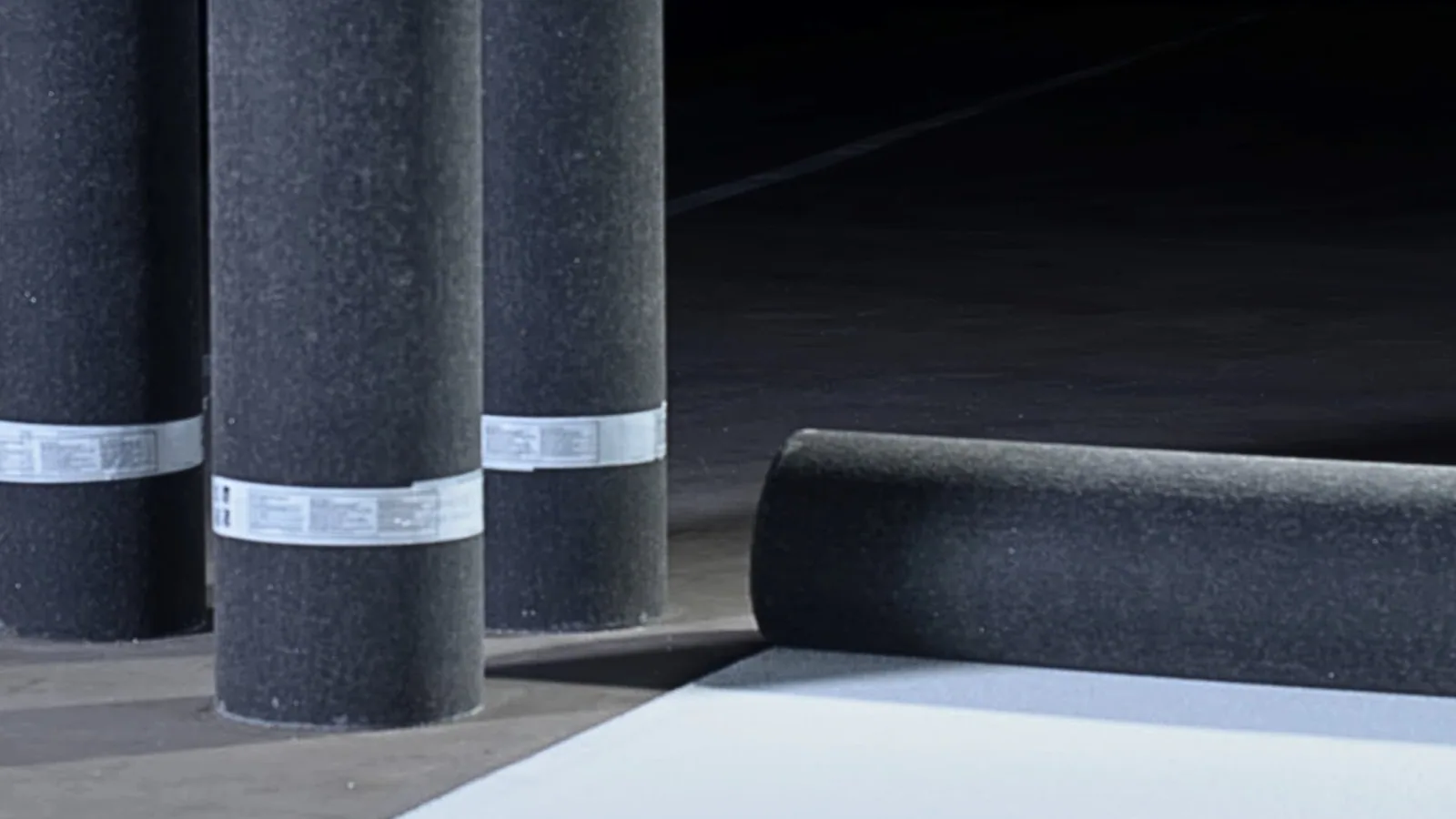
JM's commercial product range also includes built-up and SBS or APP modified-bitumen systems. These roof types use asphaltic plies and surfacing or cap sheets, with details that differ from a single-ply membrane. We look for the number and condition of visible layers, splits, blisters, exposed reinforcement, and prior coatings. A surface coating can hide the original assembly, so sampling may be needed before selecting a repair or recover.
Everett's wet season brings higher monthly precipitation in late fall and winter. On an asphaltic roof, open laps or exposed reinforcement can allow repeated wetting, Inspect the property’s membrane, transitions, and drainage before defining repair work. A modified-bitumen review can map the cap sheet and flashing; flashing inspection can identify a separate perimeter or curb opening. We define the affected area from visible and tested evidence.
Check insulation and cover-board transitions
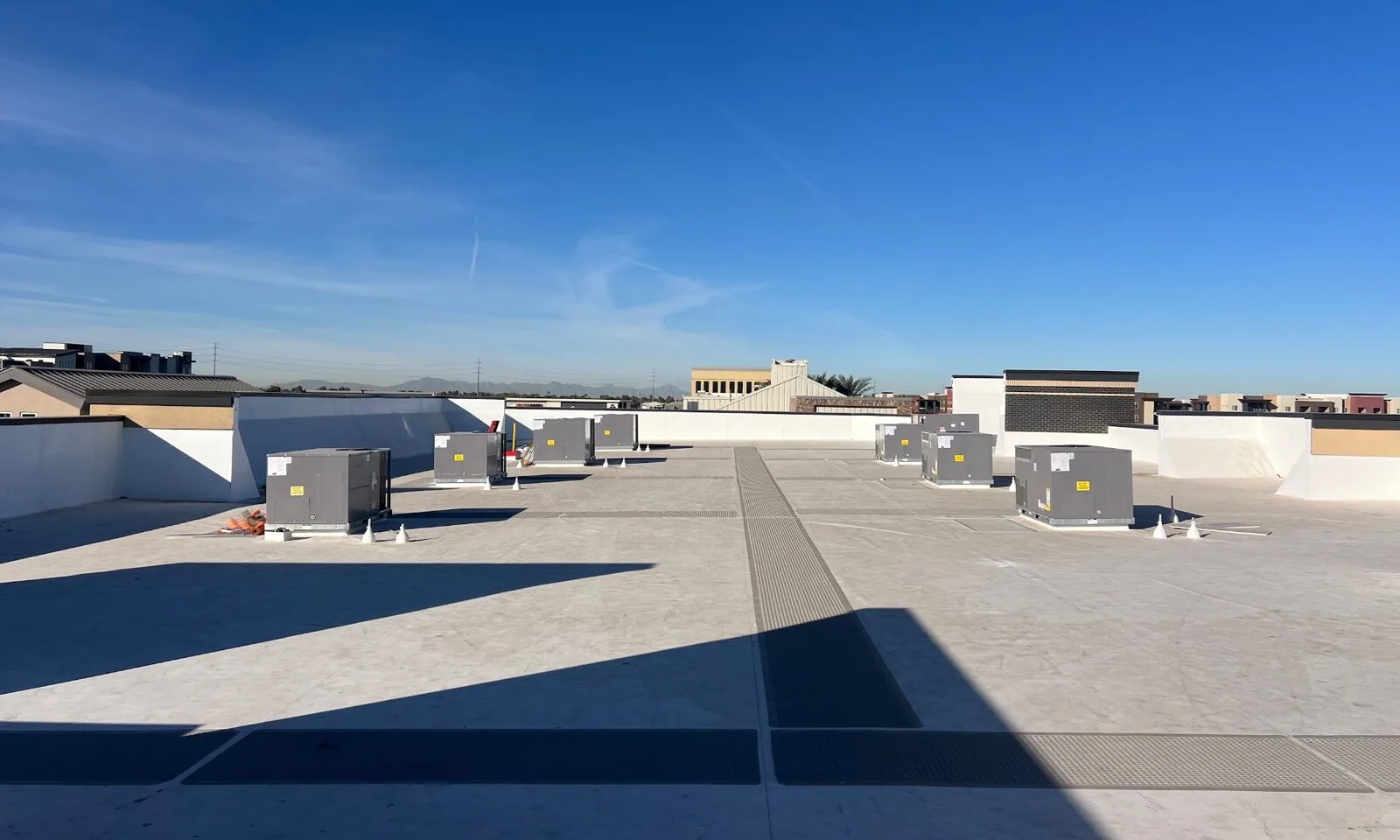
A membrane is only one part of an assembly. Insulation type and thickness, cover board, vapor control, deck, and attachment all influence repair and replacement. We record visible edges and transitions, review drawings, and identify test openings needed to confirm concealed materials. If the roof includes more than one installation phase, keep each build-up and tie-in separate on the plan.
Moisture testing is useful when the result changes the quantity of removal or the selected assembly. An infrared scan may help target samples under appropriate conditions but does not confirm wet insulation alone. A moisture survey can focus the test plan; direct sampling provides evidence at the cut location. When the deck or cover board is damaged, state its extent and who verifies the repair before new membrane covers it.
Set fastening and adhesive details from the deck
JM publishes systems with adhered and mechanically attached configurations, along with detailed design and installation resources. Attachment depends on the deck, assembly, wind design, and approved fastening pattern. An existing roof may conceal fastener spacing or deck condition; those details should be verified before using them as the basis for a recover. We inspect perimeter and corner conditions as well as the field, since a secure field does not resolve a loose edge.
At industrial sites near the Everett Industrial Waterfront, material staging, freight routes, and equipment access can shape the schedule. The owner supplies site rules and operating constraints. A replacement scope can compare tear-off and recover options; drain review can identify maintenance or transition work. Each scope needs a daily closure plan so exposed insulation and deck do not remain open after the shift.
Keep repair and warranty records system-specific
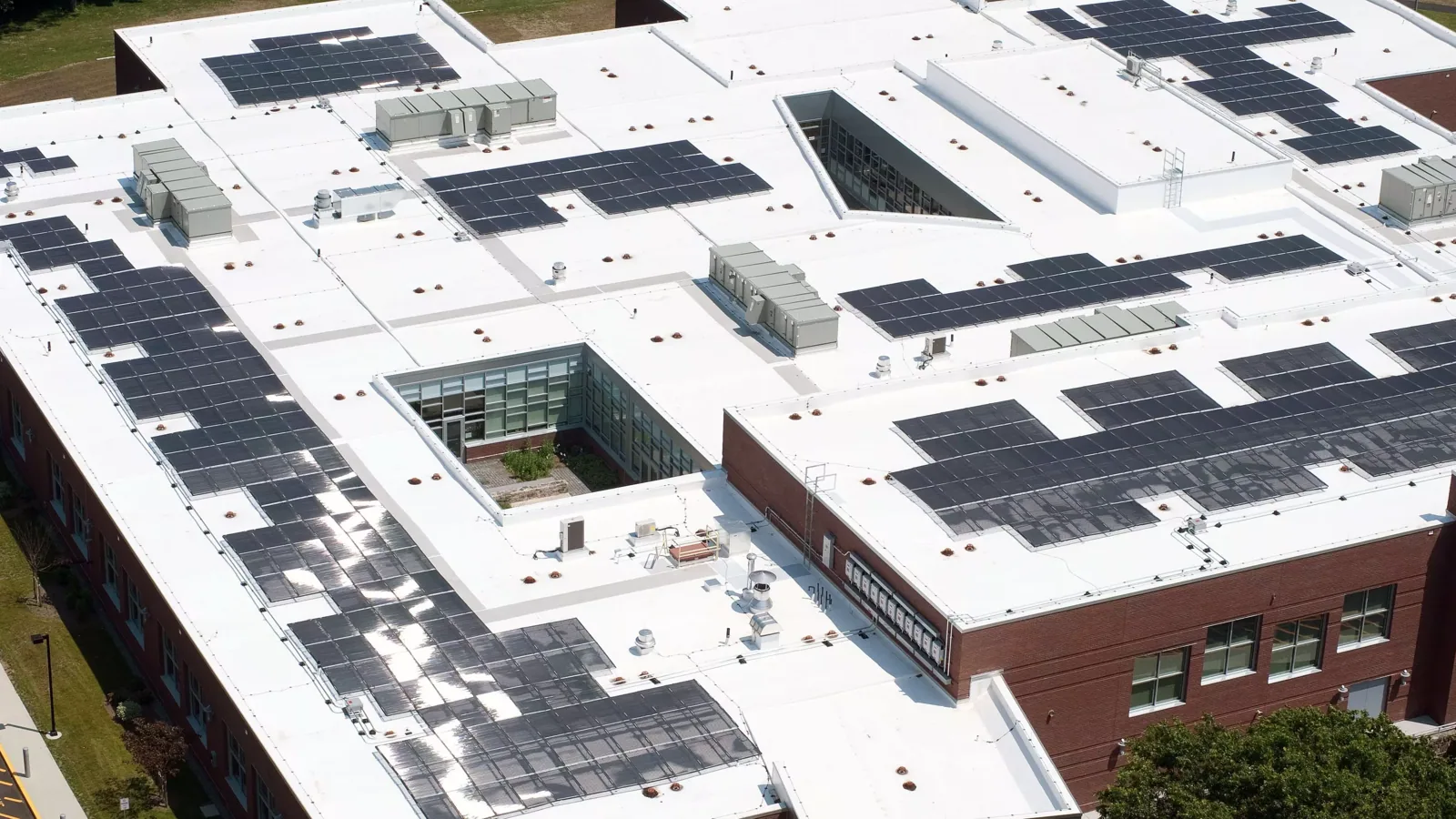
For a repair, record the membrane type, preparation, material, photos, and roof zone. Keep a temporary patch separate from a completed permanent detail. If a leak recurs, compare its location with the previous work and determine whether it is the same seam, a nearby transition, or a different water path. Do not use an unidentified sealant simply because it is available on site.
Warranty terms vary by system and project requirements. Confirm current documents, approved components, inspections, and installer conditions for the exact assembly. Warranty management can preserve records; property-management teams can track follow-up work orders. Carlisle and GAF offer their own system families, so Carlisle SynTec and GAF comparisons should use their own current specifications rather than assuming identical terms.
Plan the work around Everett weather and access
Everett has a wet maritime winter and occasional overnight freezes. Plan a protected closure for each shift, then confirm the deck and membrane are within the installation limits before proceeding. We check the actual surface and product installation requirements at the time of work; a regional average cannot show whether one roof is ready for an adhesive or coating.
A property in Everett Industrial Waterfront may have different delivery controls than an office in Metro Everett or a facility near the Paine Field and Boeing Center. Those districts are broad service areas, not single buildings. Site staff define escorts, shutdowns, occupied zones, and staging limits. We report those constraints separately from membrane condition so a project manager can see whether they affect cost or sequence.
Document the installed assembly for later service
Keep product submittals, system details, insulation records, attachment notes, seam tests, photos, field changes, and closeout inspections with the roof plan. Identify the exact membrane and system family installed, not only the manufacturer. If samples confirm wet insulation or a deck issue, keep the sample location and result. This record helps future technicians select a compatible repair and supports warranty or capital review. Note the date and roof section for each product change, because one project may replace only an addition or equipment zone. Keep old and new materials visible in the plan where they meet, and identify who approved any field substitution. That chronology helps distinguish the original assembly from a later repair when evaluating a recurring leak.
Provide plans, prior repair invoices, leak dates, mechanical changes, and access rules before a visit. We will identify the roof layers that can be verified, note uncertainty, and compare JM system options only where they match the building's needs. The Port, Paine Field, and Metro Everett reflect the range of local property uses, but the field condition determines repair and assembly. A clear closeout saves the owner from repeating basic identification work at the next leak.
Commercial Roofing Questions
Which Johns Manville roof systems are used commercially?
JM publishes TPO, PVC, EPDM, SBS, APP, and built-up systems, along with insulation and accessories. Confirm the installed assembly on site.
Can a JM product name identify my entire roof build-up?
No. Verify the membrane, insulation, cover board, deck, and attachment from records and field conditions.
How are EPDM and TPO seam repairs different?
TPO is heat welded; EPDM laps typically use compatible tape or adhesive. Identify the membrane before selecting a repair.
Can a coating hide the original roof system?
Yes. A coating may obscure material layers, so records or a test opening may be needed.
What closeout records should be saved?
Keep submittals, details, test results, photos, material identification, field changes, and warranty documents for the installed assembly.
Questions Owners Ask
Which Johns Manville roof systems are used commercially?
JM publishes TPO, PVC, EPDM, SBS, APP, and built-up systems, along with insulation and accessories. Confirm the installed assembly on site.
Can a JM product name identify my entire roof build-up?
No. Verify the membrane, insulation, cover board, deck, and attachment from records and field conditions.
How are EPDM and TPO seam repairs different?
TPO is heat welded; EPDM laps typically use compatible tape or adhesive. Identify the membrane before selecting a repair.
Can a coating hide the original roof system?
Yes. A coating may obscure material layers, so records or a test opening may be needed.
What closeout records should be saved?
Keep submittals, details, test results, photos, material identification, field changes, and warranty documents for the installed assembly.
Inspect the installed system before selecting a JM option
Schedule an Everett roof evaluation. We will identify the assembly, map current conditions, and compare repair or replacement scope against the building.
Related Roofing Work
- Commercial Roof Inspection
- EPDM Roofing
- TPO Roofing
- Commercial Roof Replacement
- Commercial Roof Warranty Management
- Commercial Roofing for Property Management Companies
- Carlisle SynTec Commercial Roofing Systems
- GAF Commercial Roofing Systems
Browse every page in Roofing Manufacturers, or request a roof assessment and we will walk the roof with you.
Questions about this roof? Call 555-555-5555.