
Commercial Roof Repair, Replacement & Maintenance
Commercial Roofing in Mill Creek, WA
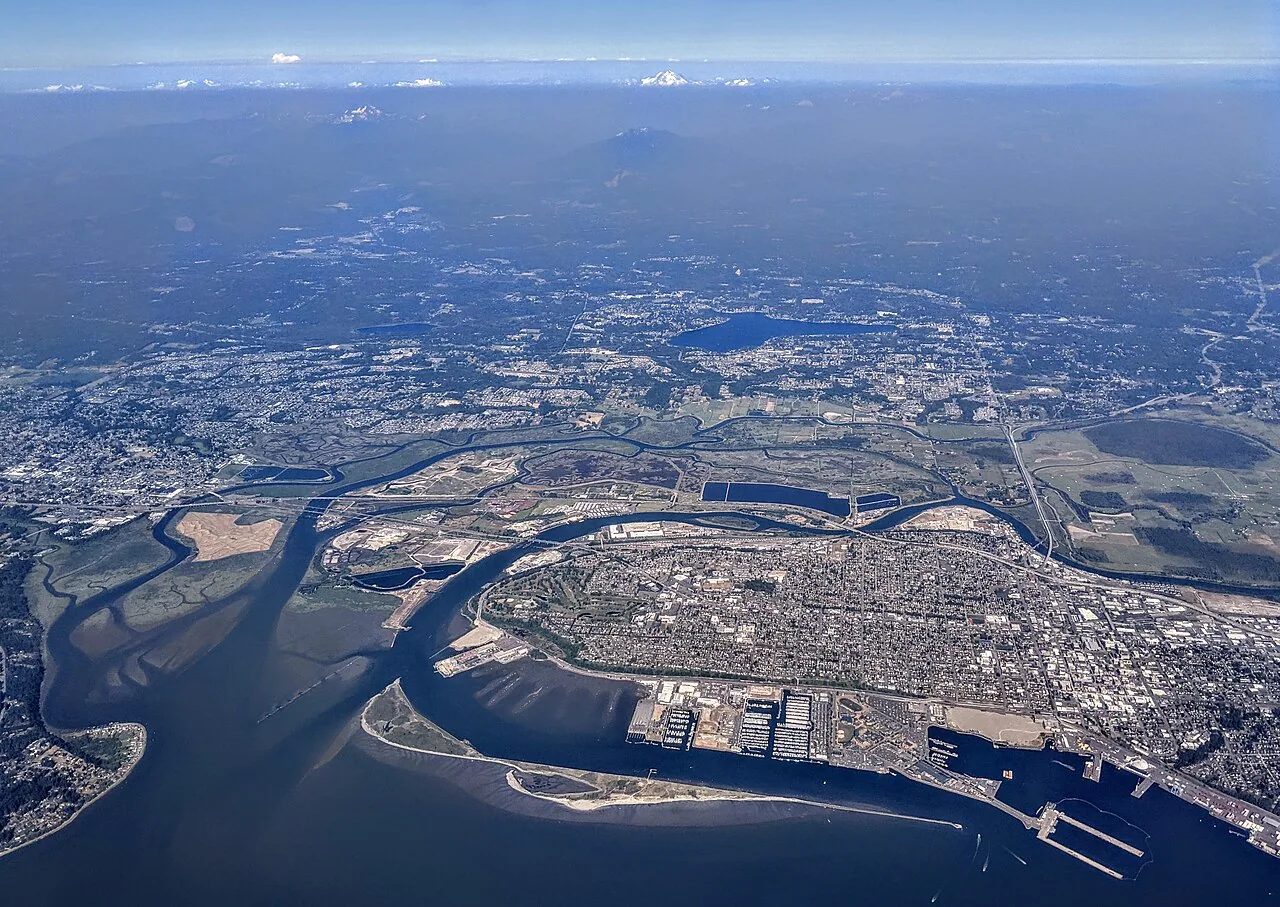
Mill Creek's economic-development program works with businesses and development partners on retention, attraction, and expansion. The Mill Creek Town Center Business Association is a local partner, and city departments provide permitting, development services, and economic-development resources. That community and business context supports a broad municipal service area; each roof still needs a property-specific assessment. We verify access, system, repairs, and reported conditions before recommending work. A commercial roof inspection can give a Mill Creek owner an actionable condition record.
Coordinate with the owner and development contact
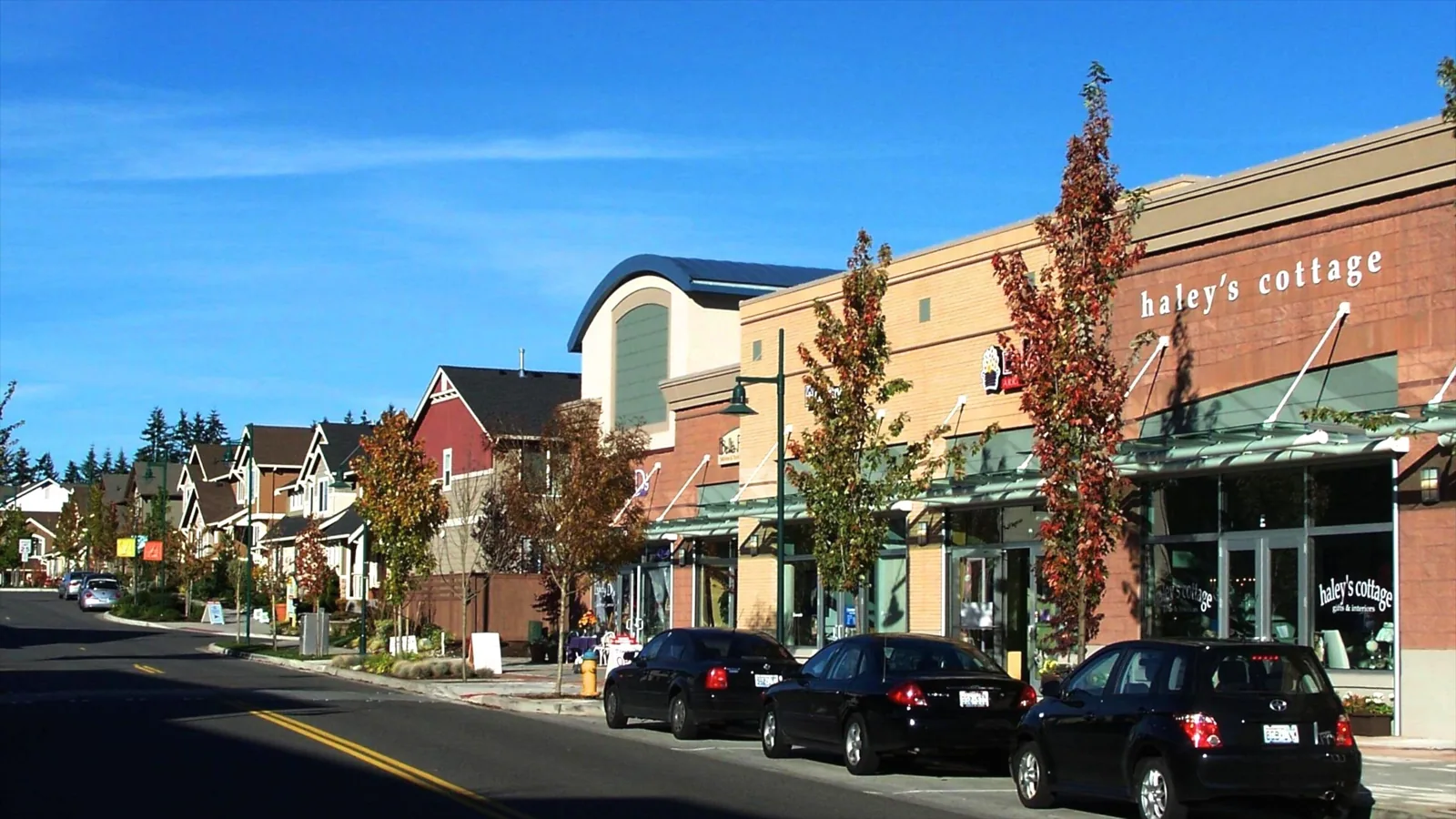
Mill Creek has city resources for business permitting and development services. Before roofing work, confirm with the owner whether the project requires a permit, review, or coordination with another contractor. The city program also serves business retention and expansion, which can involve changes to equipment or building use. Ask whether a planned tenant improvement, mechanical replacement, or addition could affect the roof scope. Set roles early for roof access, penetration flashing, temporary protection, and final inspection.
The Mill Creek Town Center Business Association is identified by the city as a local economic-development partner. That gives a useful commercial-area reference, but it does not identify a particular building's roof or ownership. Verify the property and its operating hours. If there are tenants, identify who can approve shutdowns and communicate staging or access changes. Keep the estimate specific to the building and note any permit or scheduling assumption that needs confirmation. A repair scope can then be reviewed alongside the owner's business and development schedule.
Record the assembly before selecting a method
Ask for the roof plan, previous inspection reports, product or warranty files, and repair invoices. Compare records with visible materials. Note membrane or roof type only where evidence supports it, then identify attachment, insulation, cover board, flashing, drains, edges, and roof phases if they can be confirmed. On a multi-level property, mark lower roofs and canopies separately so water paths and work boundaries are clear.
Look for seam separation, punctures, loose flashing, displaced metal, deteriorated sealant, clogged outlets, and signs of movement at equipment. Photograph defects with a reference that helps another person return to the same location. If a roof area is unsafe or inaccessible, state that in the report. Where concealed moisture is possible, define what test or opening would answer the question. A condition report can make the inspection useful for both facilities staff and a development contact.
Map the reported water and confirm likely paths
For leak calls, gather the date, interior room or suite, recurrence, weather, and any recent work above. Trace the report to roof details: drains, seams, curbs, pipes, wall joints, edges, and equipment supports. Water may travel before it appears inside, so the stain location is not always the entry point. Mark the affected zone, test accessible details, and note what remains unverified. If water appears only under certain conditions, ask the building contact to record those conditions for a return visit.
Everett's climate brings about 40.25 inches of precipitation each year, with wetter winter months. Protect open sections at day end and keep drainage paths accessible during work. The exact roof surface and forecast determine whether a product can be installed, so check both before applying materials. If moisture could extend under the membrane, discuss testing before broad removal. A leak assessment should separate observations from a hypothesis and give the owner a clear follow-up option.
Set cost and timing assumptions in the written proposal
Price depends on repair area, access, preparation, material compatibility, flashing or drain work, protection, and any concealed conditions. A clear proposal states how added wet insulation or deck repair will be measured and who can authorize it. Include work hours, staging, cleanup, and what happens if the expected surface is not present. If a temporary measure is installed, set a date for permanent work and identify the protection needed until then.
For a larger renewal, compare tear-off, substrate repairs, insulation, cover board, membrane, attachment, edge metal, penetrations, drainage, disposal, and warranty documents. Confirm city and state project review needs with the owner or design team. The city's permitting and development services can help identify process requirements, while technical design still depends on the building. A replacement proposal should use consistent quantities across bidders. If a project includes new equipment or an addition, define which contractor handles each roof transition before work begins.
Prepare the roof for Everett-area wet seasons
Schedule roof work with a plan for rain, surface moisture, and daily secure closure. Name the person who checks the temporary cover and confirm how the building will be protected if weather shifts. Keep roof drains and overflow routes clear. Follow the product's requirements for substrate, temperature, and cure. A shared work calendar should also account for tenant activity, deliveries, lift access, and any permit inspections.
Freezing-minimum temperatures occur on about 51 days a year in Everett. Check the actual surface on the workday rather than relying on the annual count. Cold or shaded areas may need additional preparation time. If Mill Creek maintenance staff schedule more than one property, plan contingencies for weather and ensure each crew has its own access authorization. An inspection and maintenance plan can include a wet-season drain check and follow-up for prior repairs.
Keep business, permit, and roof records connected
After the visit, keep a roof plan, photos, materials, test points, repair locations, inspection limitations, and the next action together. Save permit applications or approvals with the scope where relevant. Record building contacts and any operating or access instructions that must be followed on the next visit. If a tenant improvement changes rooftop equipment, retain the contractor's closeout details and inspect the flashing after installation.
Mill Creek's economic-development resources support business retention and expansion. Roof records help owners manage building work as those needs change, but the maintenance recommendation should come from the installed assembly and observed condition. Set follow-up timing based on roof age, warranty terms, prior leaks, and the consequence of downtime. Owners coordinating service in Lynnwood or Silver Lake can align appointments while preserving each city's permits, contacts, and roof histories.
Give the property team a clear decision path
A final report should state what was inspected, what was found, what was repaired, and what remains uncertain. Include marked locations, dated photos, materials used, test results, and access limits. Separate temporary stabilization from permanent repair. If a project needs more information, explain whether it is a permit review, material identification, moisture test, or contractor coordination item.
The city's business services and development resources can help property teams coordinate activity in Mill Creek. The Town Center Business Association is one local partner identified by the city. Use the local business context to plan access, then base each roof decision on that property's inspection findings. A clear record lets an owner arrange follow-up with the right contact and budget without repeating discovery work. Keep property-specific conclusions separate from general economic or development plans and update the file when the building or roof changes.
Commercial Roofing Questions
What commercial areas are included in Mill Creek?
Mill Creek is the municipality, and Town Center Business Association is a local economic-development partner.
Does the city provide roofing permits?
The city provides business permitting and development services. Confirm the applicable requirements for the specific roofing project with Mill Creek and the project team.
Can a contractor identify roof condition from prior invoices?
Invoices help establish history, but the current assembly and defects require field inspection and comparison with project records.
What should a property manager prepare for a roof visit?
Gather plans, leak history, prior repairs, warranty information, access rules, tenant schedules, and details of recent equipment changes.
Questions Owners Ask
What commercial areas are included in Mill Creek?
Mill Creek is the municipality, and Town Center Business Association is a local economic-development partner.
Does the city provide roofing permits?
The city provides business permitting and development services. Confirm the applicable requirements for the specific roofing project with Mill Creek and the project team.
Can a contractor identify roof condition from prior invoices?
Invoices help establish history, but the current assembly and defects require field inspection and comparison with project records.
What should a property manager prepare for a roof visit?
Gather plans, leak history, prior repairs, warranty information, access rules, tenant schedules, and details of recent equipment changes.
Plan roof work with the property and city process in view
Request commercial roofing service in Mill Creek. We will assess the roof, document access and condition, and define next steps for the owner.
Related Roofing Work
- Commercial Roof Inspection
- Commercial Roof Repair
- Commercial Roof Condition Reports
- Commercial Roof Leak Repair
- Commercial Roof Replacement
- Preventive Roof Maintenance
- Lynnwood
- Silver Lake
Browse every page in Service Areas, or request a roof assessment and we will walk the roof with you.
Questions about this roof? Call 555-555-5555.